Travel · October 2026 · Nevada City, CA
A Gold Country Weekend in Nevada City: Historic Mines, a Covered Bridge, and Small-Town Charm
Three days of gold mines, a covered bridge, and the Chinese pioneers of the Sierra foothills.
Some trips are about the food or the scenery. This one was about history, and somewhere along the way I found a little of my own in it.
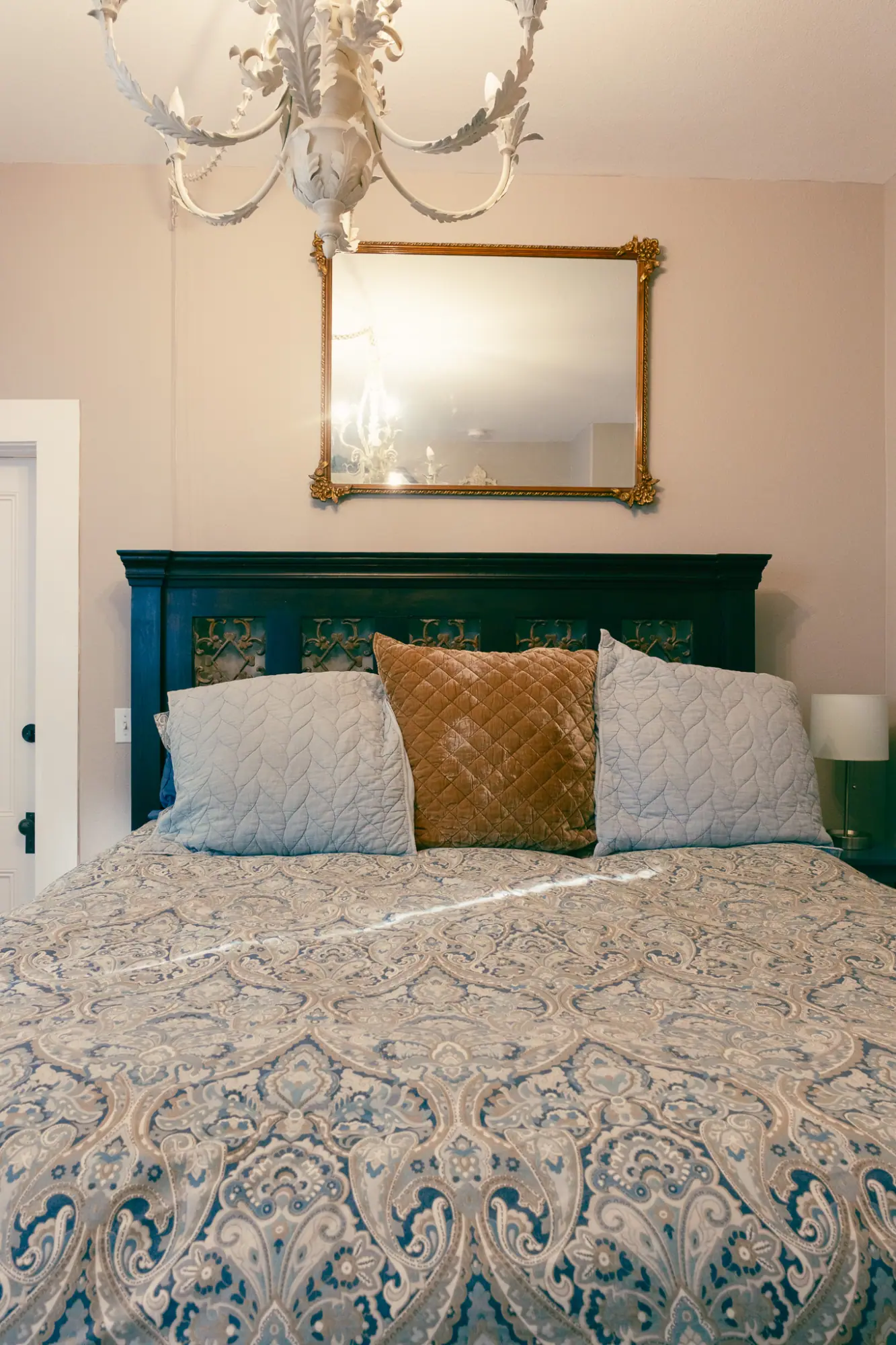
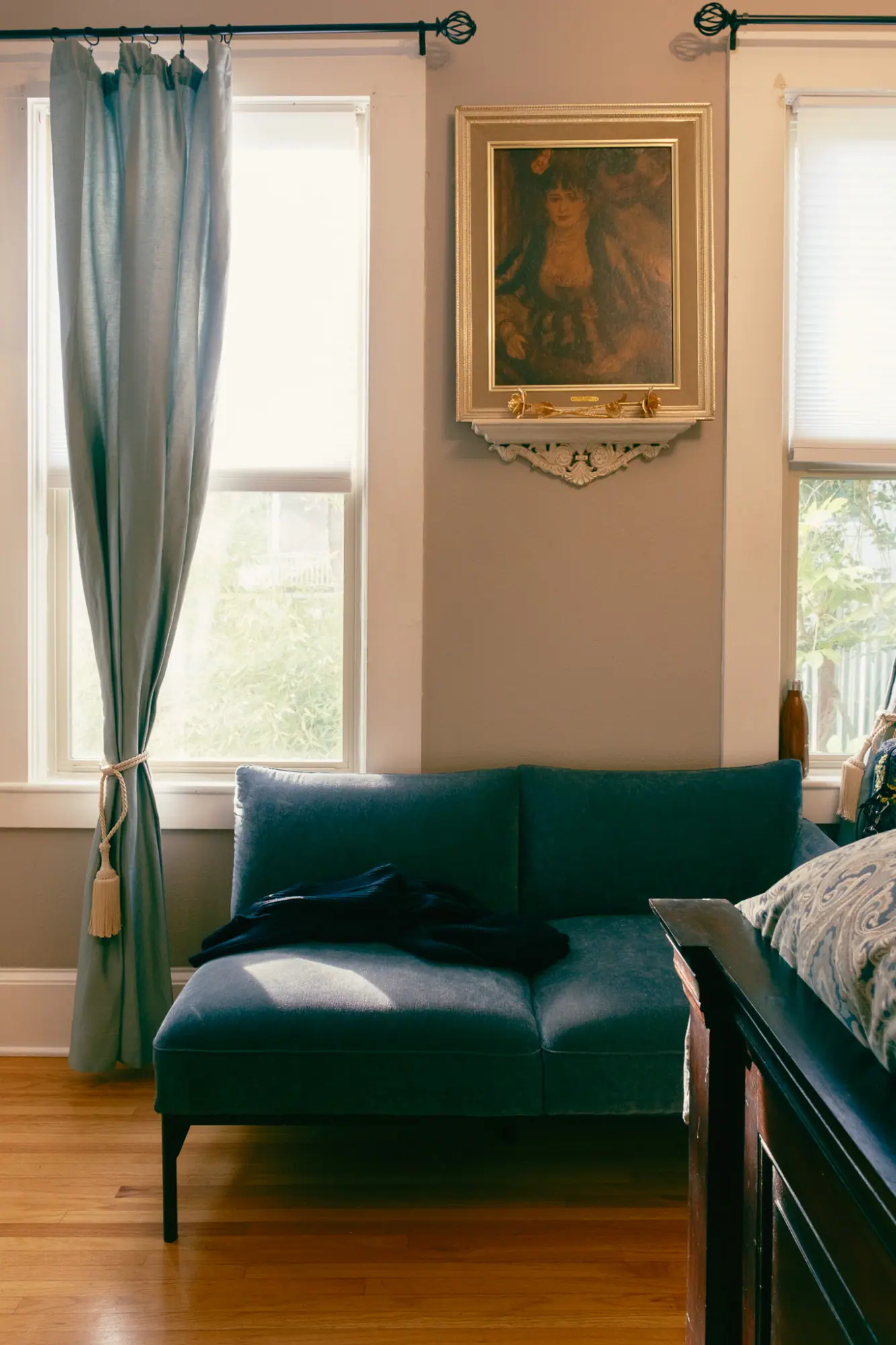
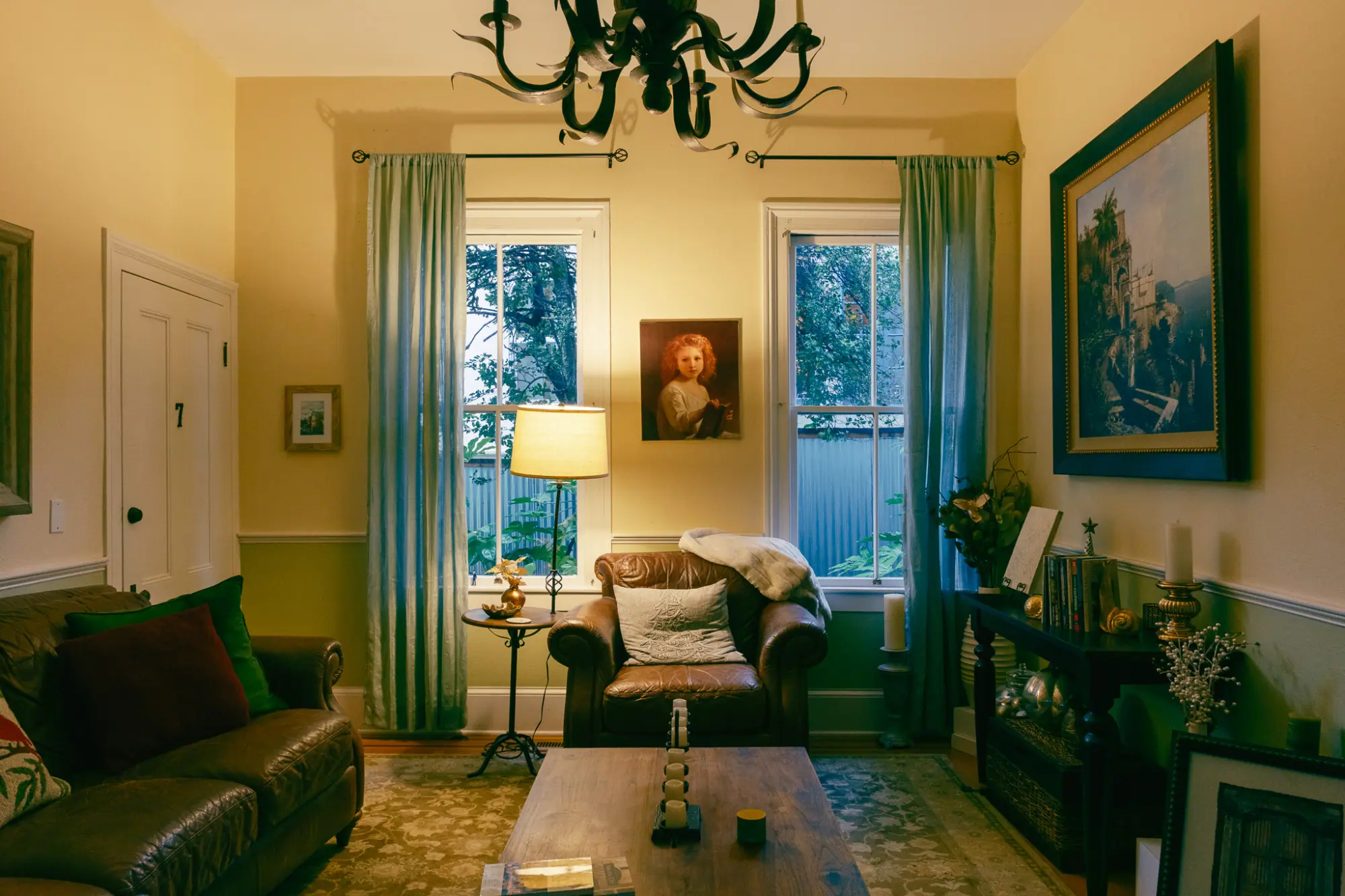
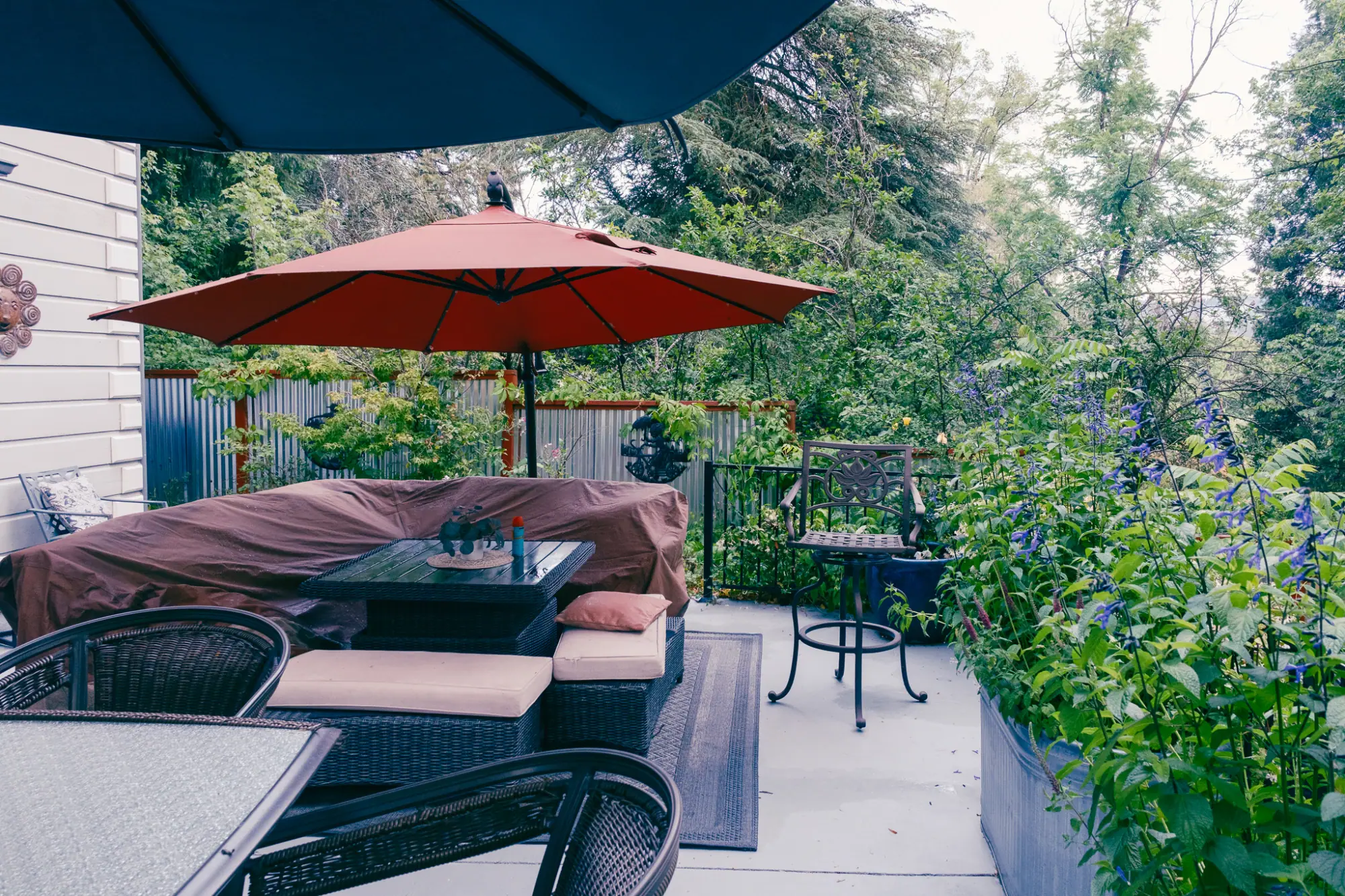
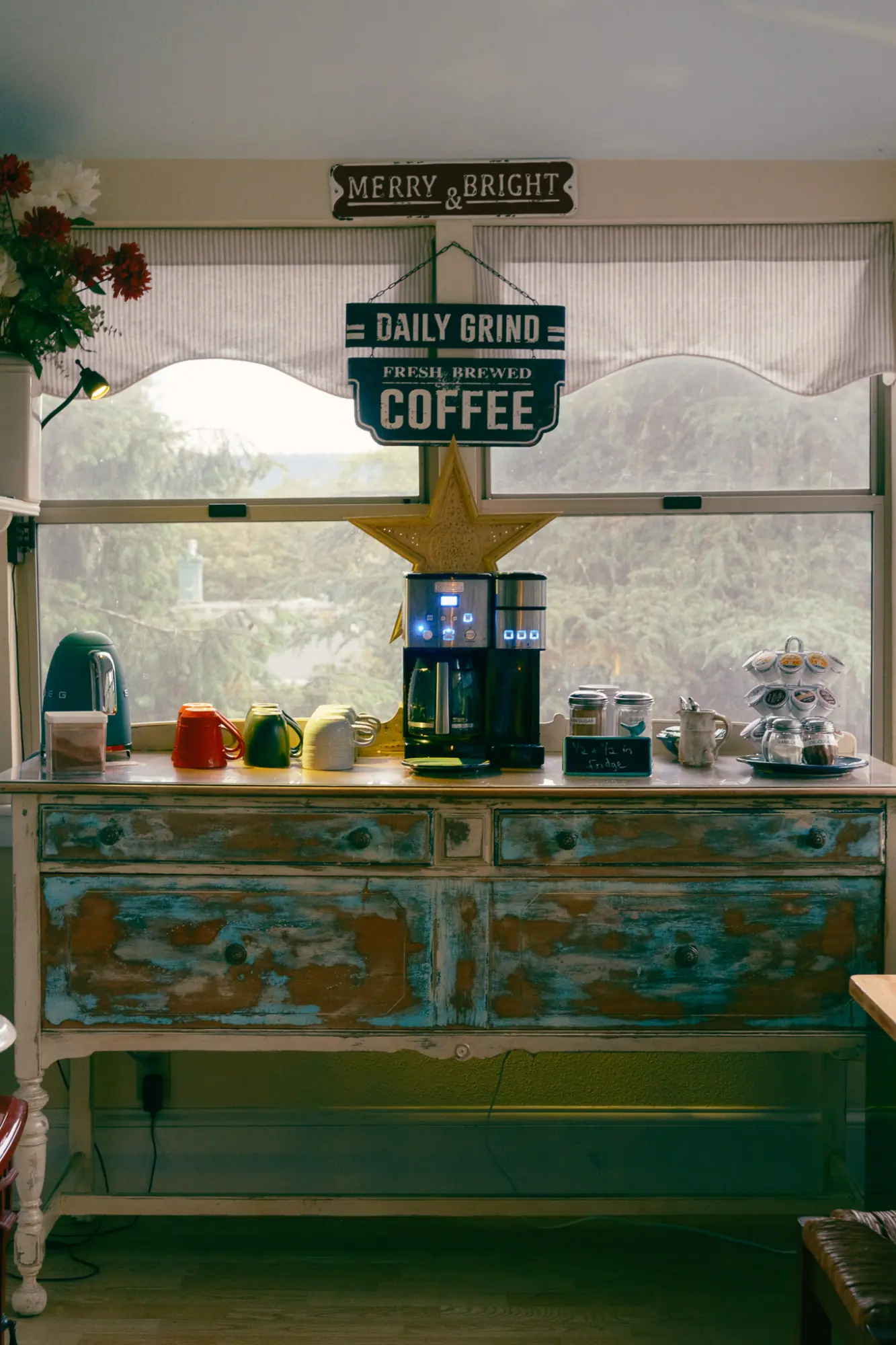
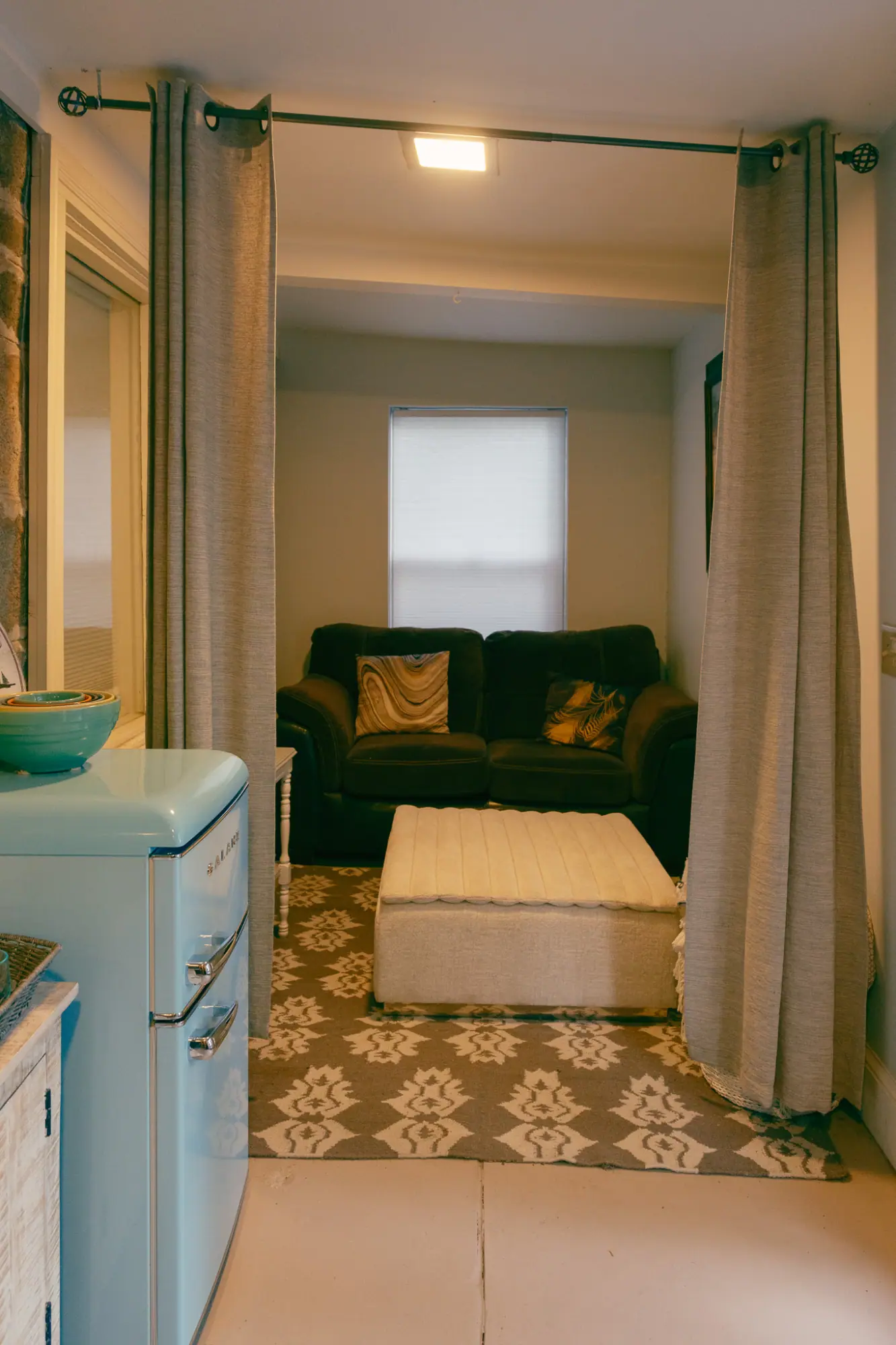
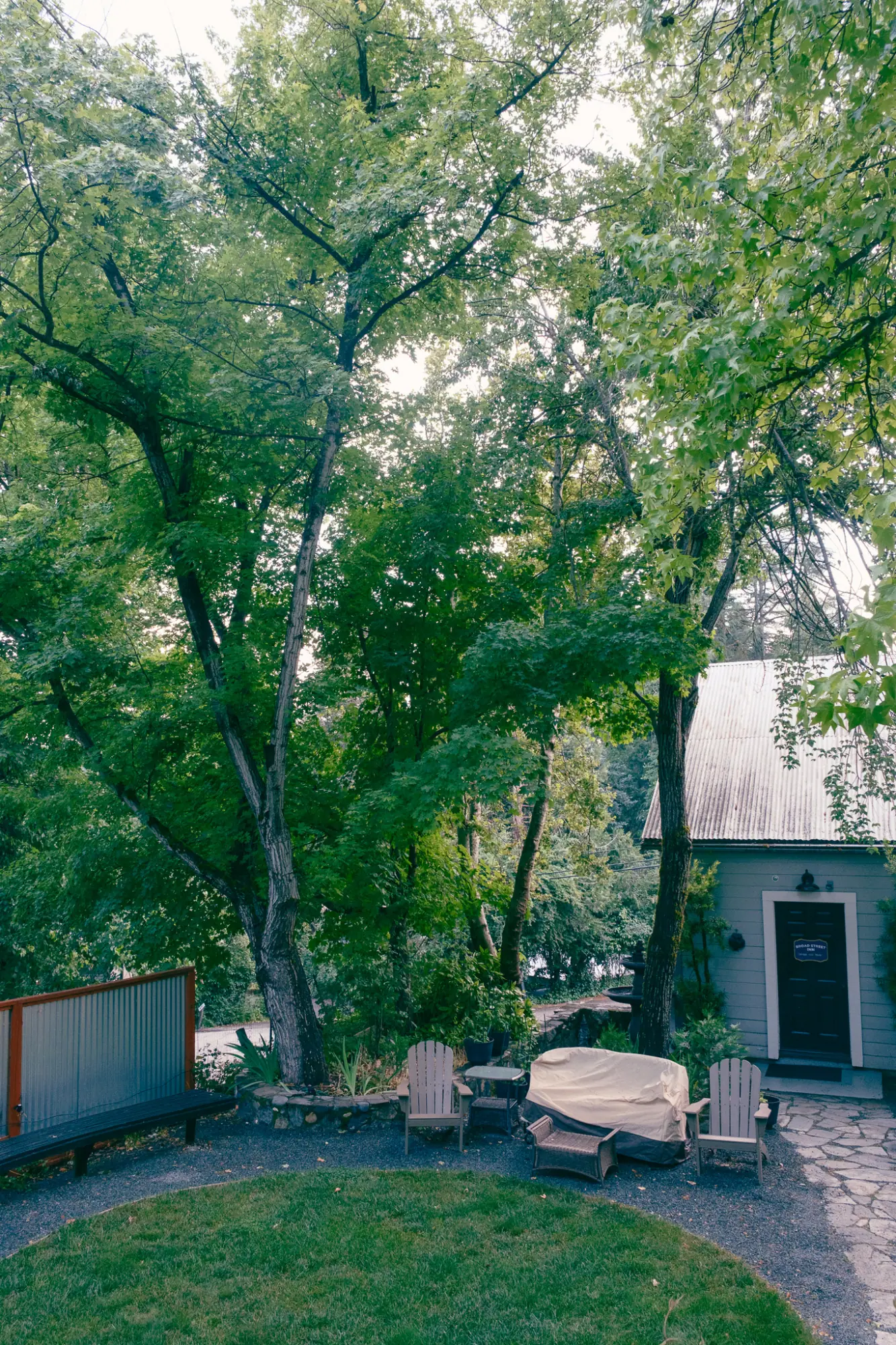
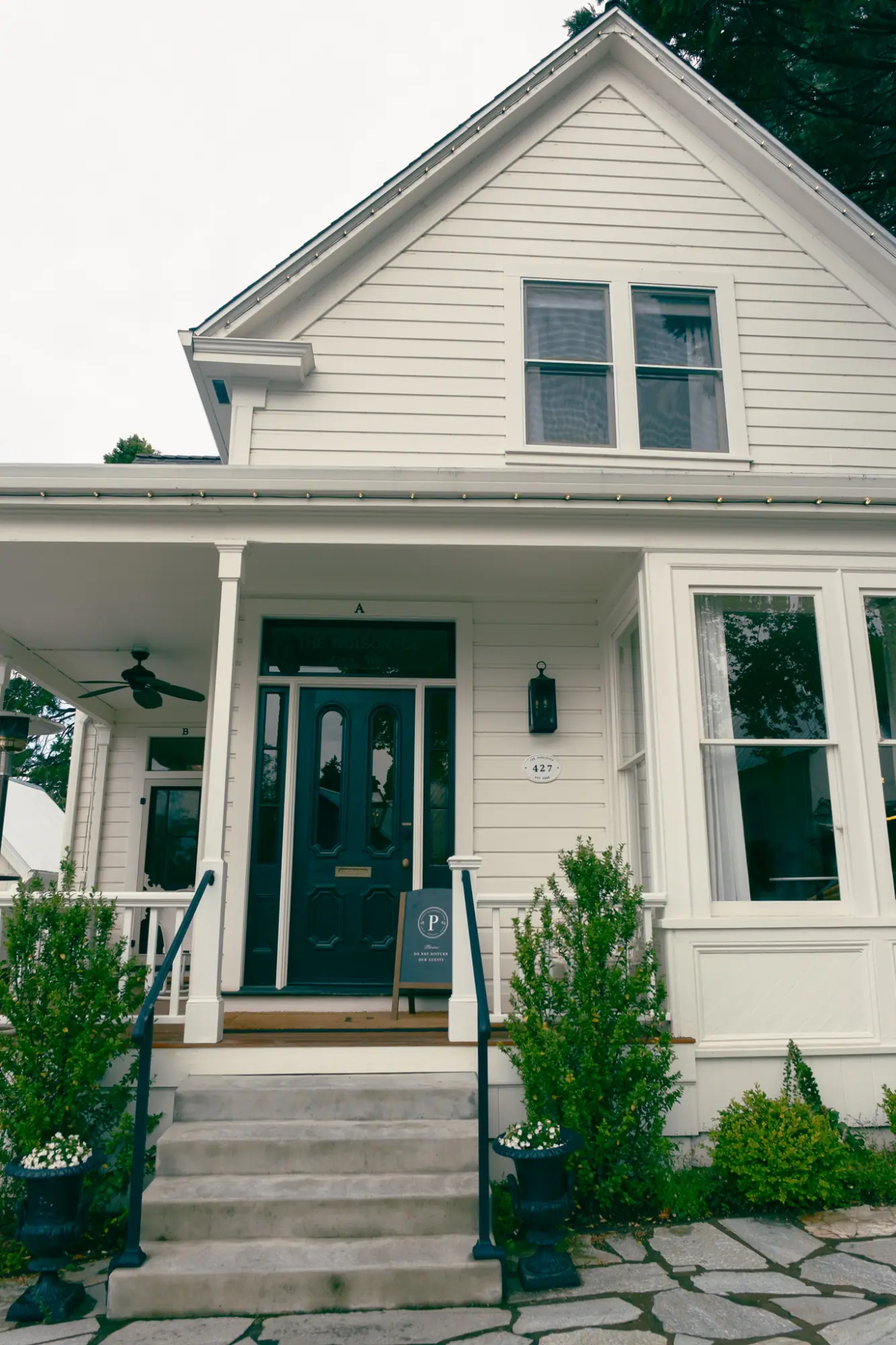
My wife and I left San Francisco and drove east into the Sierra foothills, rolling into Nevada City in the late afternoon. We checked into the Broad Street Inn, right in the middle of downtown, which made it easy to drop our bags and head straight out on foot.
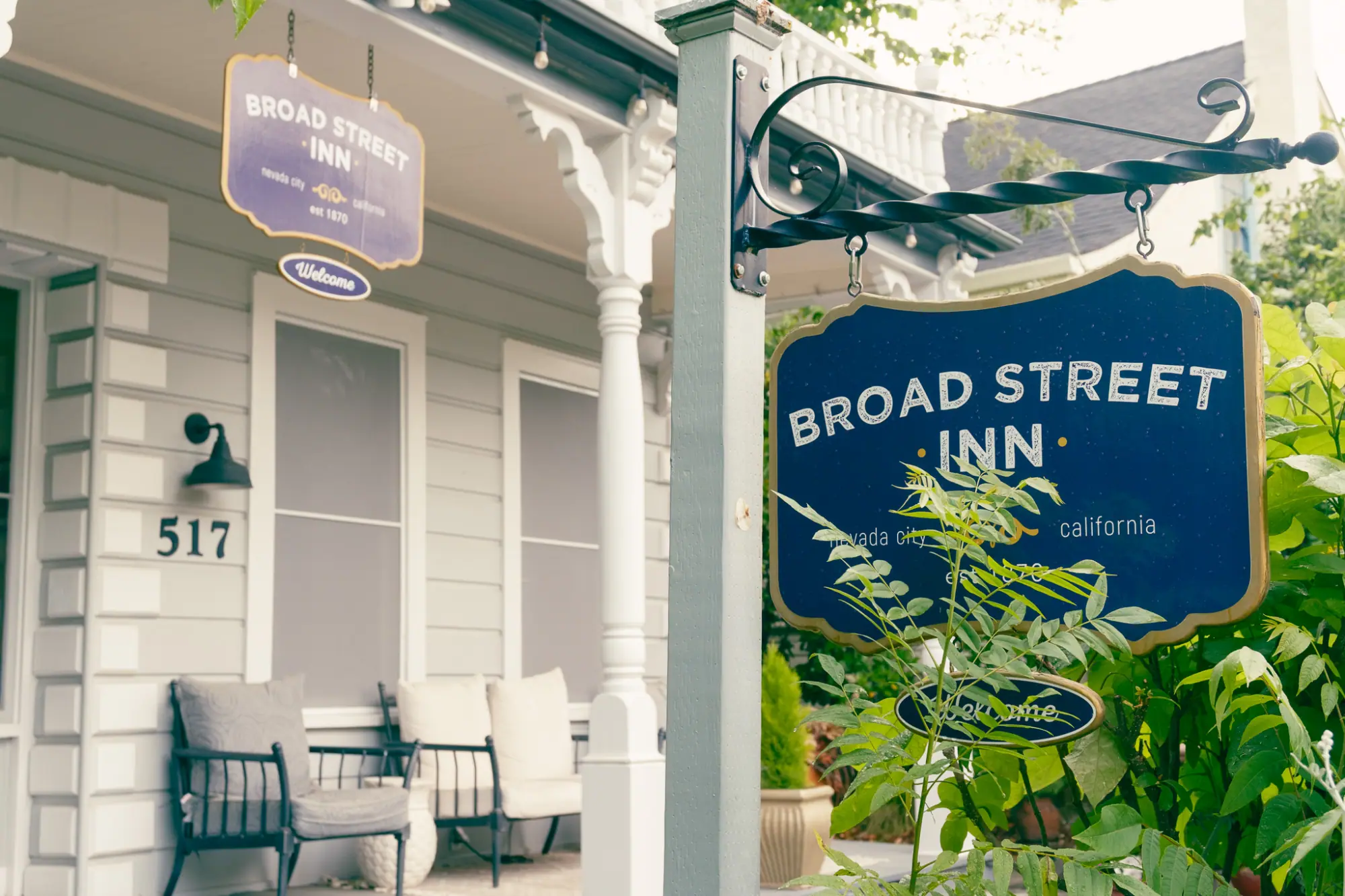
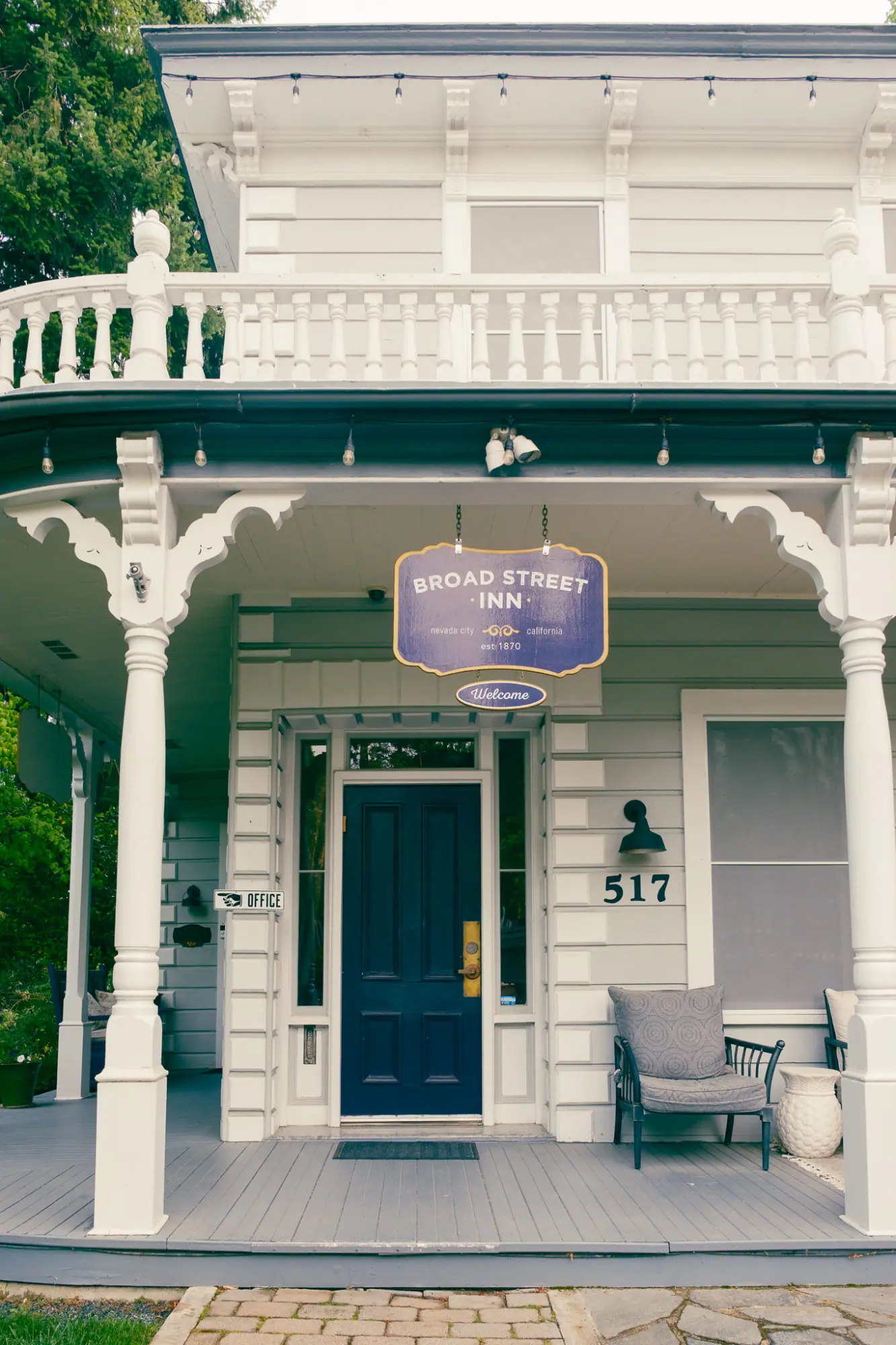
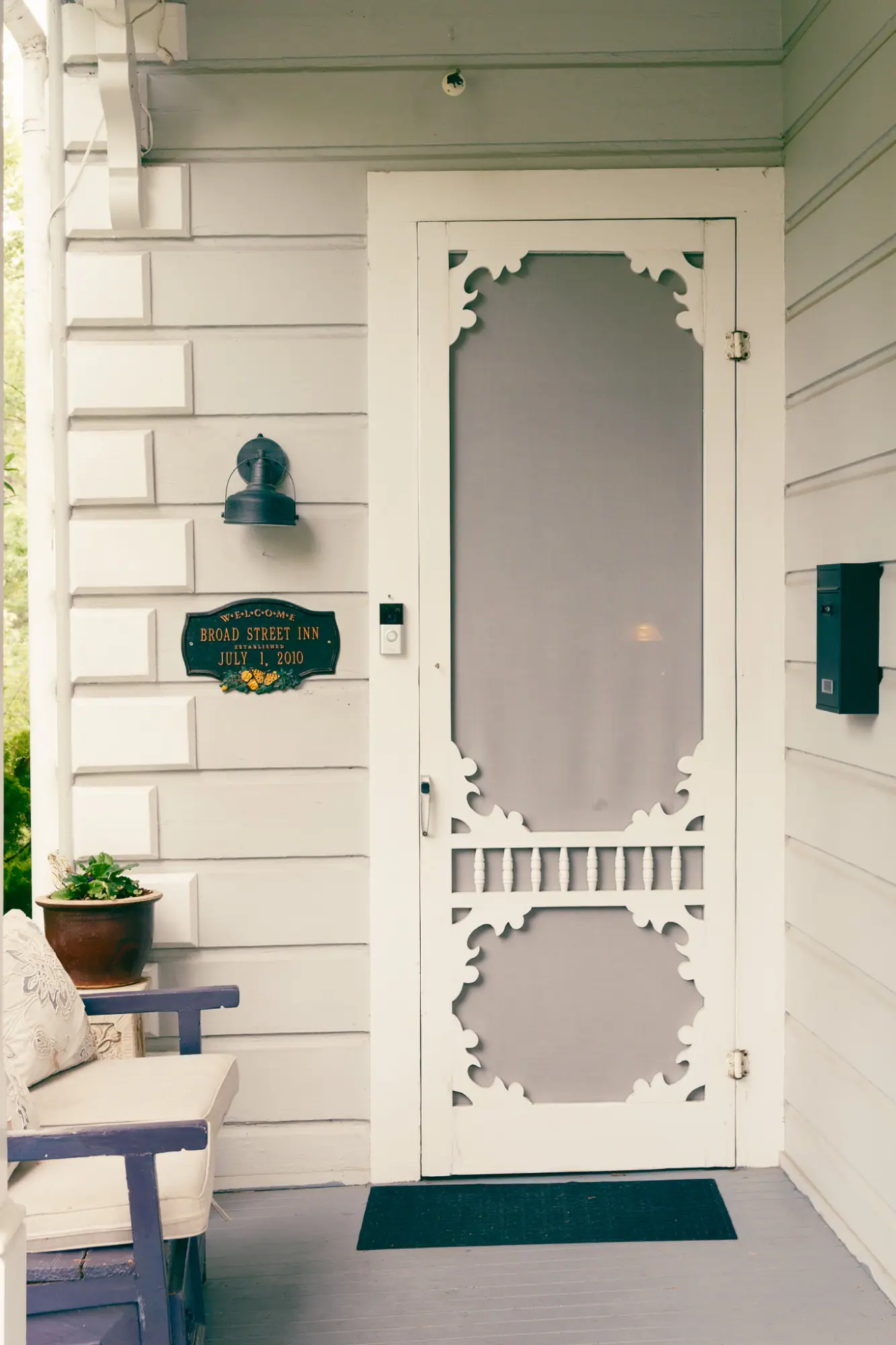
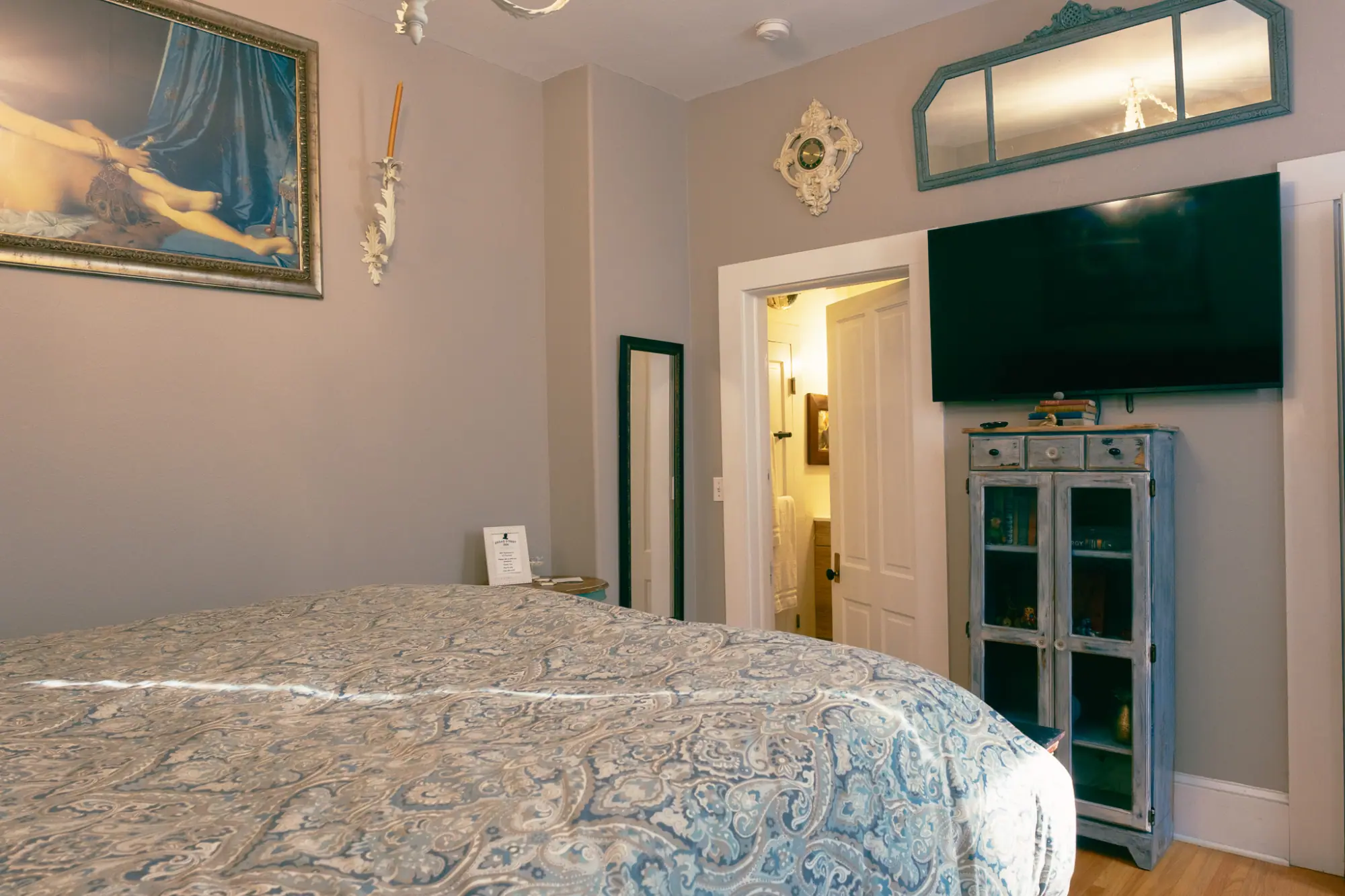
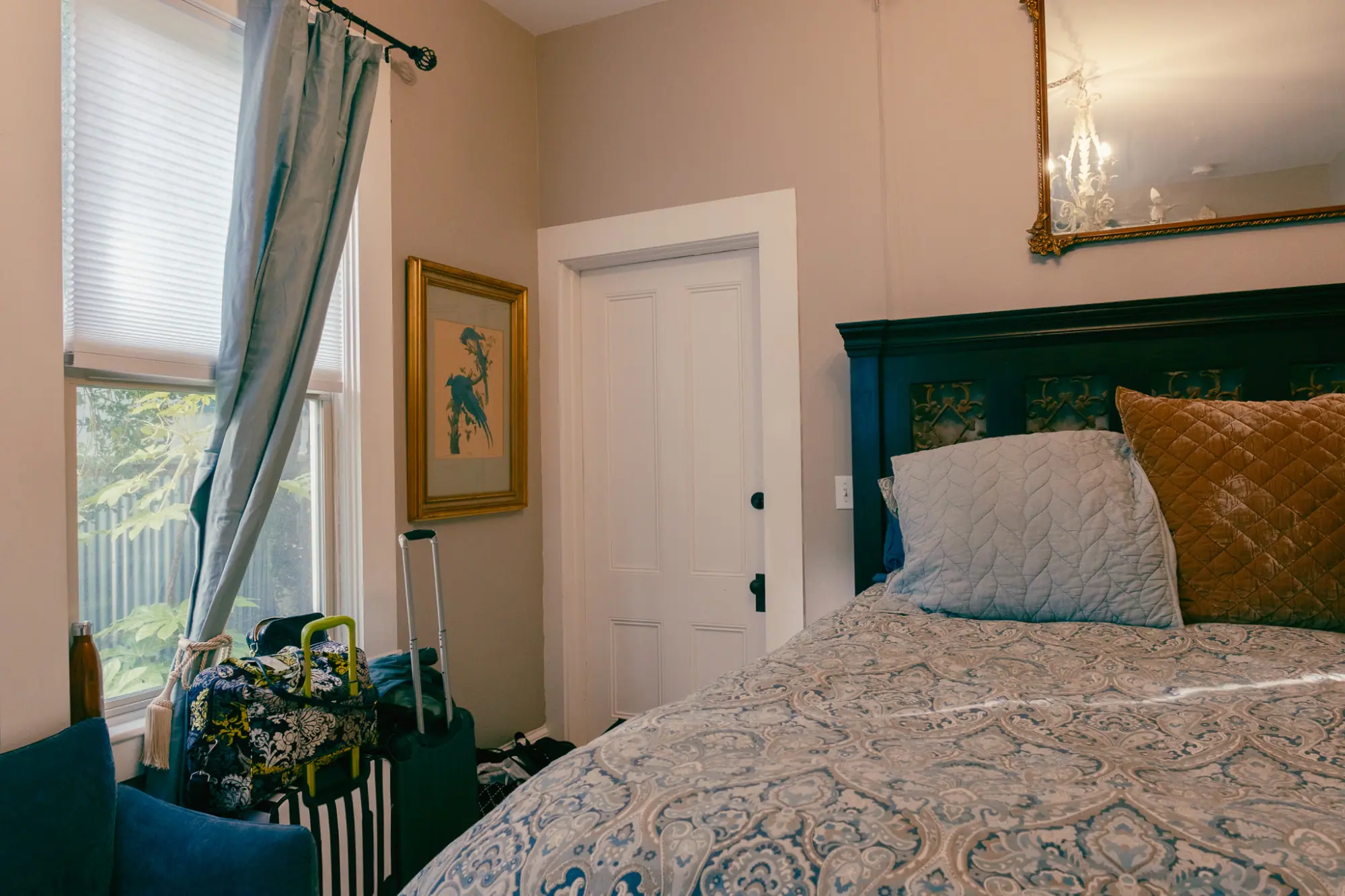
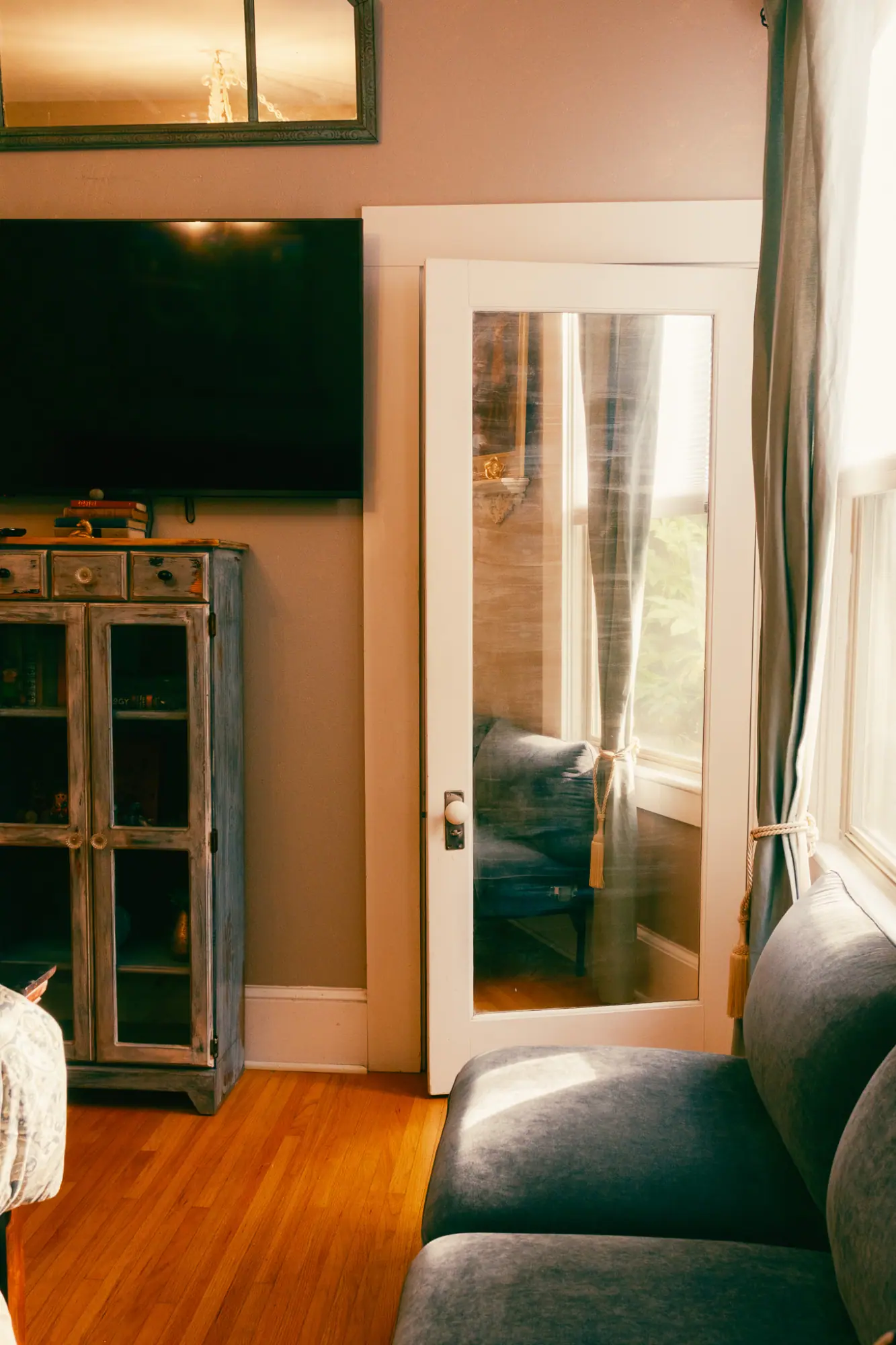
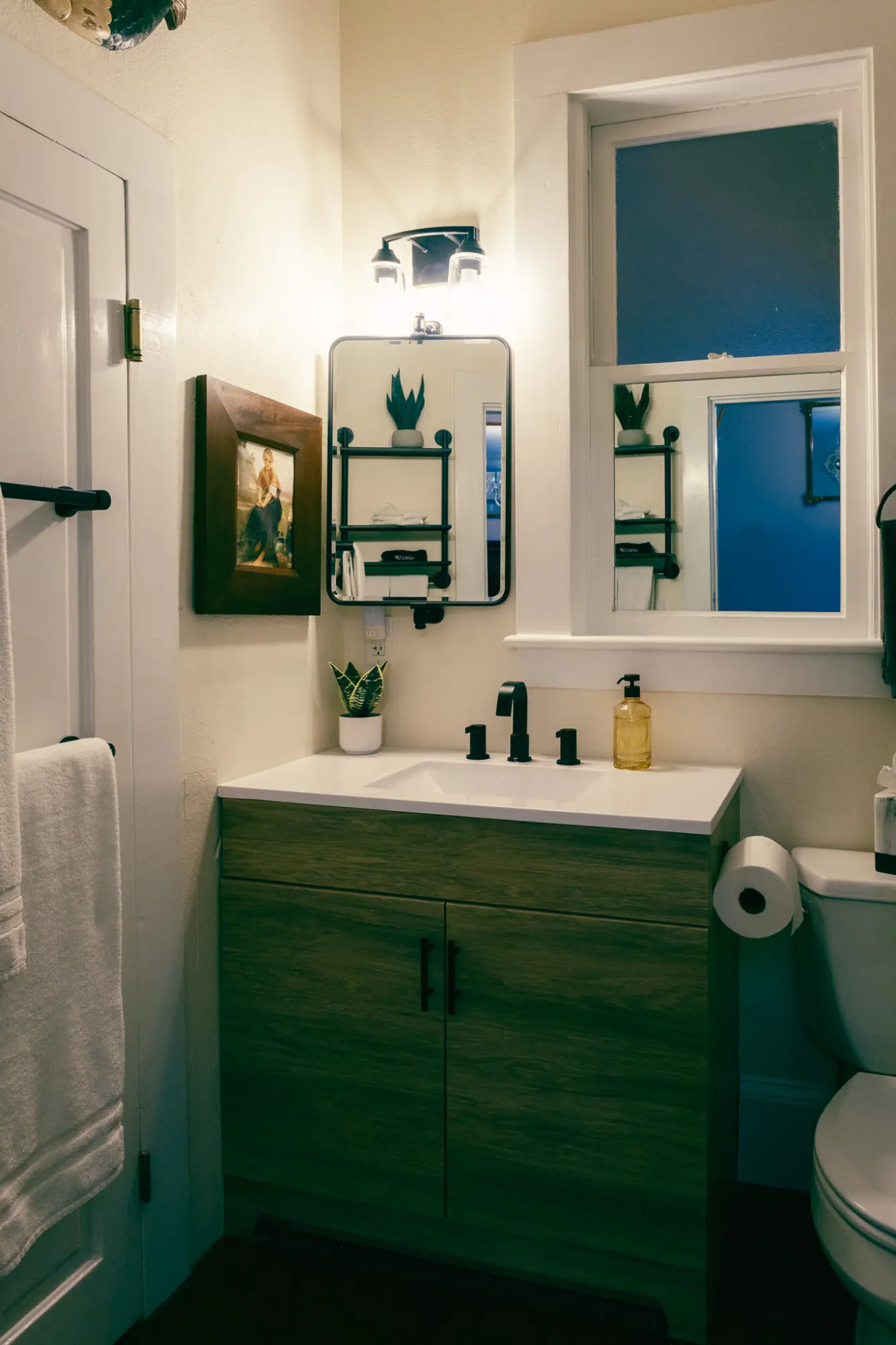
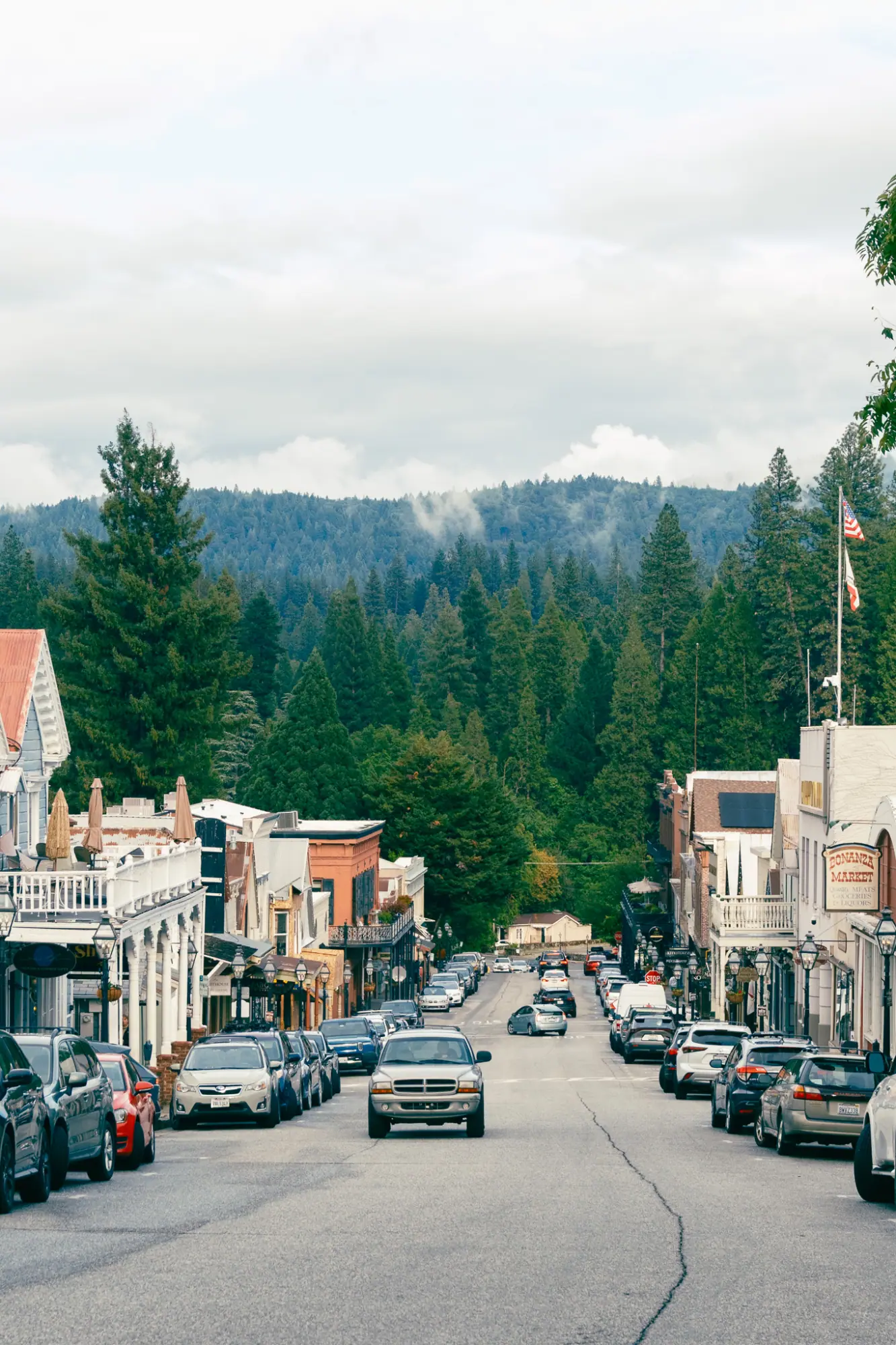
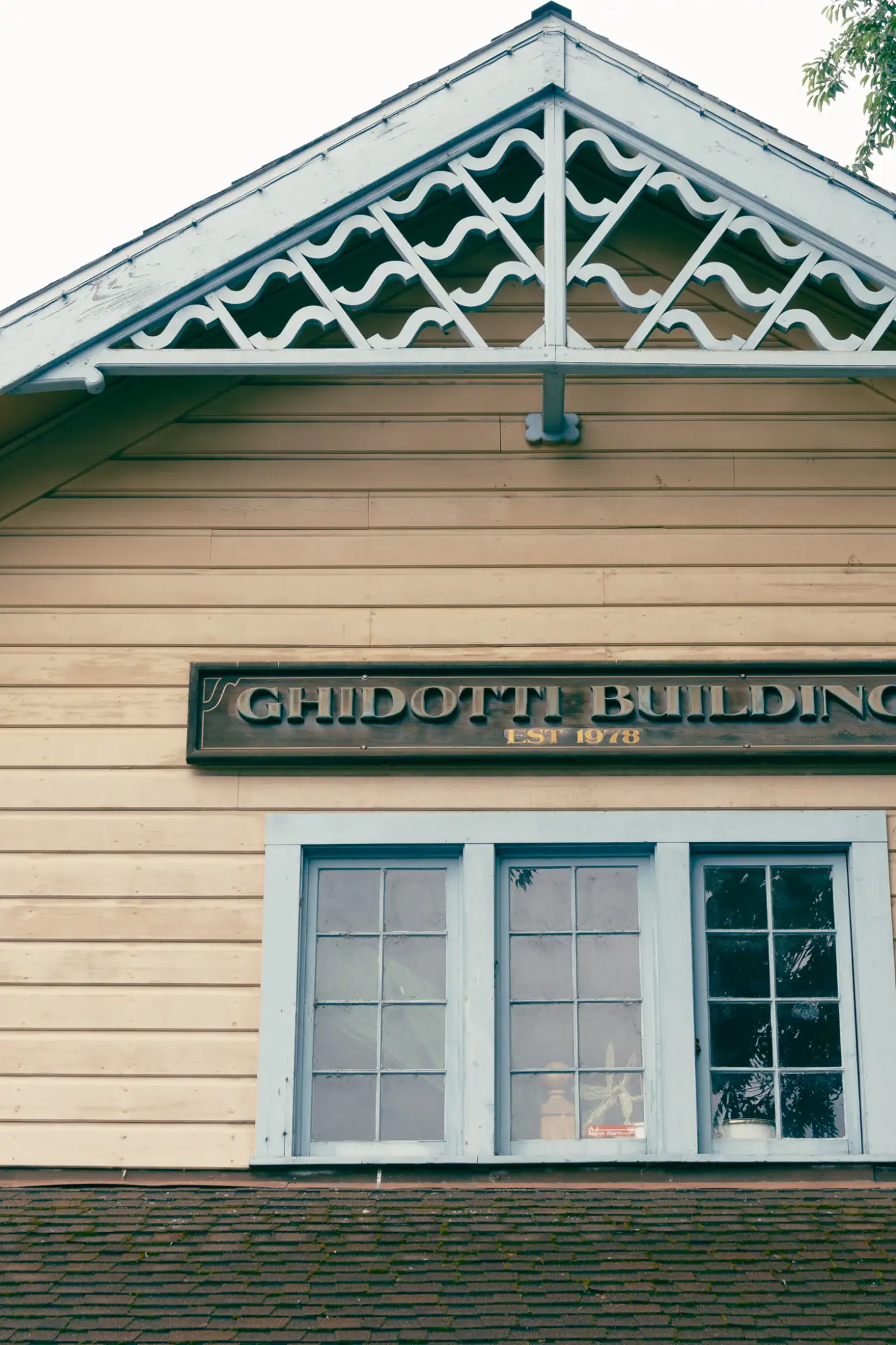
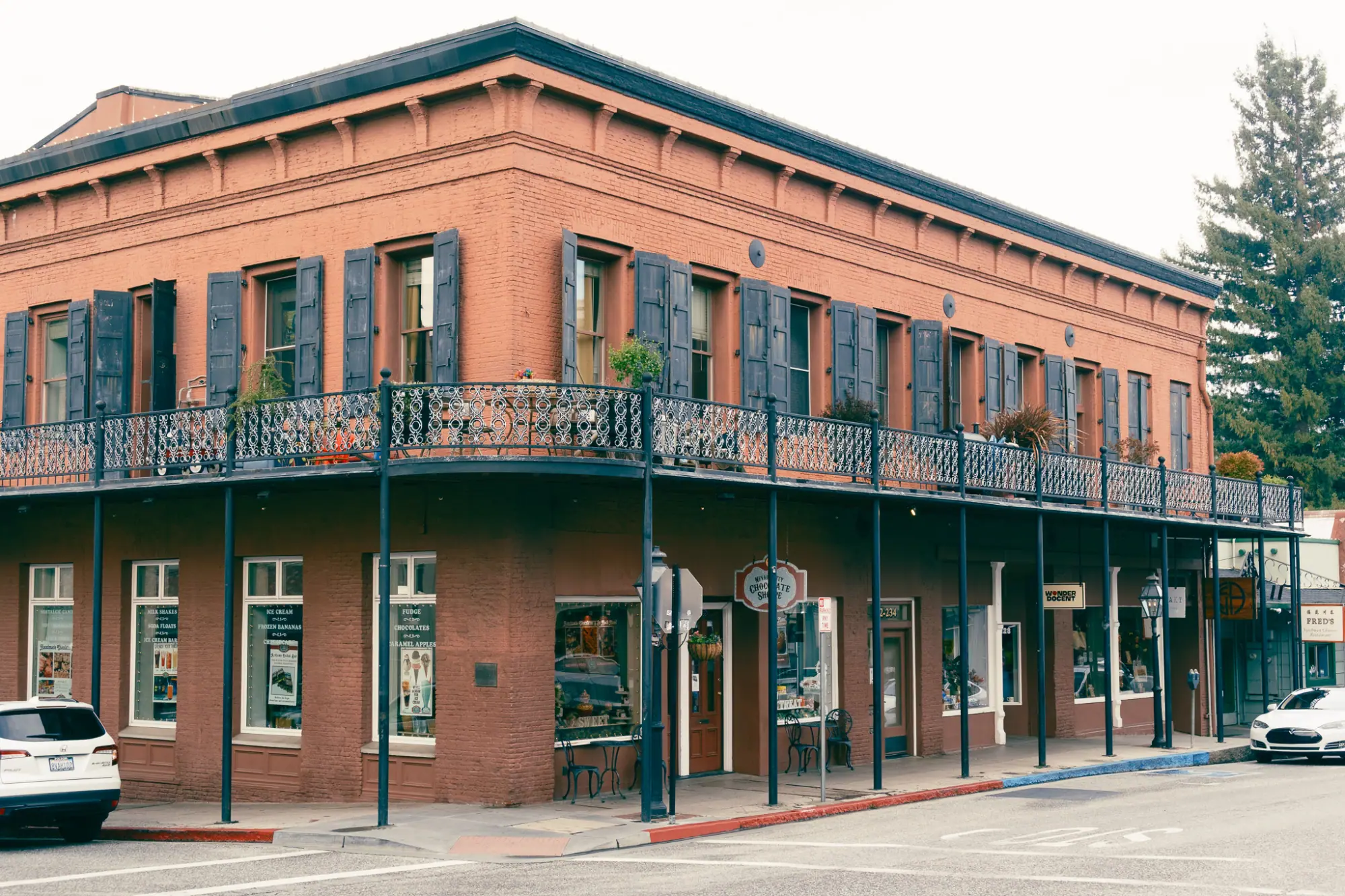
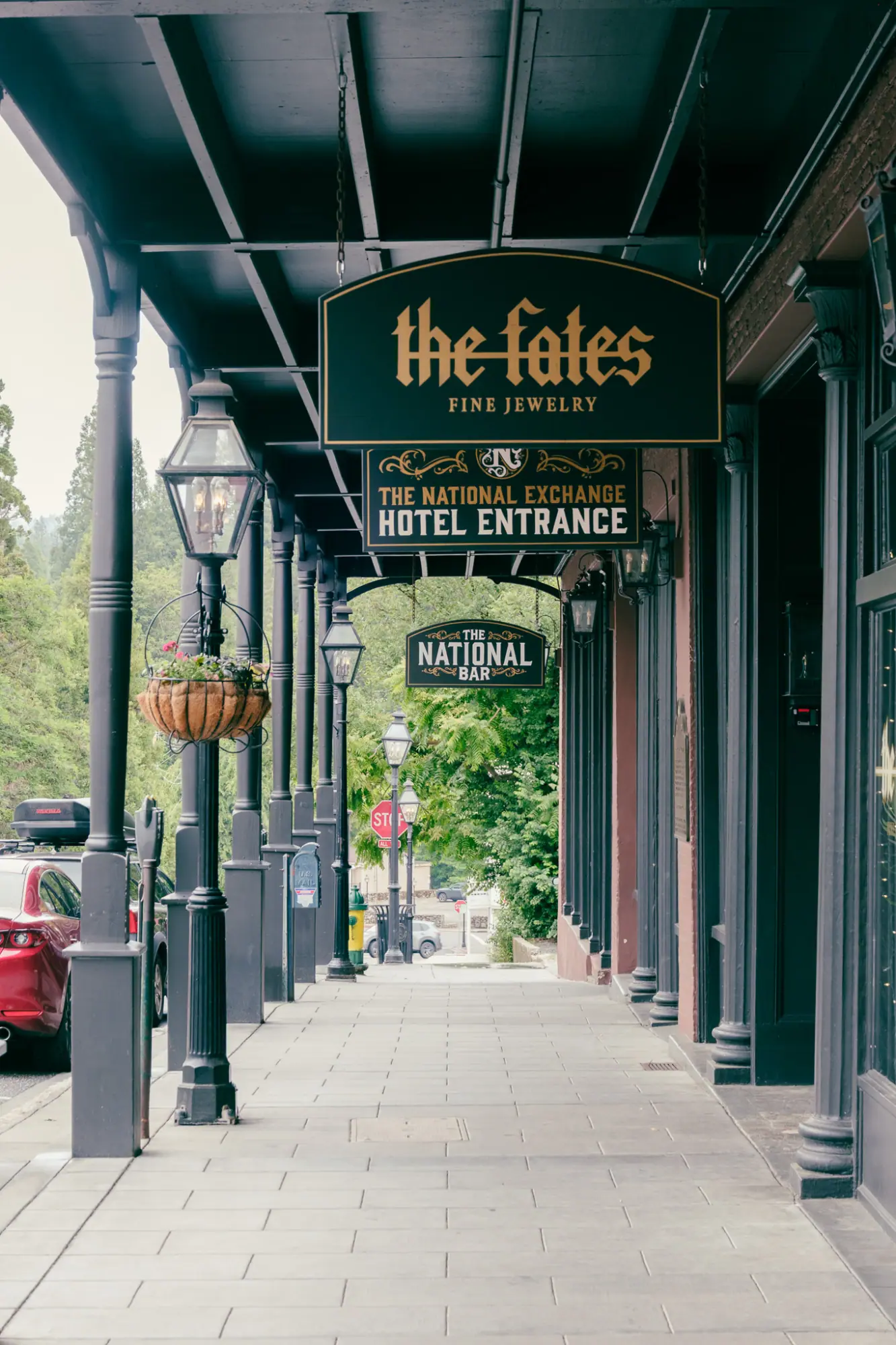
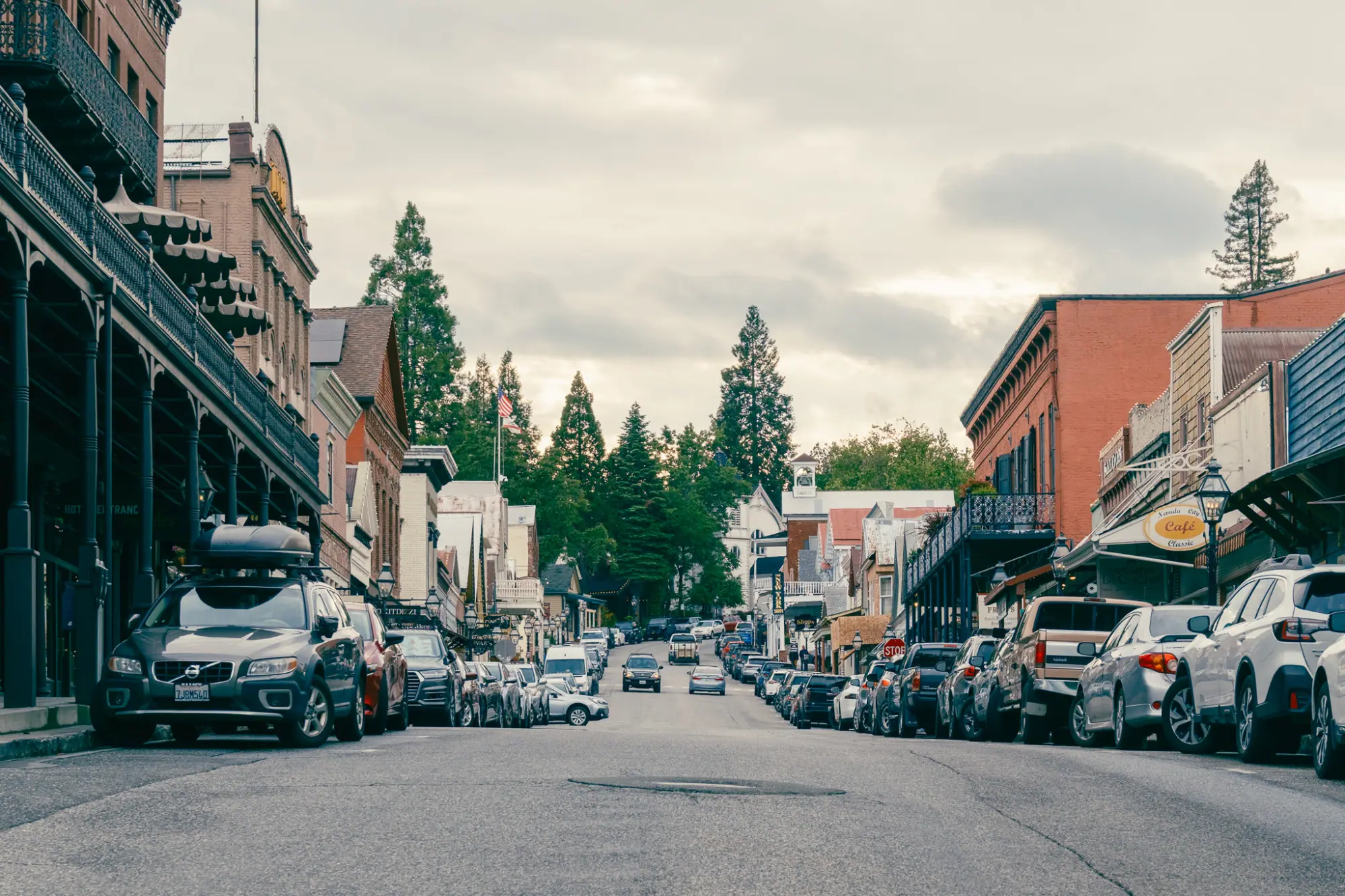
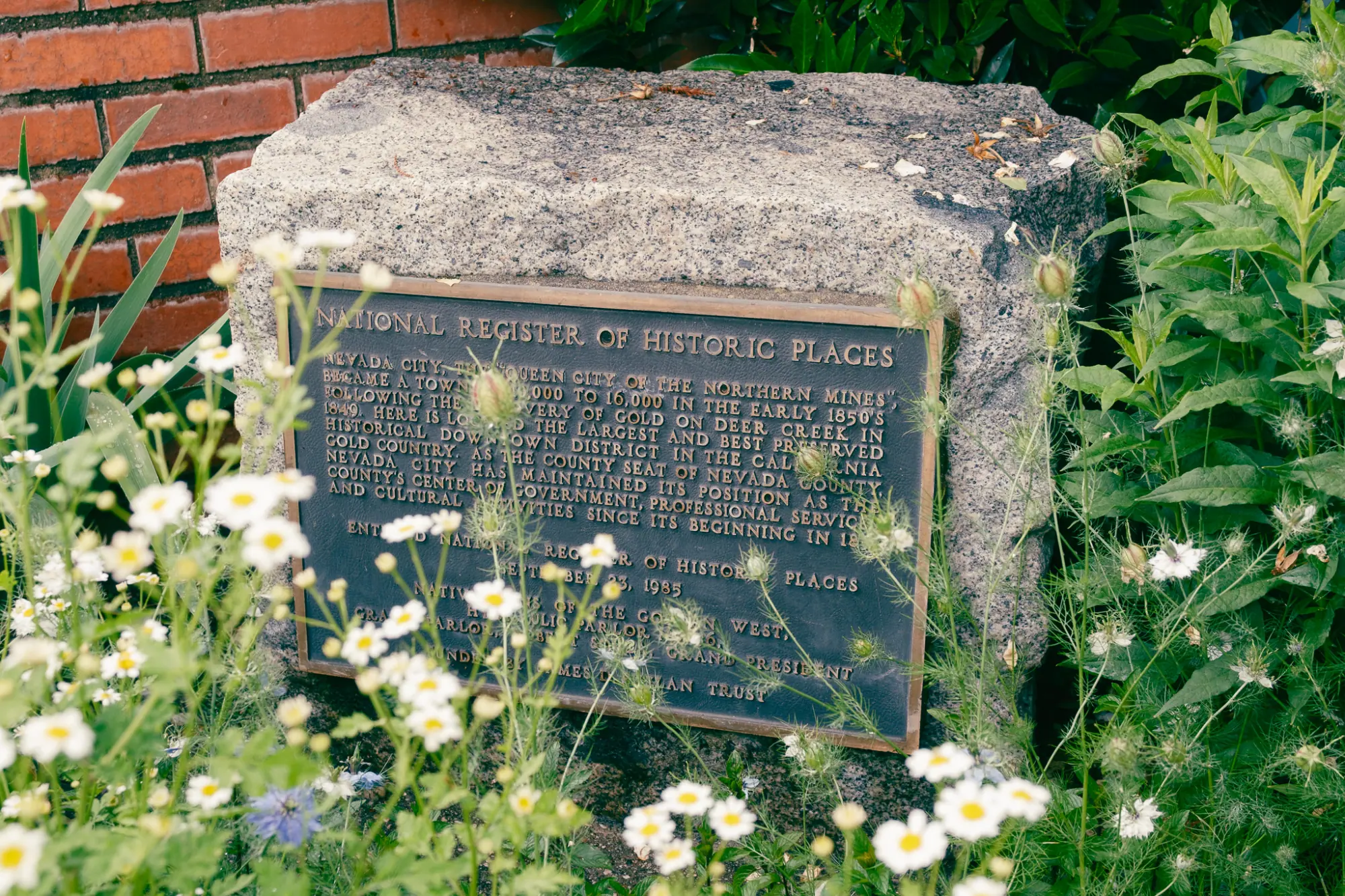
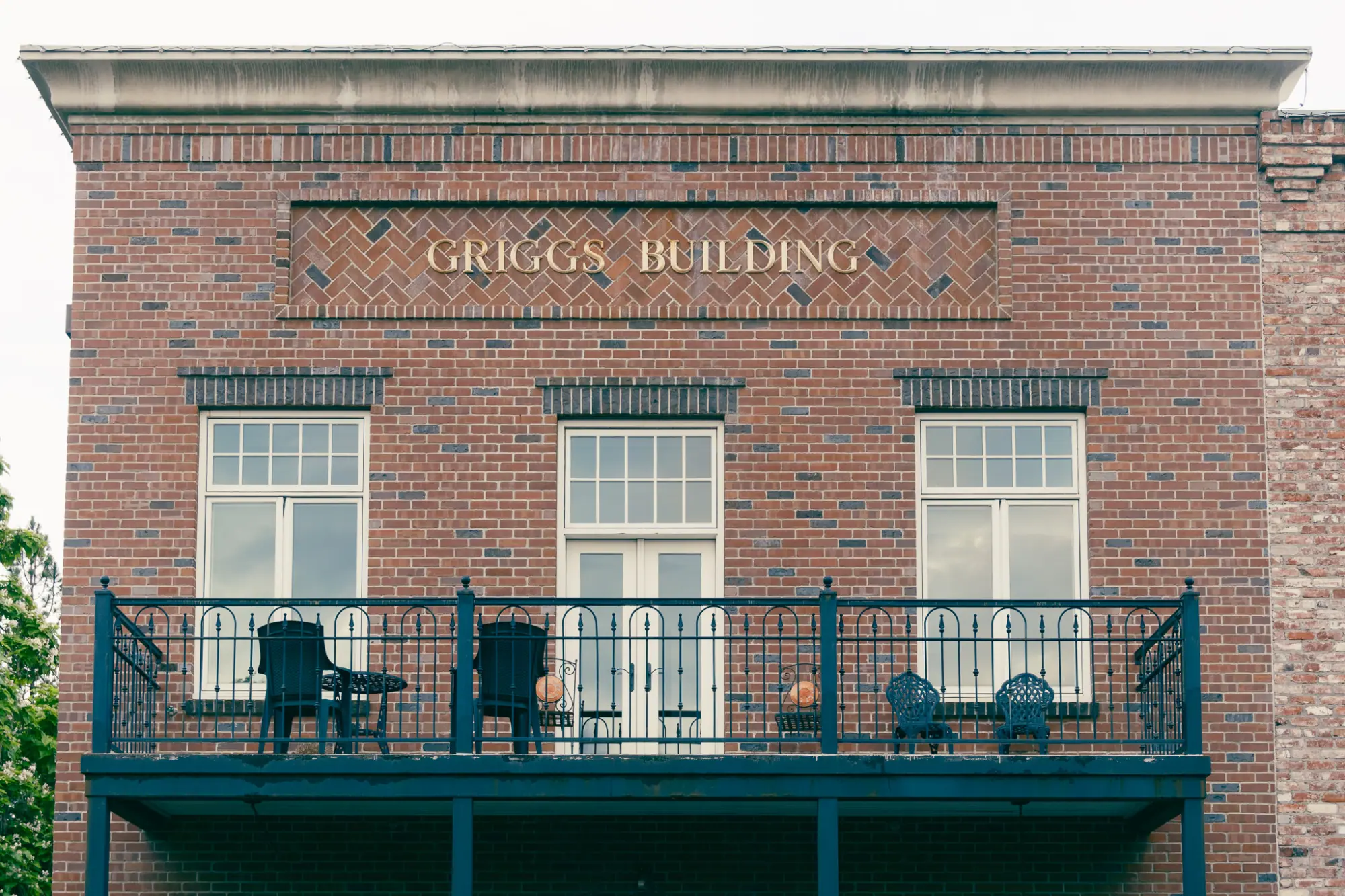
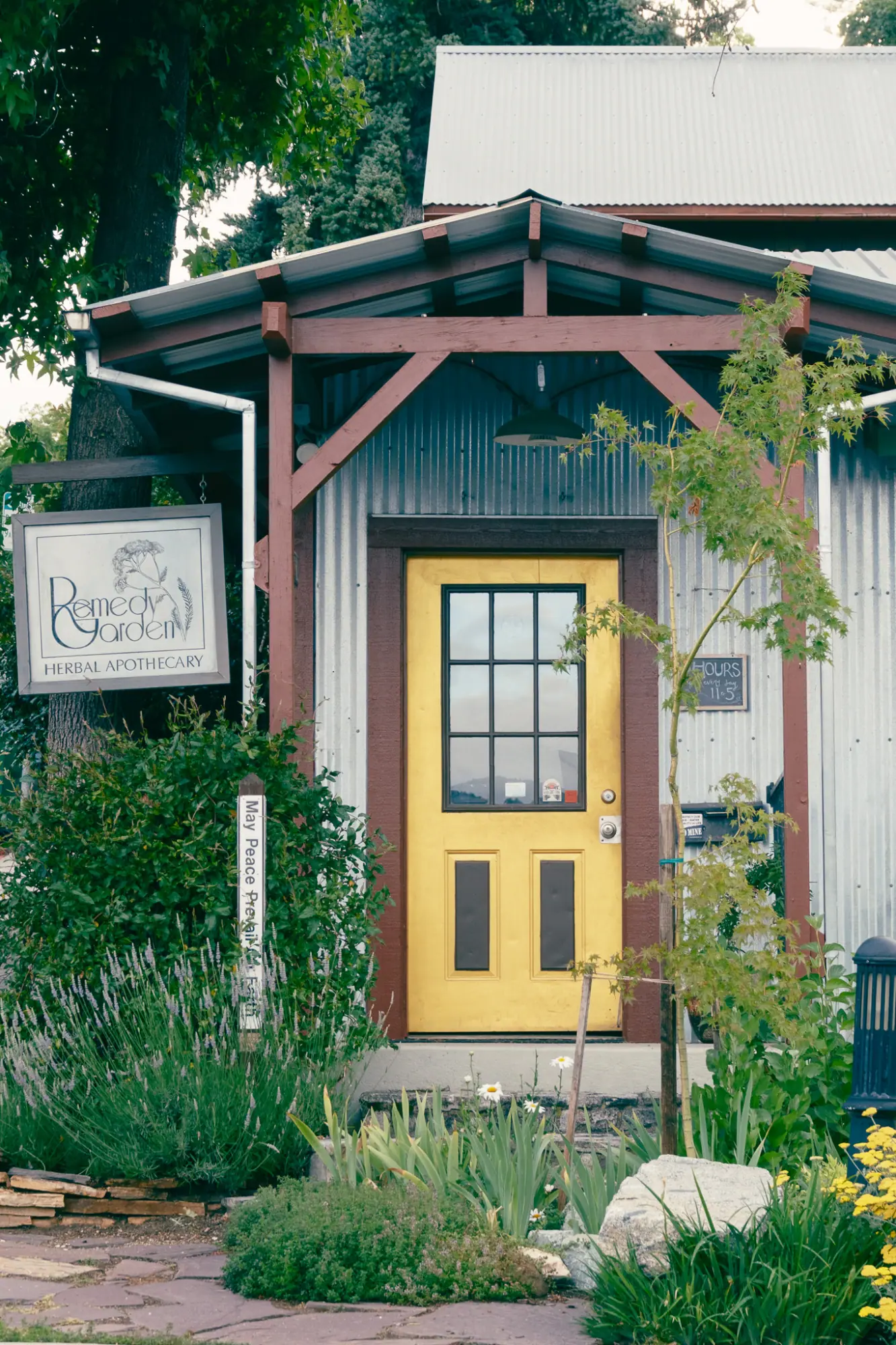
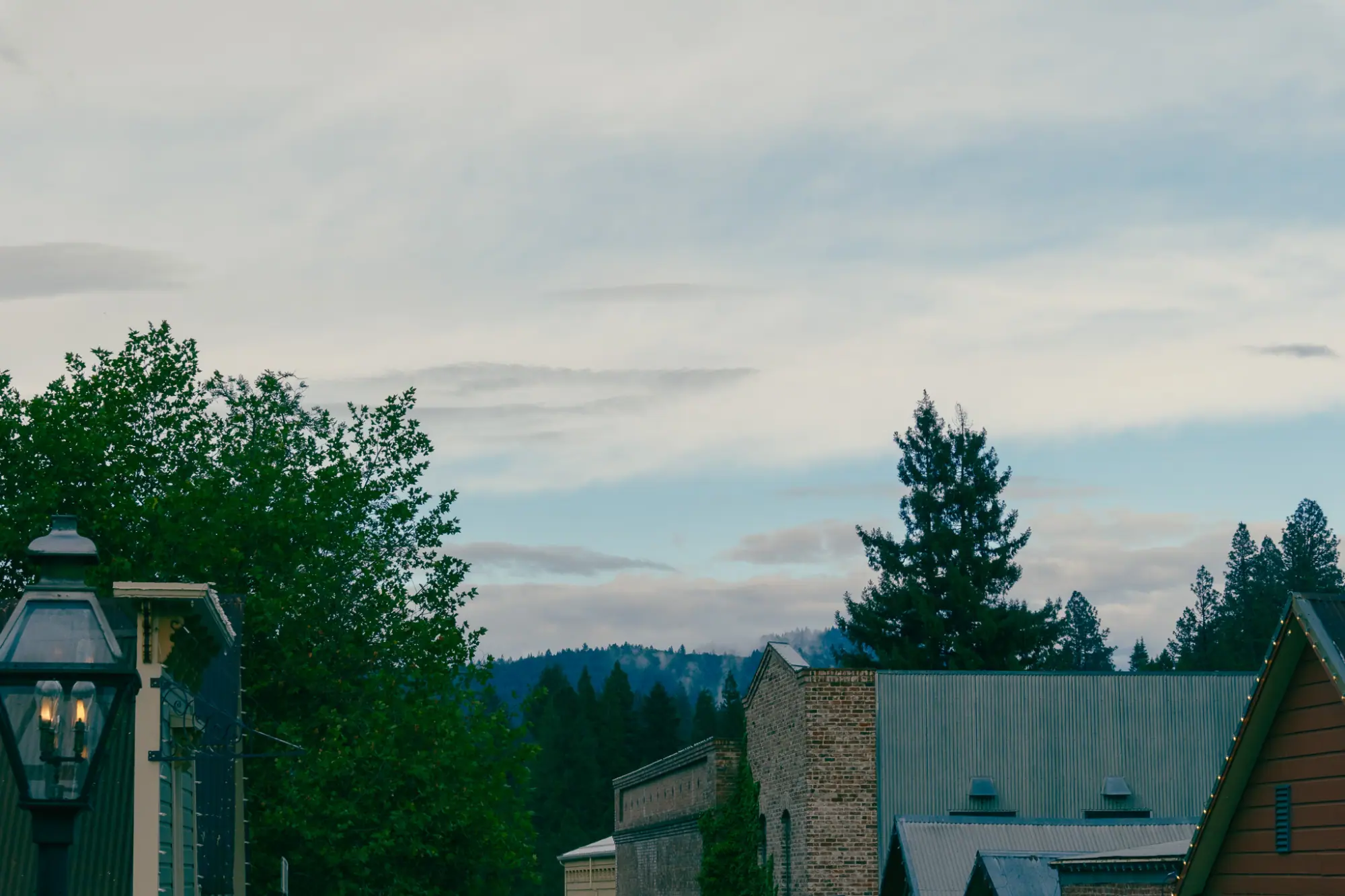
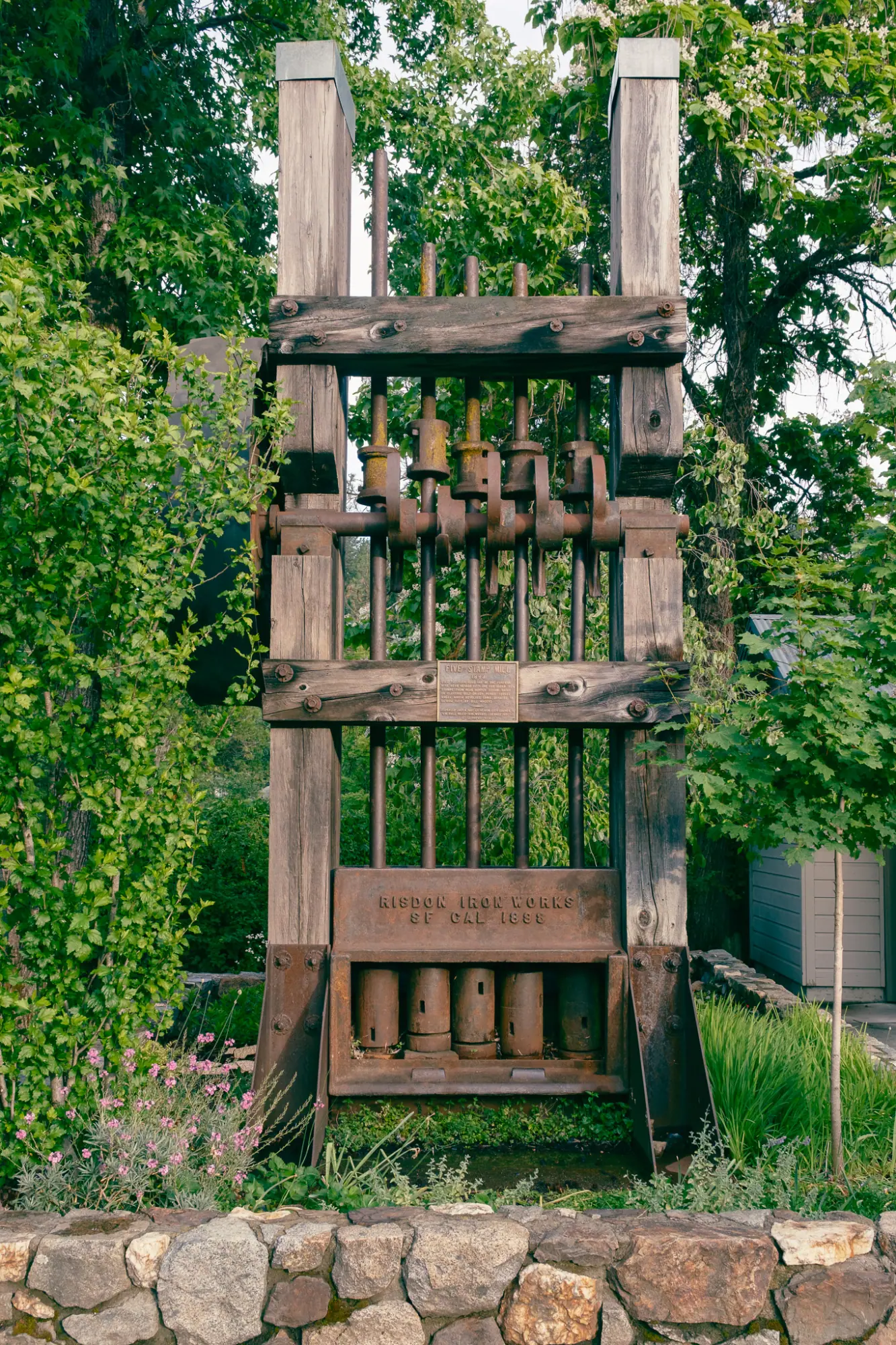
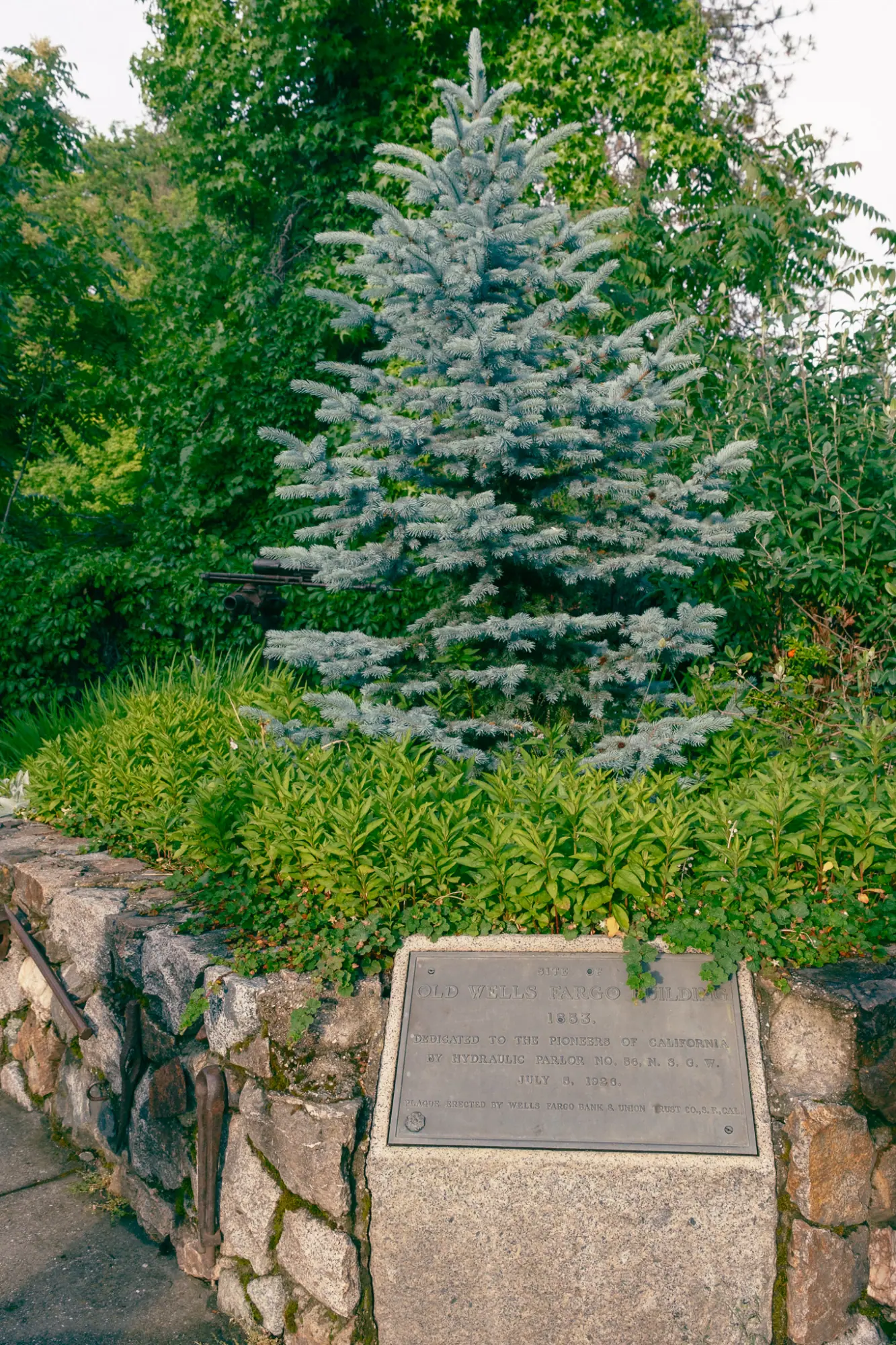
Nevada City is a town that rewards wandering. Nearly every block has a historic building, a plaque, or a monument telling you a little more about who was here before you. We took our time, read most of them, and let the town introduce itself.
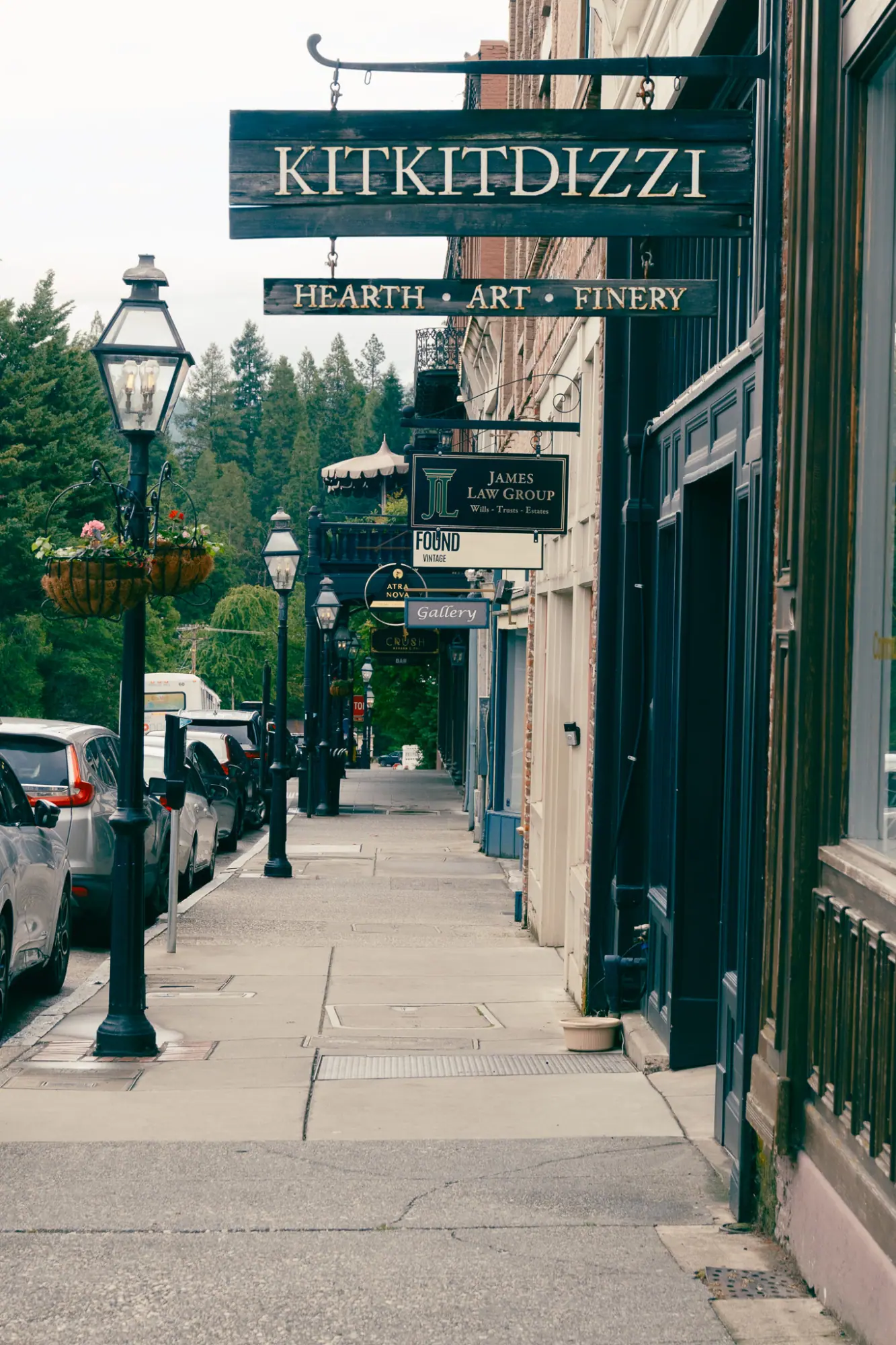
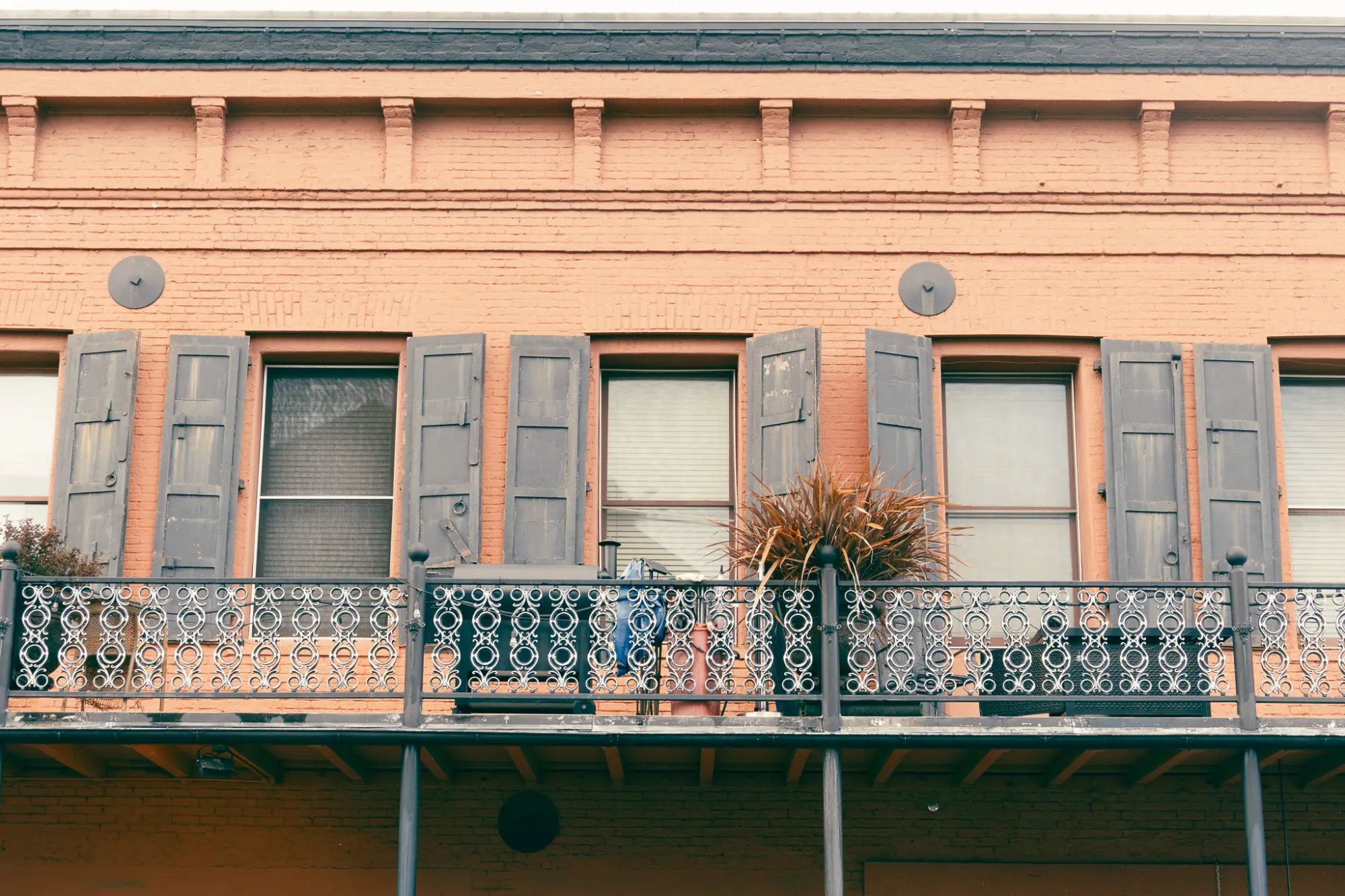
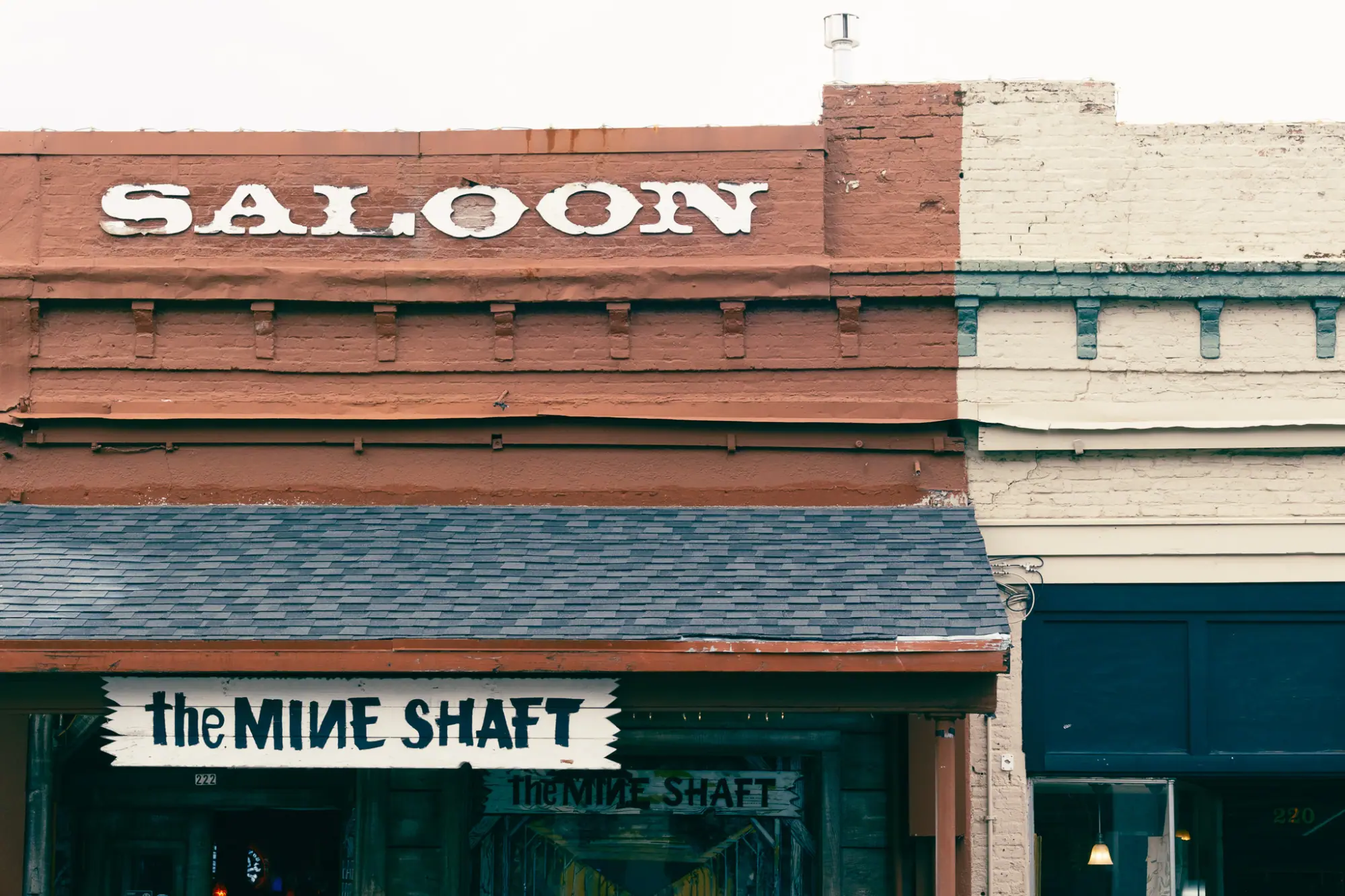
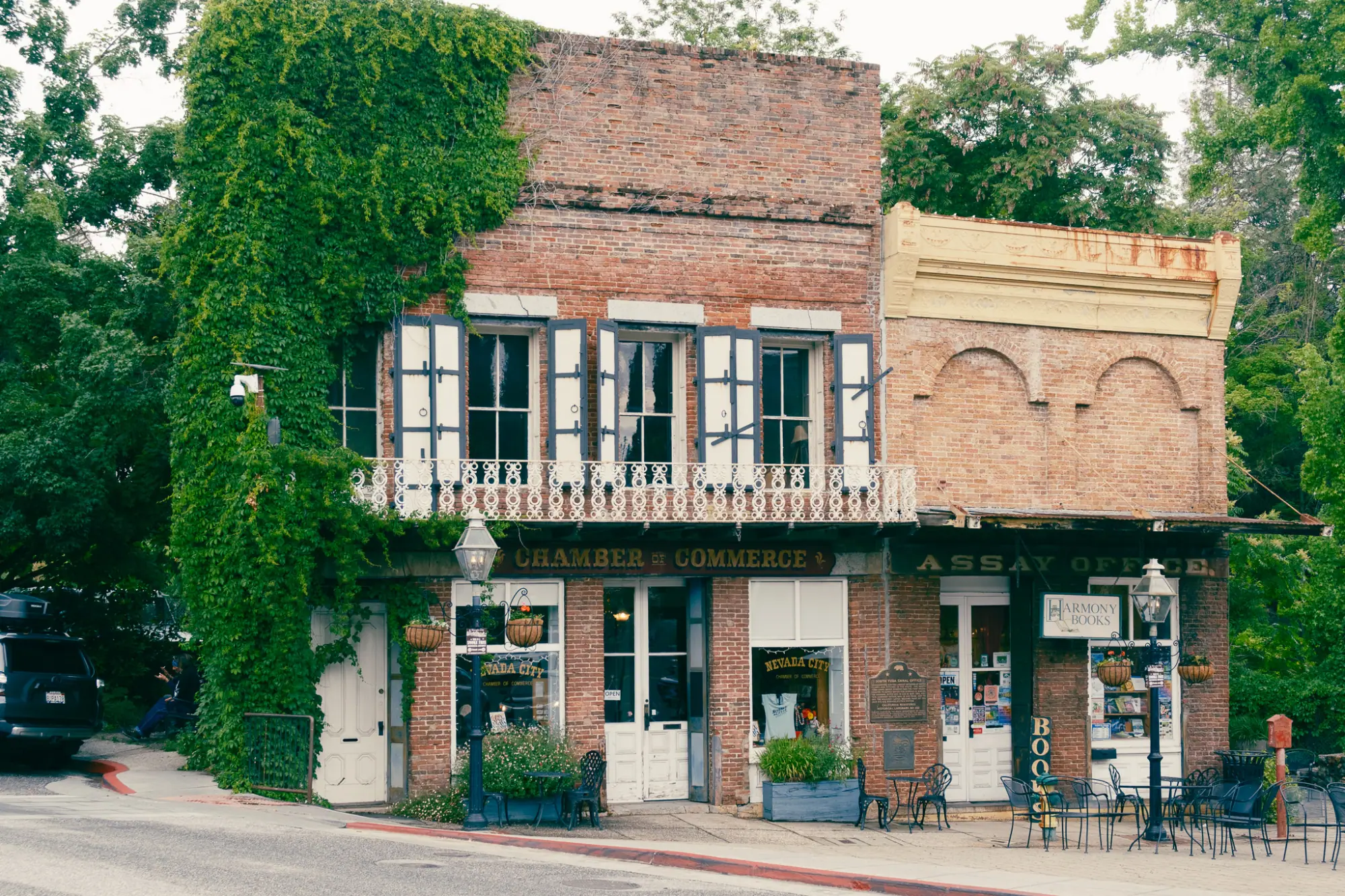
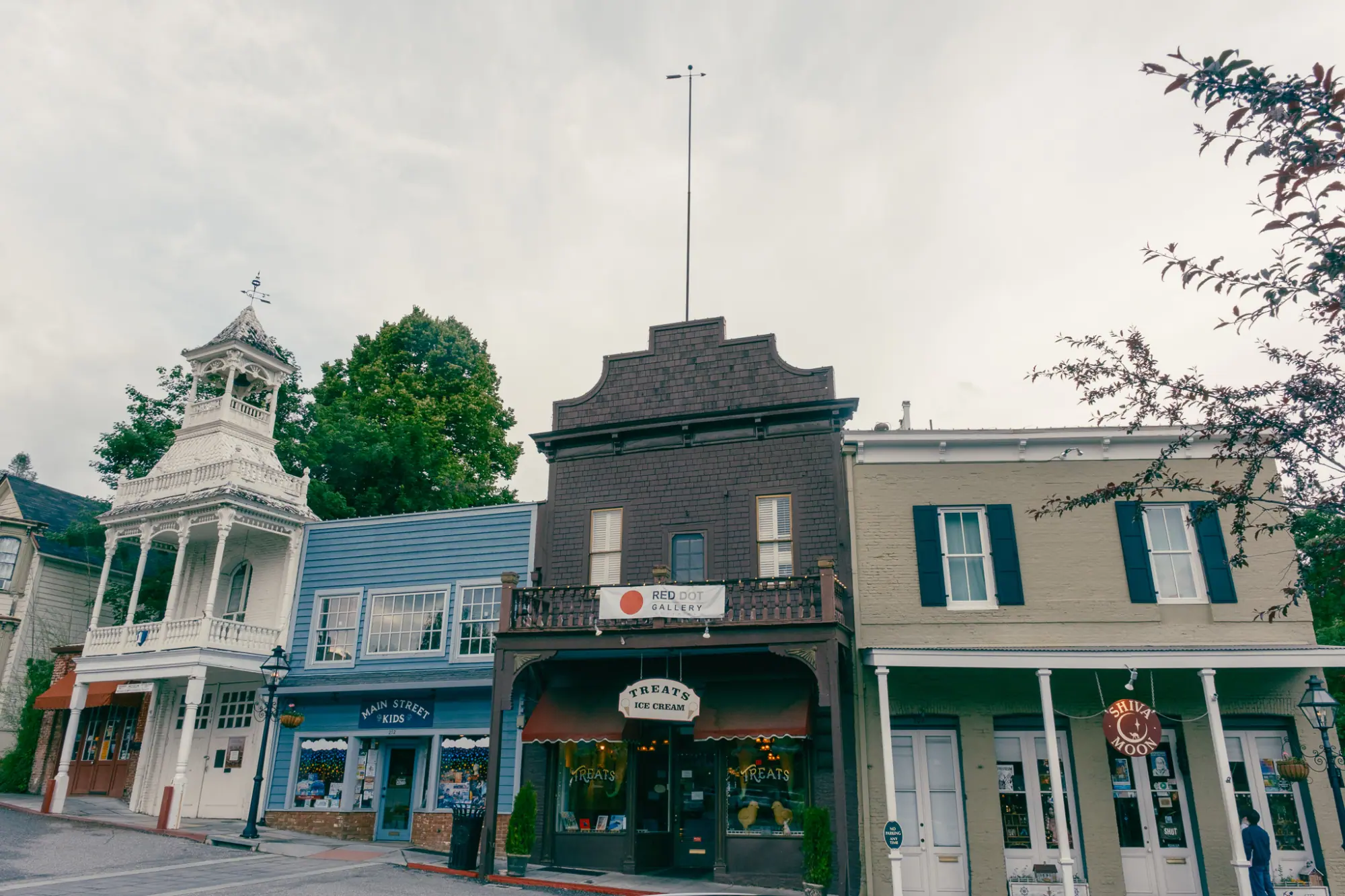
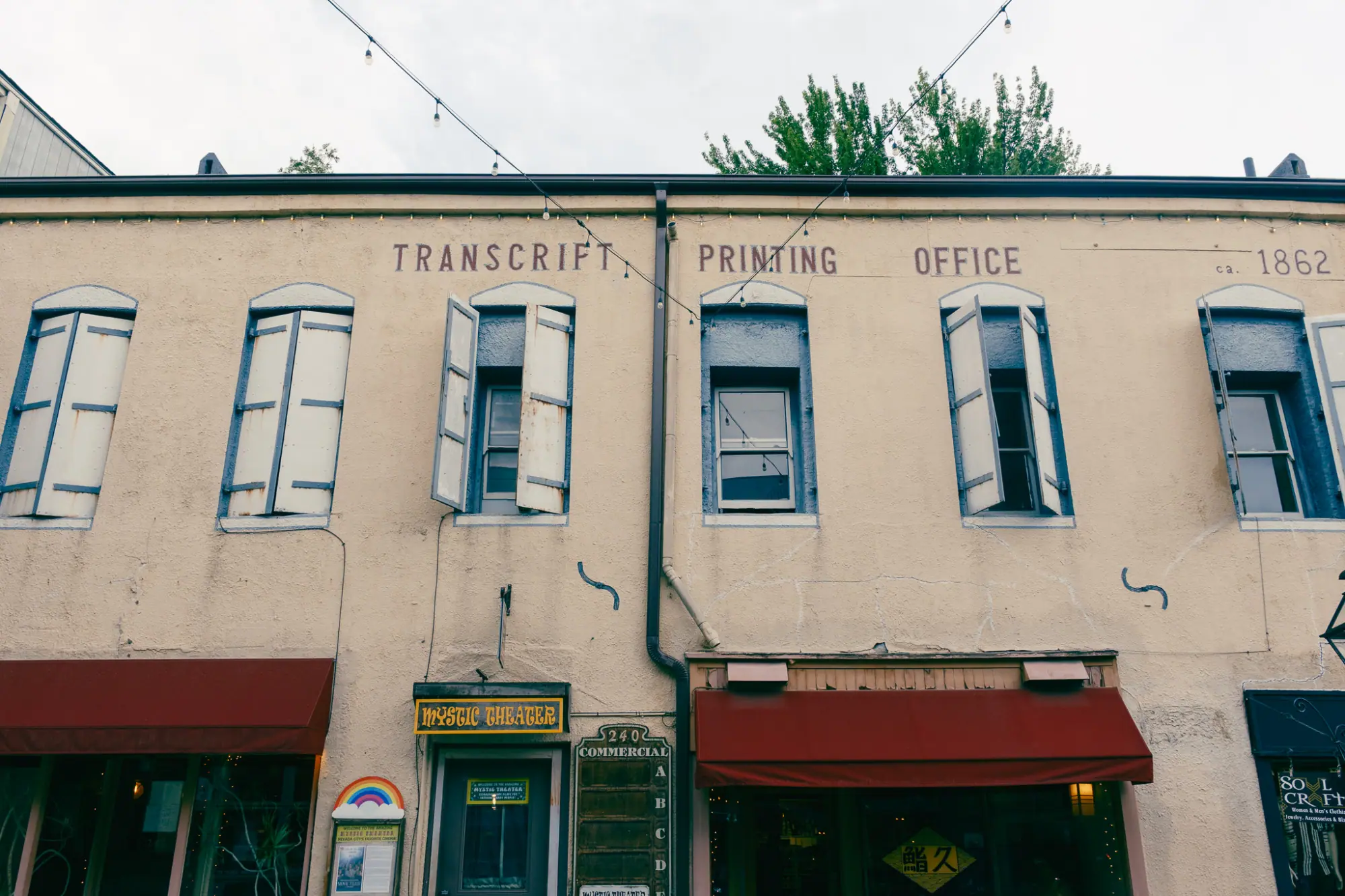
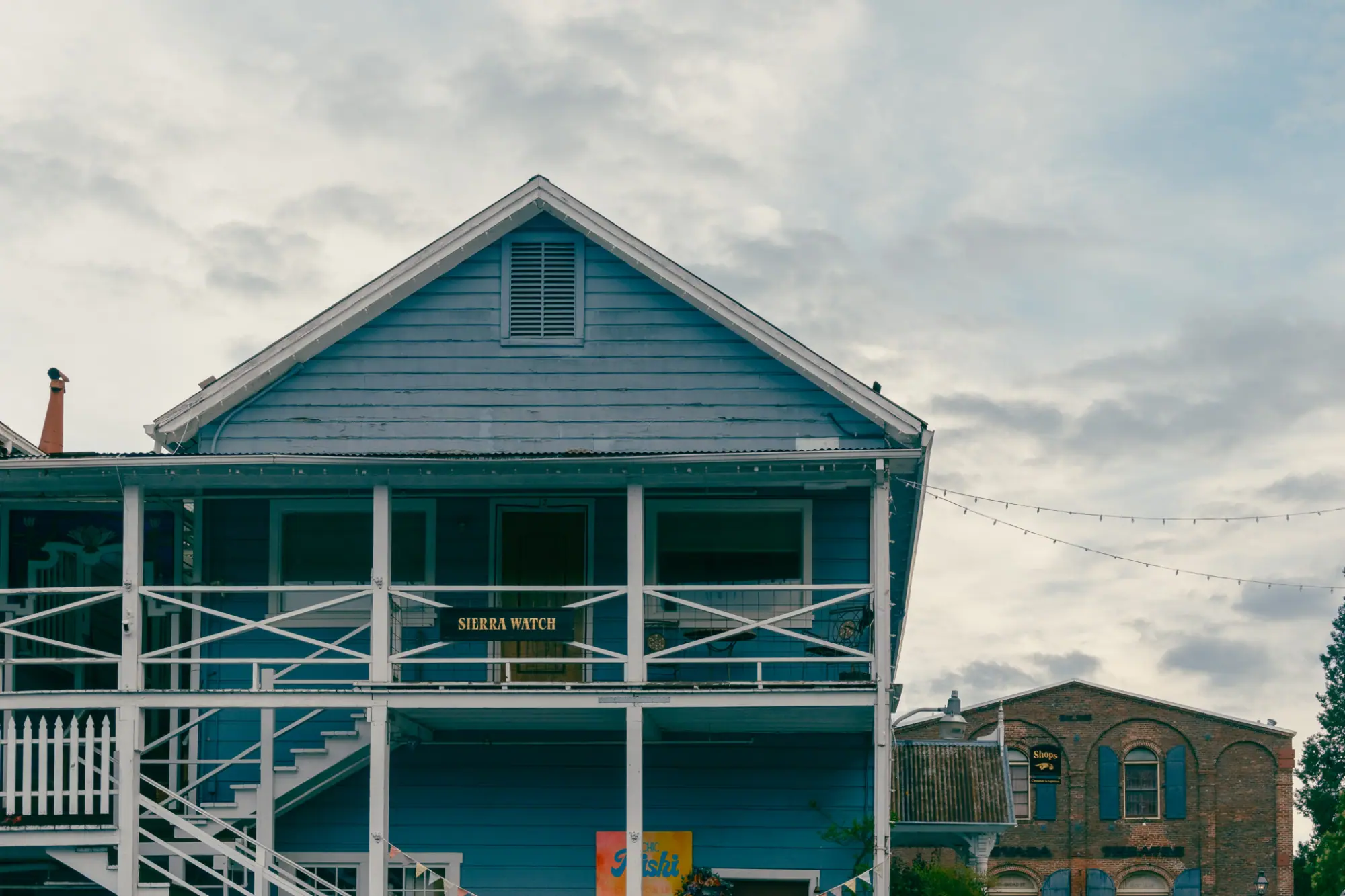
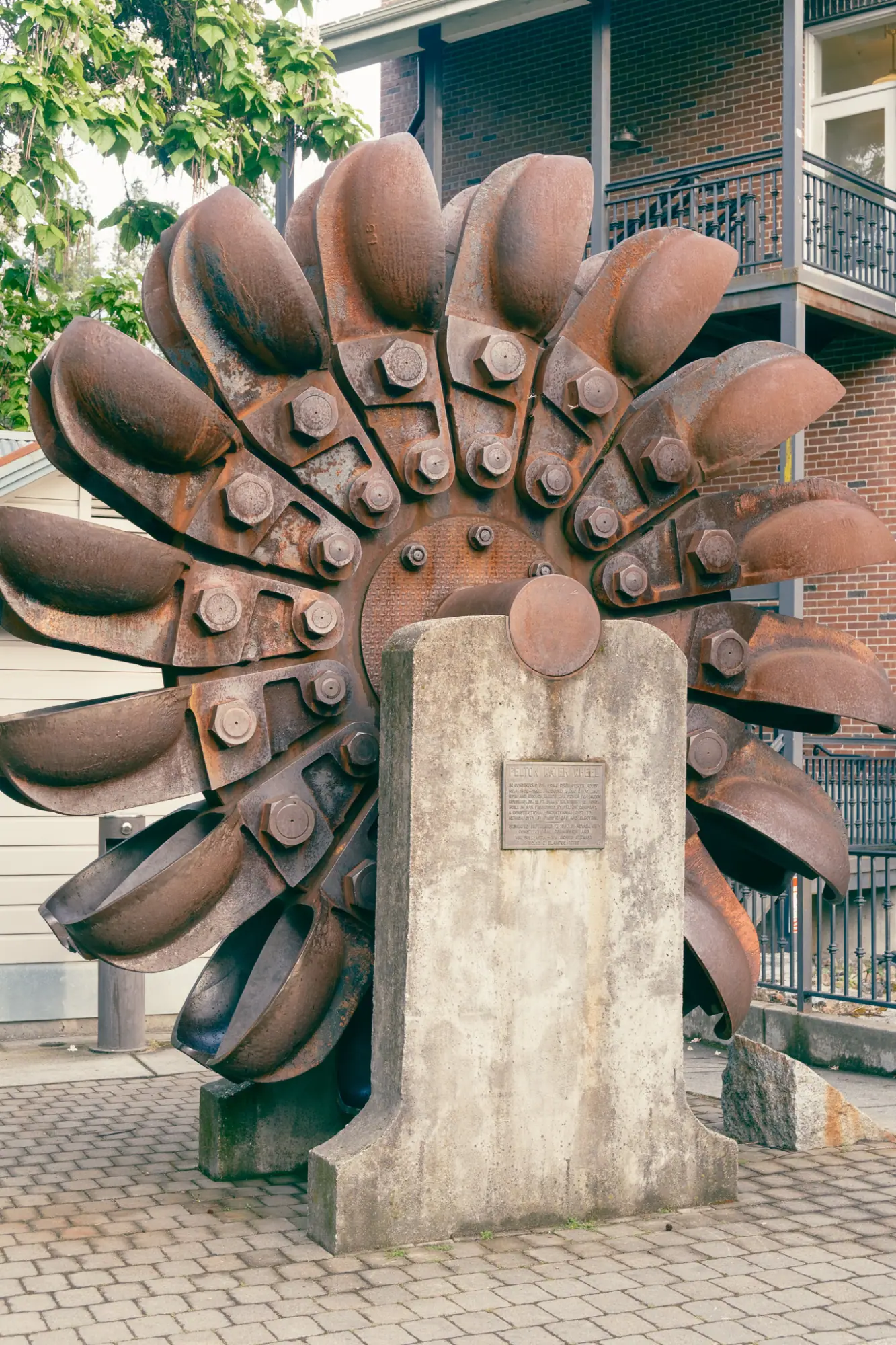
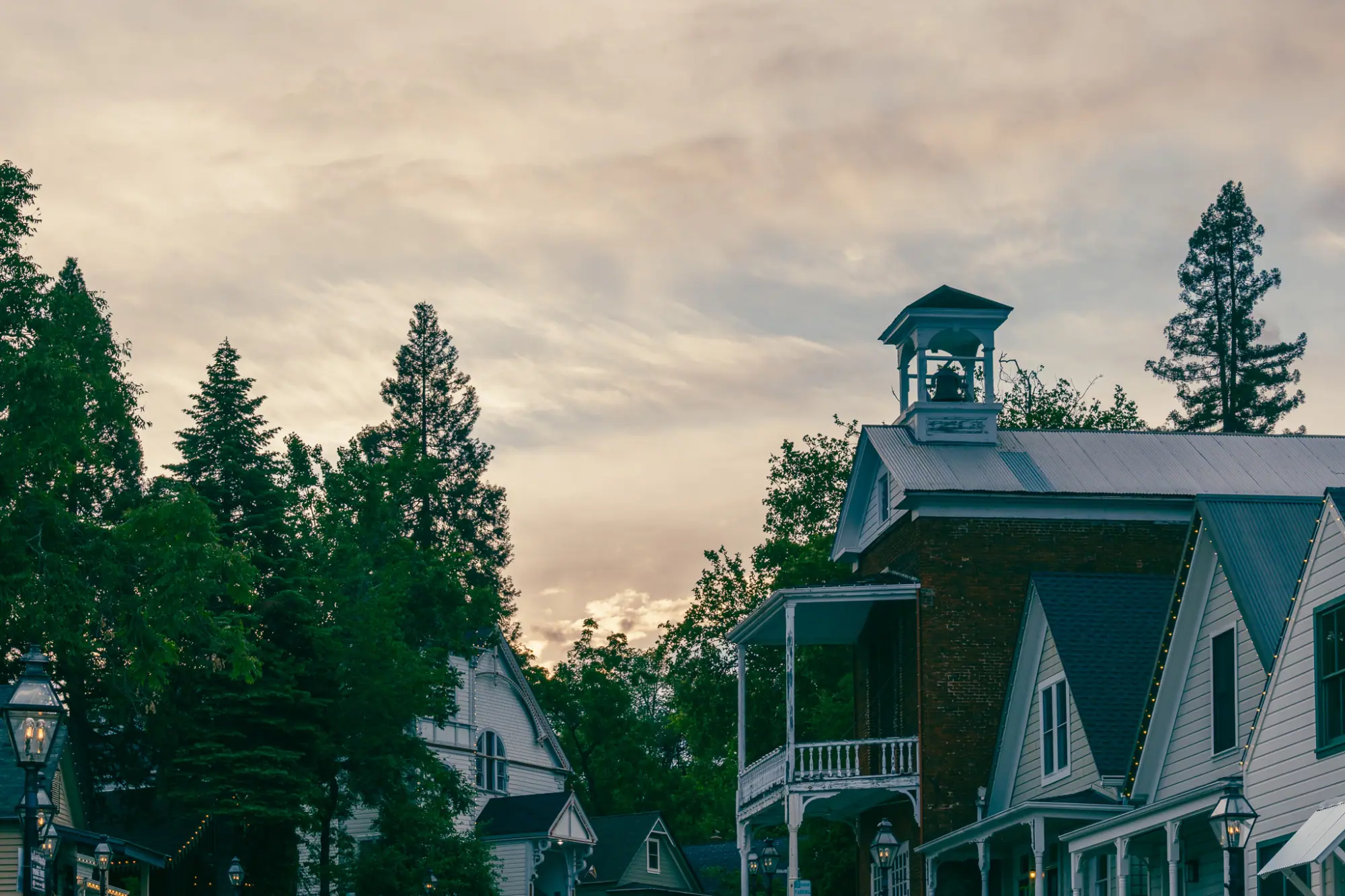
The one that stopped me was the Chinese Monument at the top of Commercial Street, honoring the Chinese pioneers of Nevada County. It is simple: a large stone, a small fountain, and plaques in both English and Chinese. Commercial Street was once the heart of the town's Chinese Quarter, and in the early 1850s more than 3,000 Chinese people lived in the county. As a Chinese American, standing there meant more to me than I expected. It is one thing to know that Chinese immigrants were part of the Gold Rush story. It is another to stand on the street where they actually lived and worked.
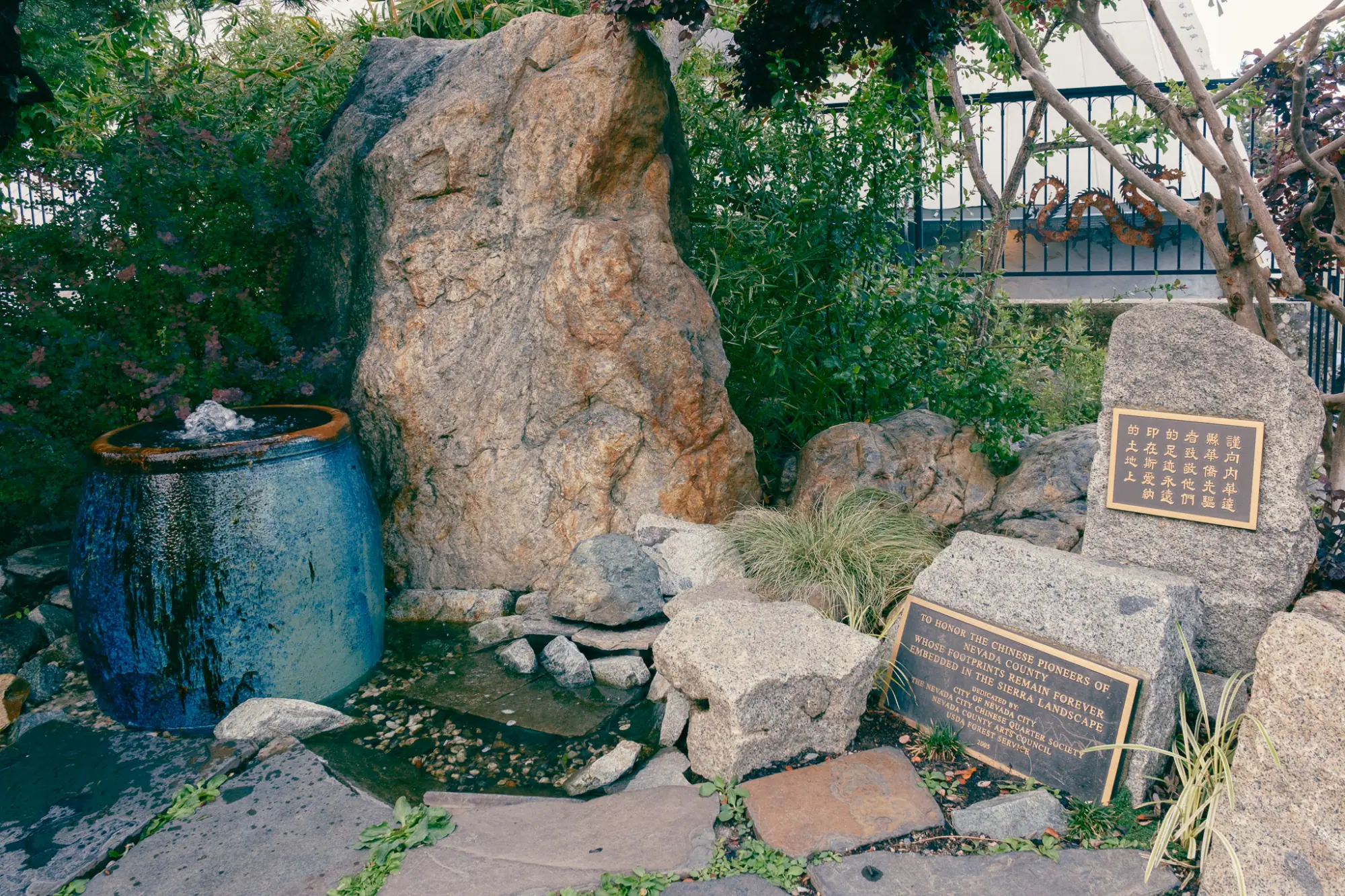
Day Two:
Empire Mine, Grass Valley, and the Bridgeport Covered Bridge
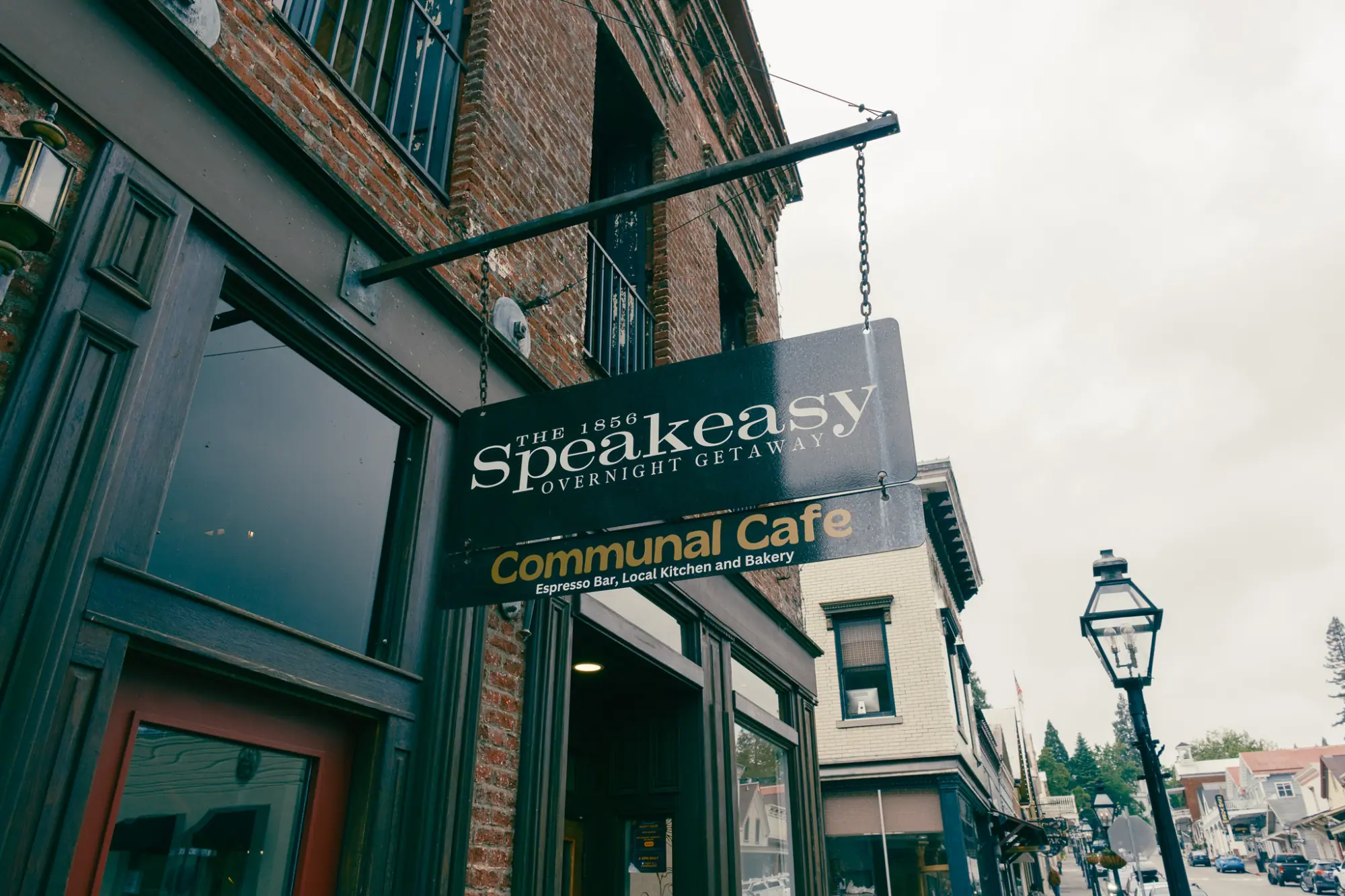
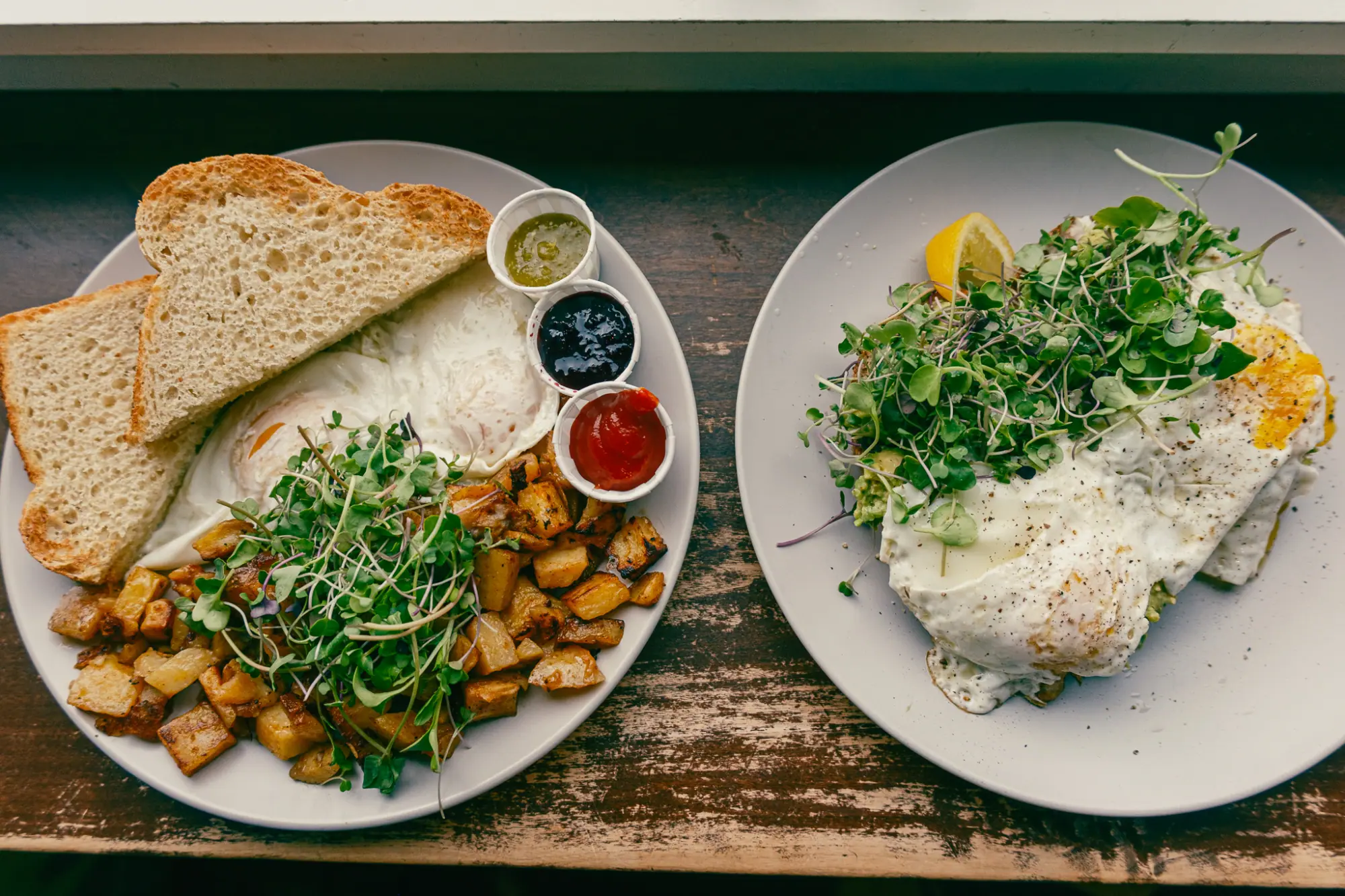
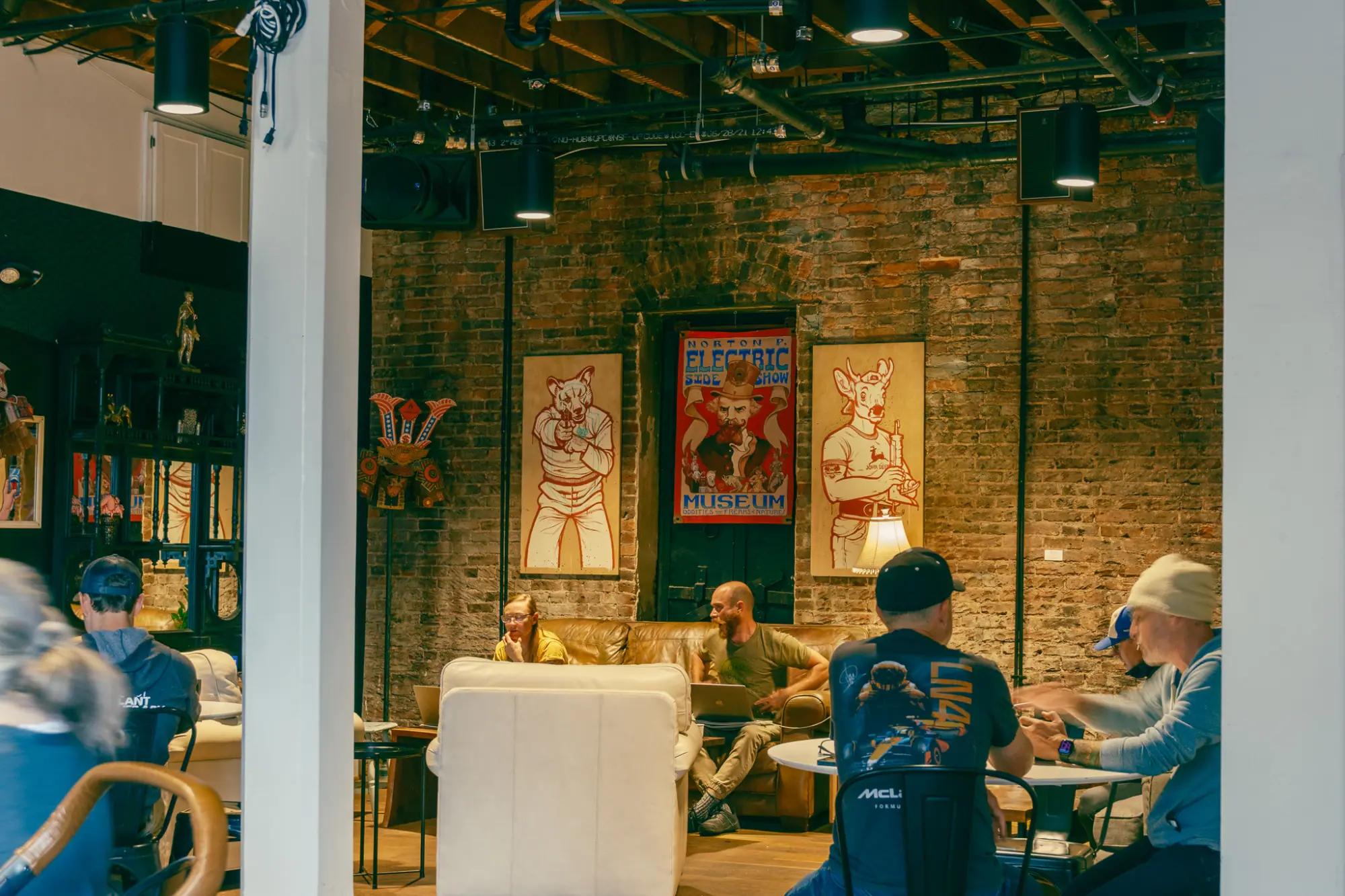
We started the morning with breakfast at Speakeasy Communal Cafe in Nevada City before driving a few minutes south to Empire Mine State Historic Park.
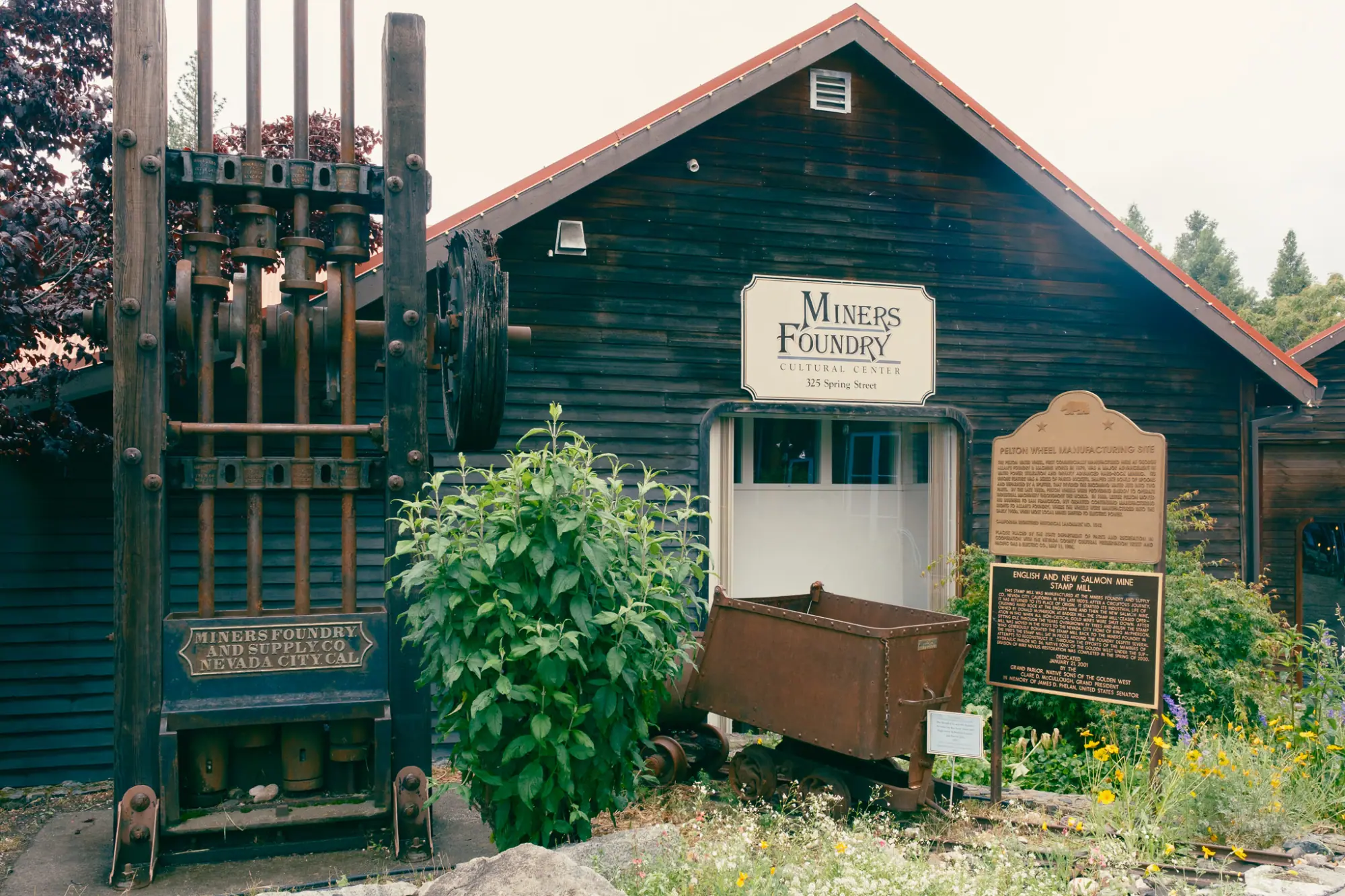
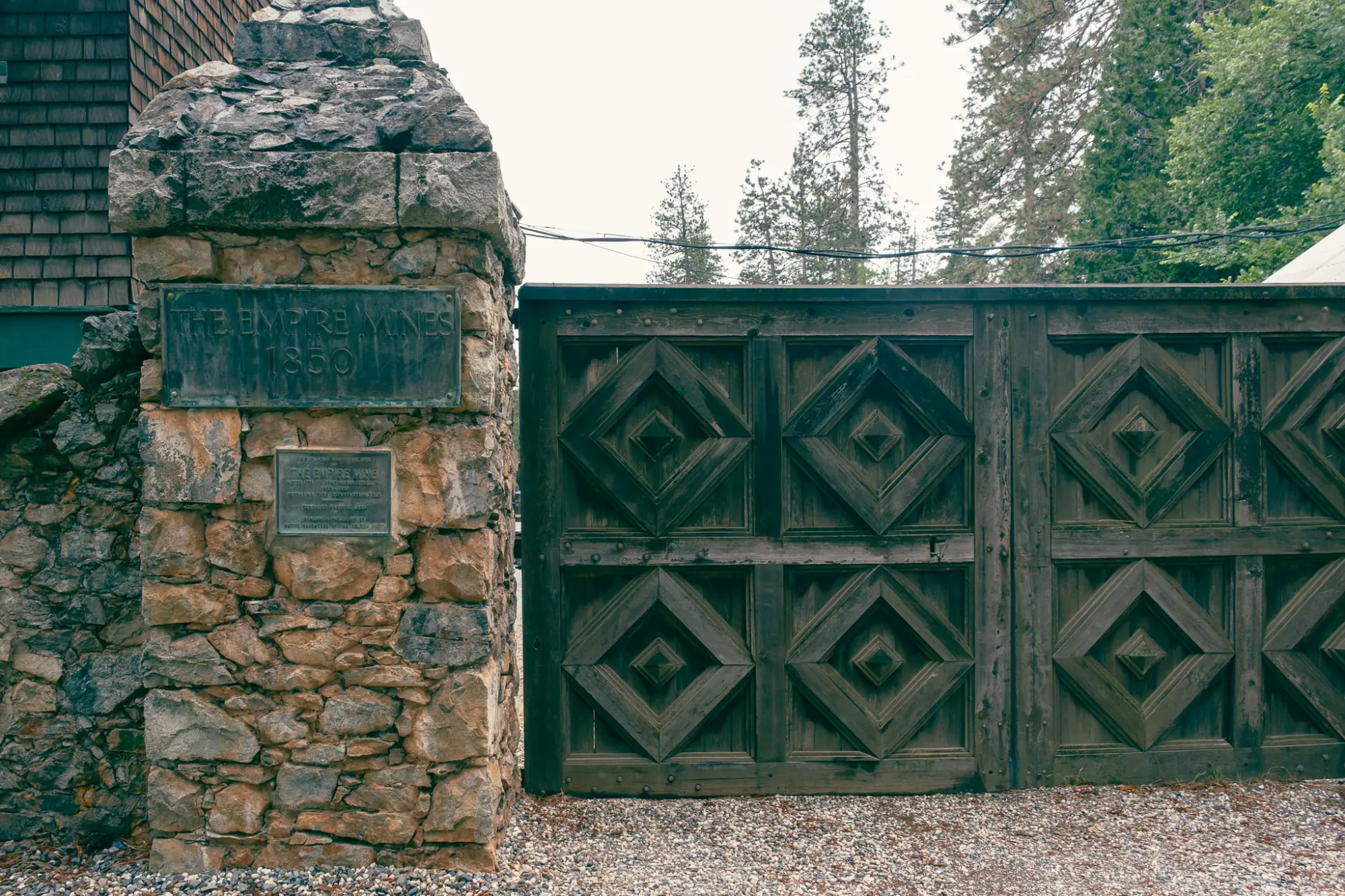
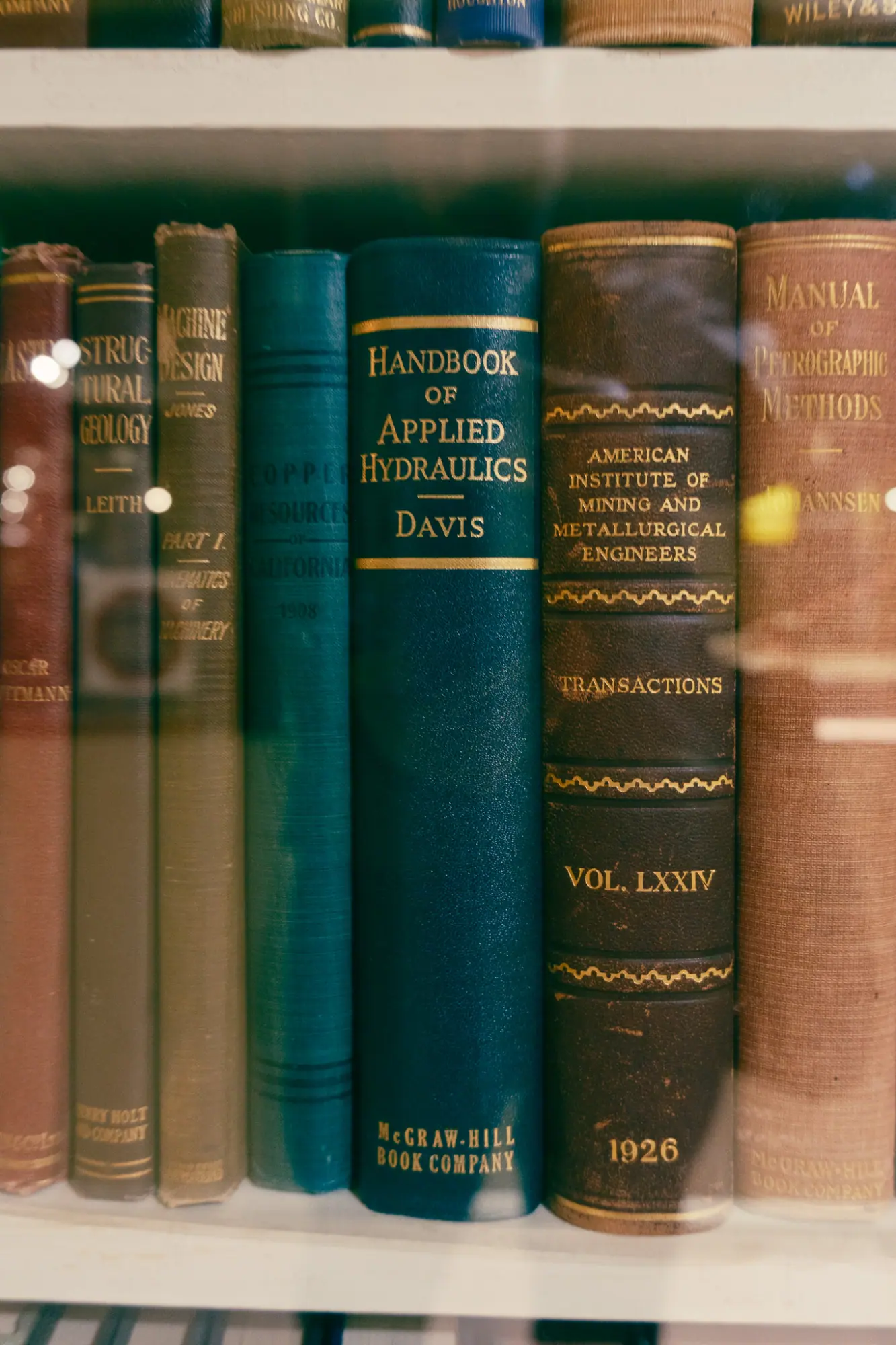
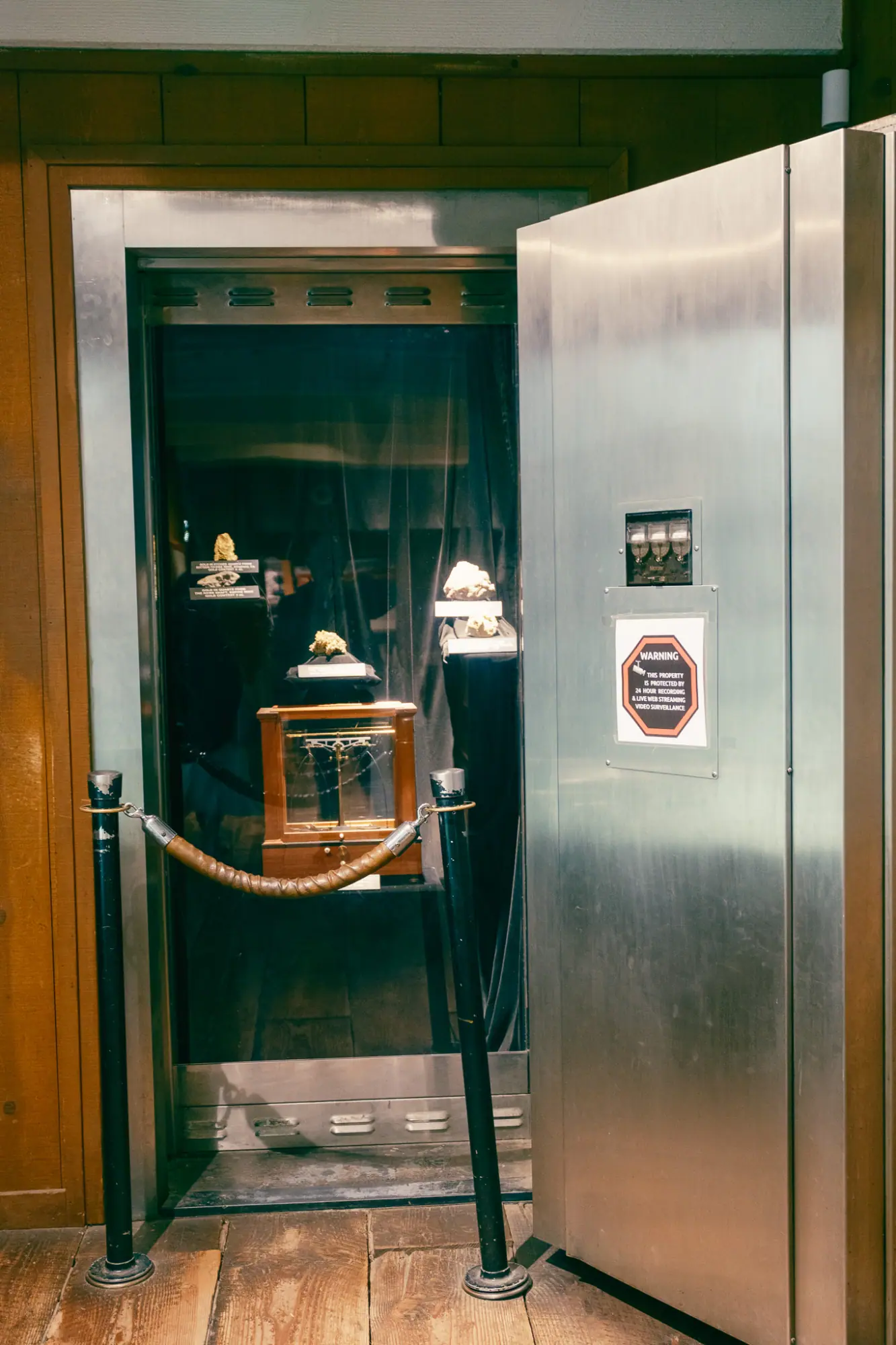
The Empire was one of the oldest, largest, and richest gold mines in California, operating for more than a century before closing in 1956. Below the grounds sit 367 miles of tunnels. We spent time in the museum first, which did a great job grounding everything we were about to see: who worked here, how the ore came up, and how much the operation changed the region.
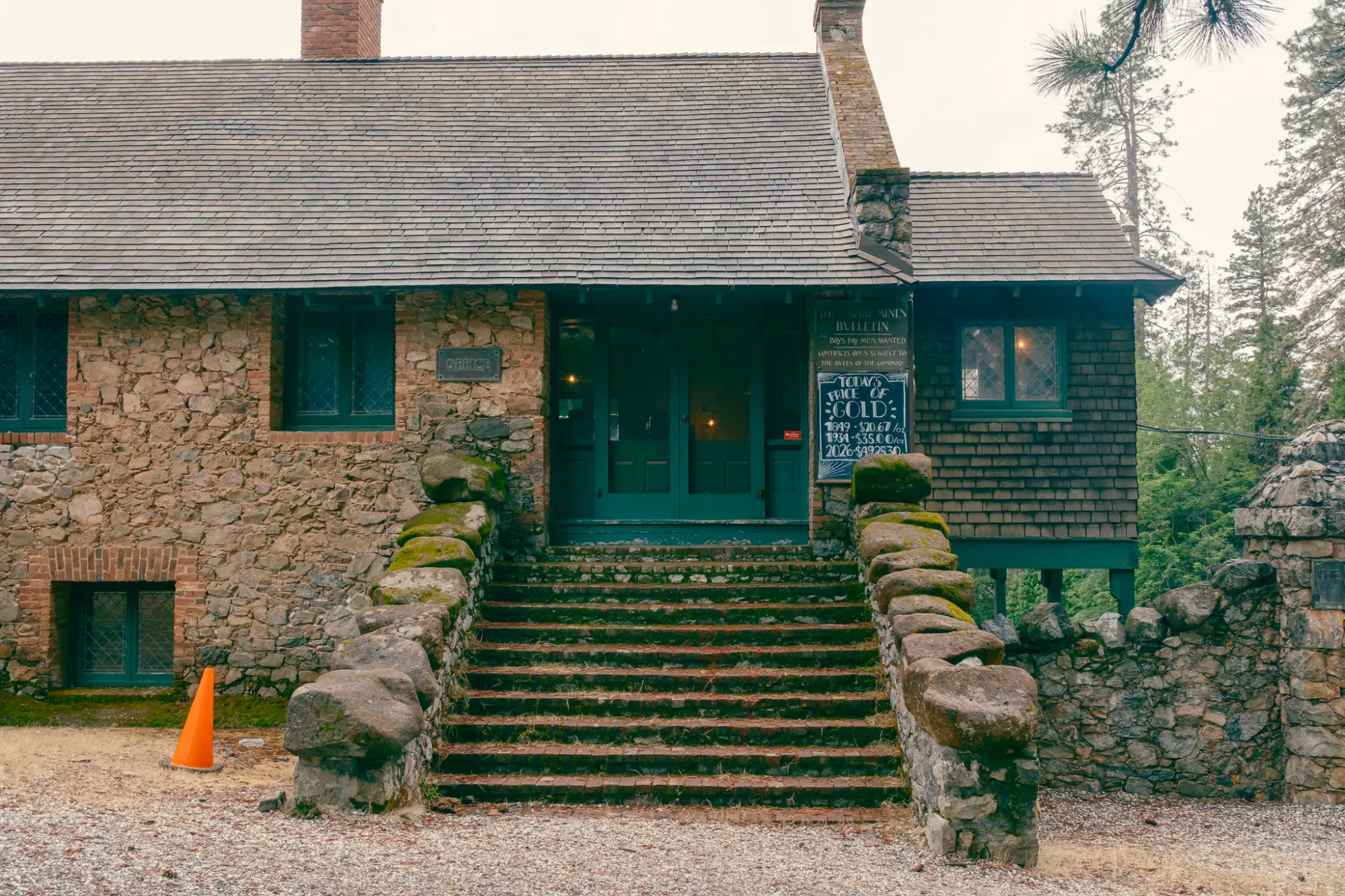
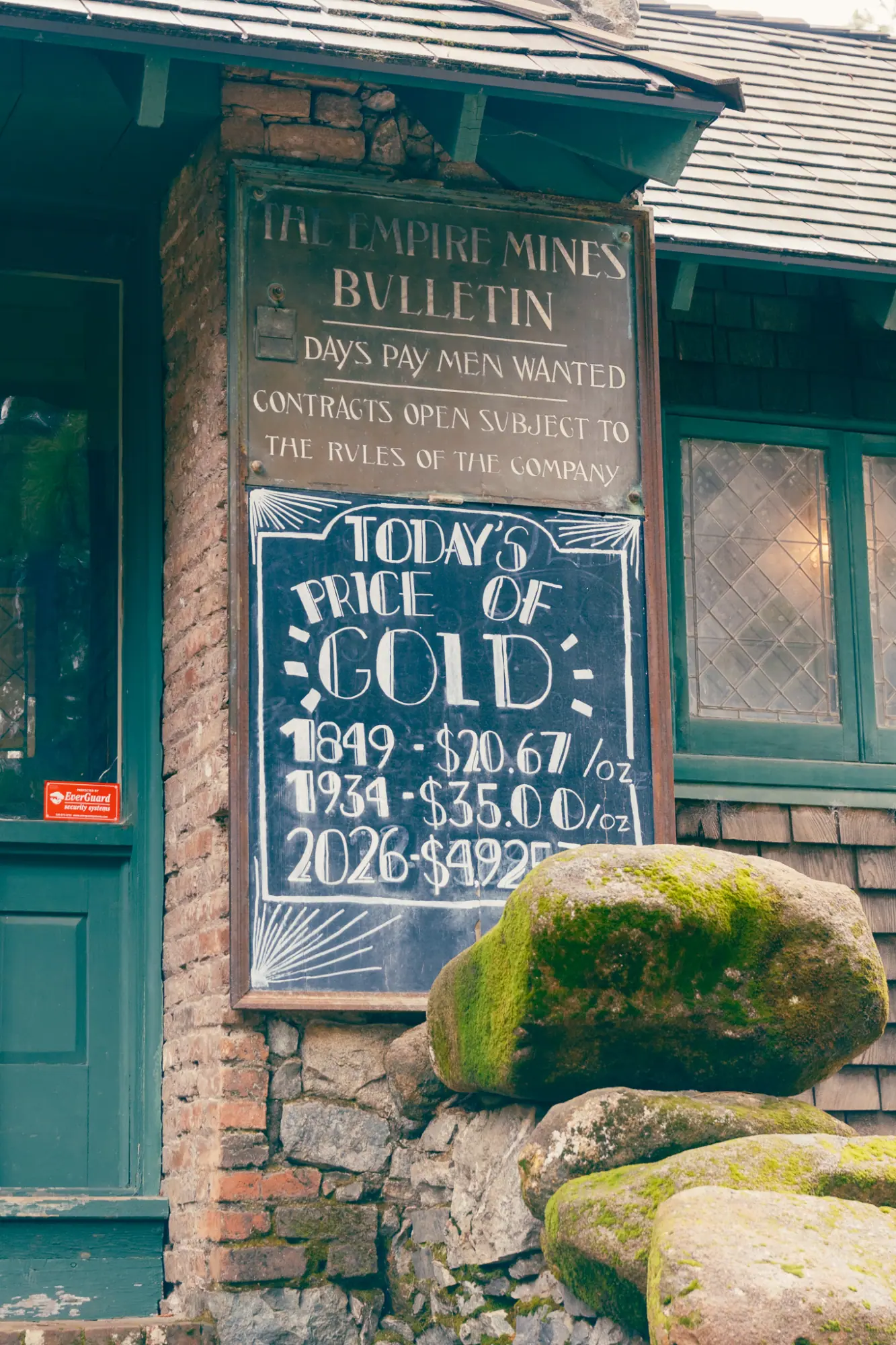
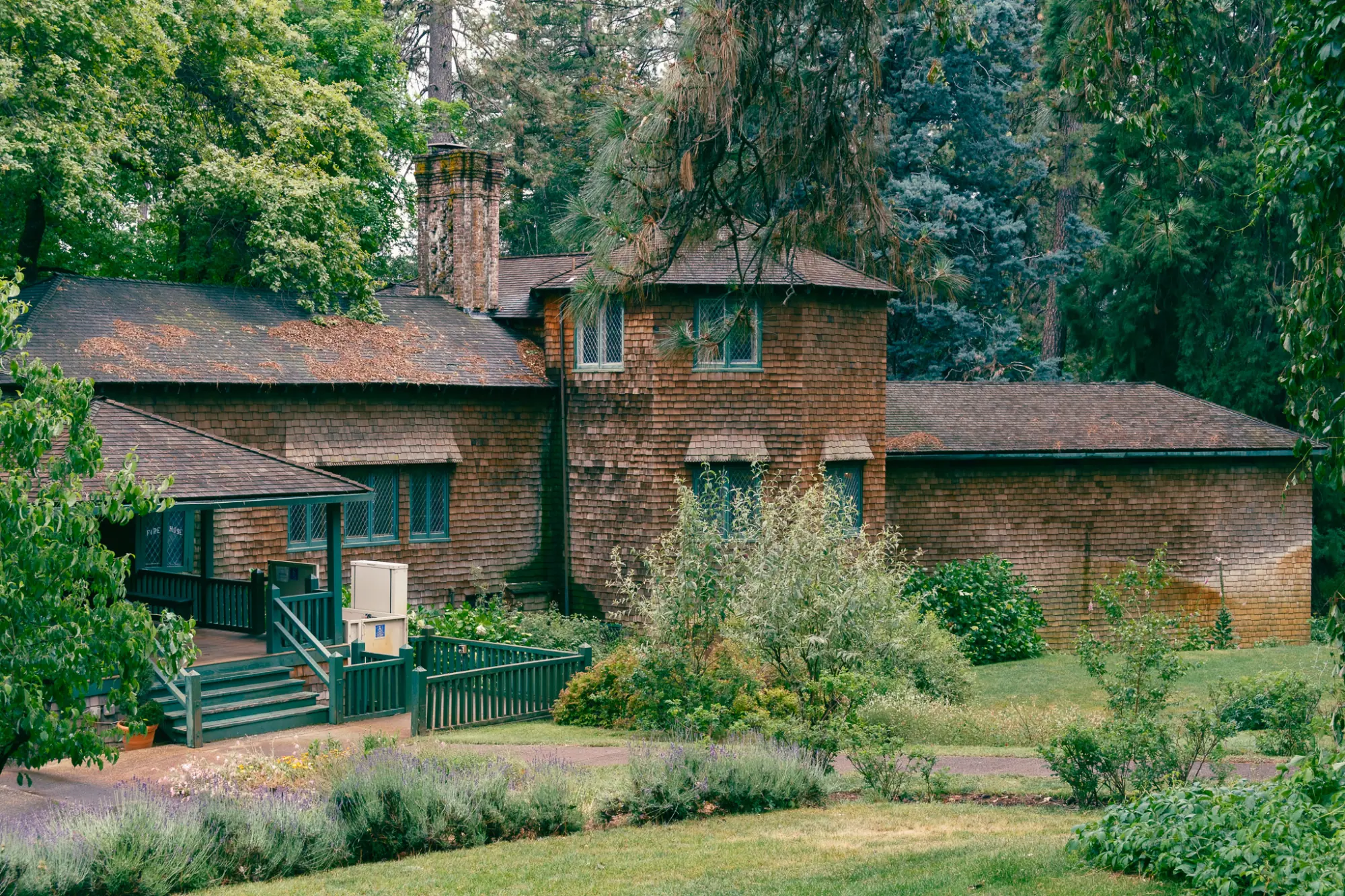
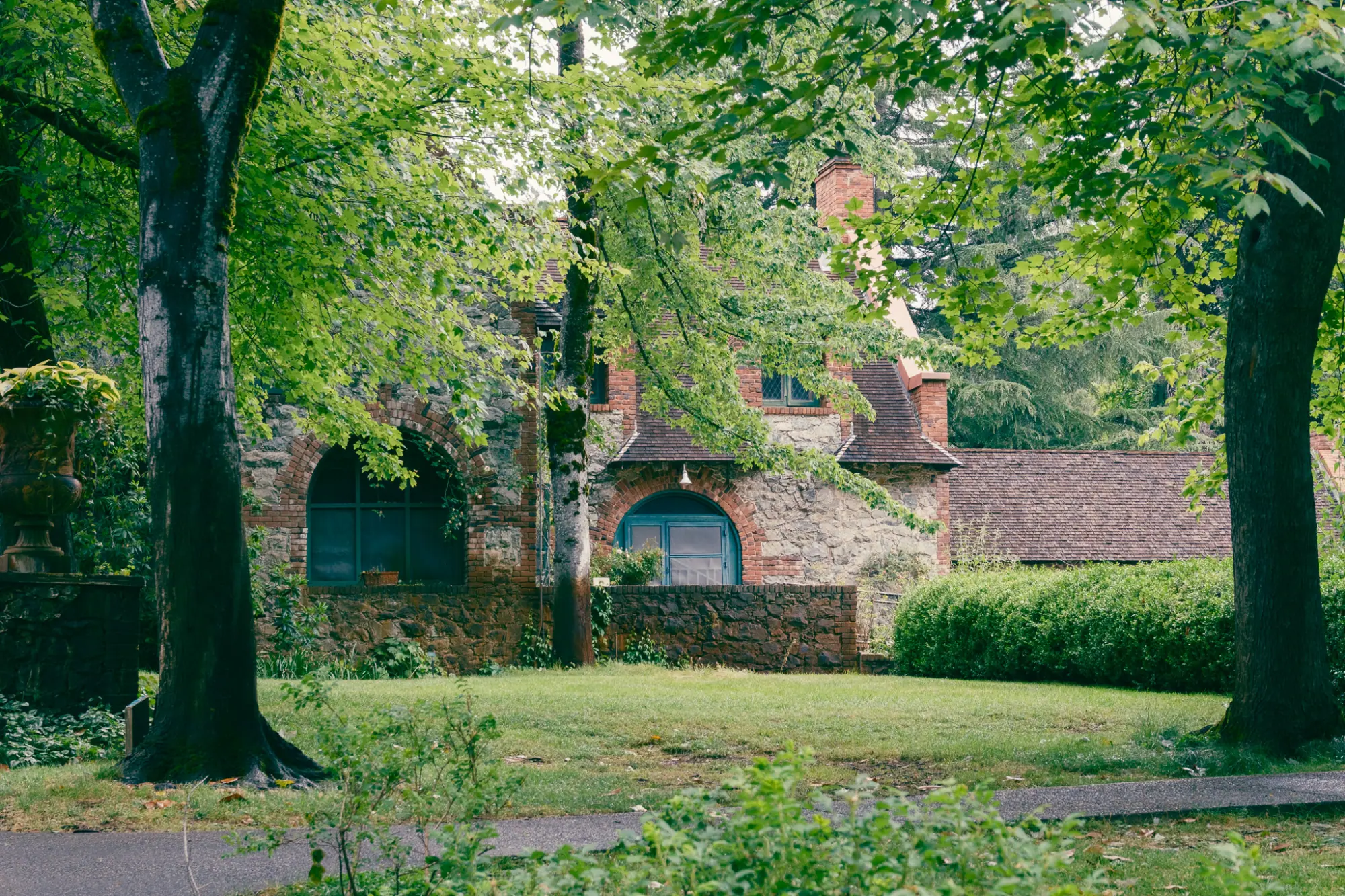
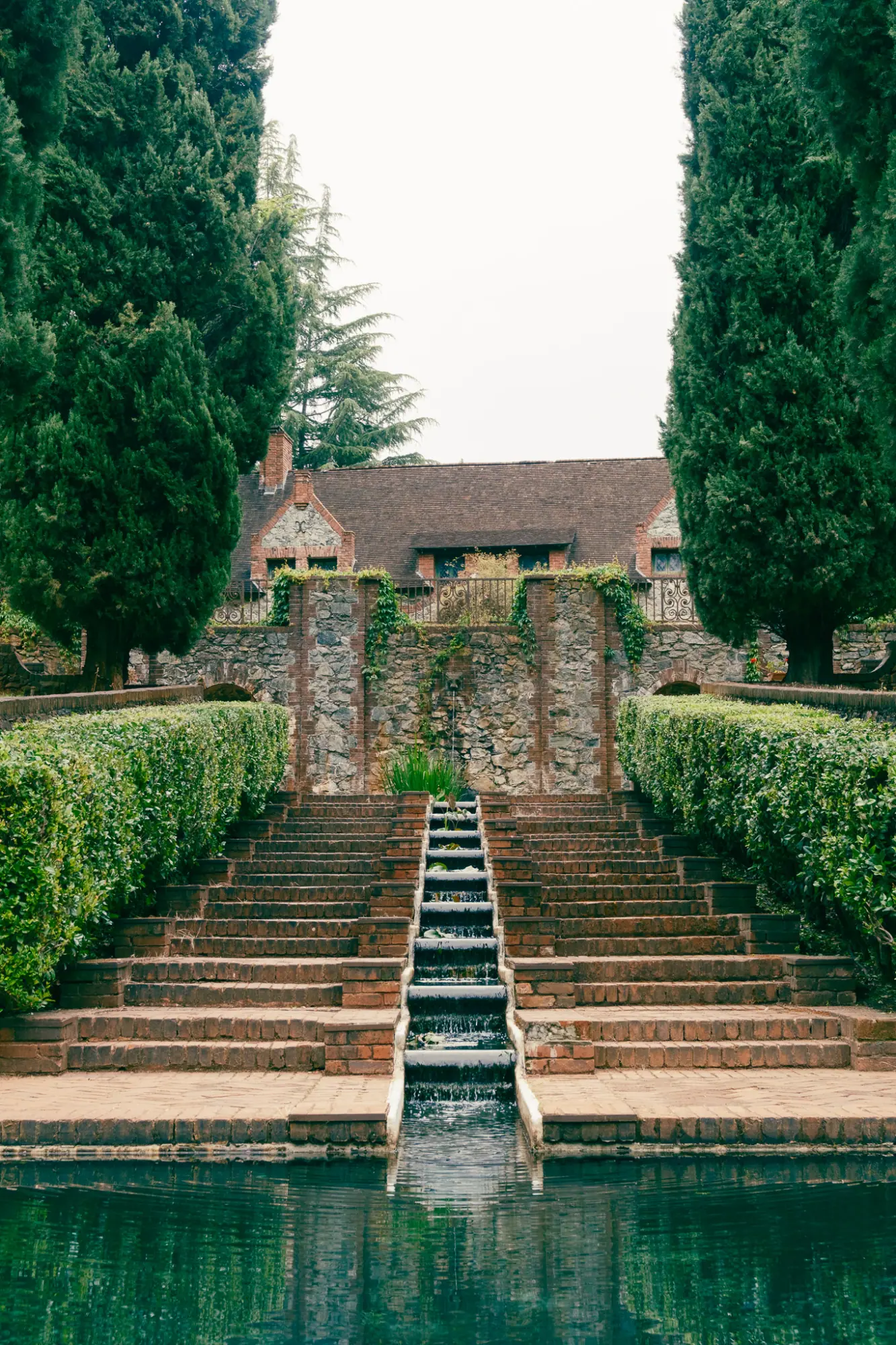
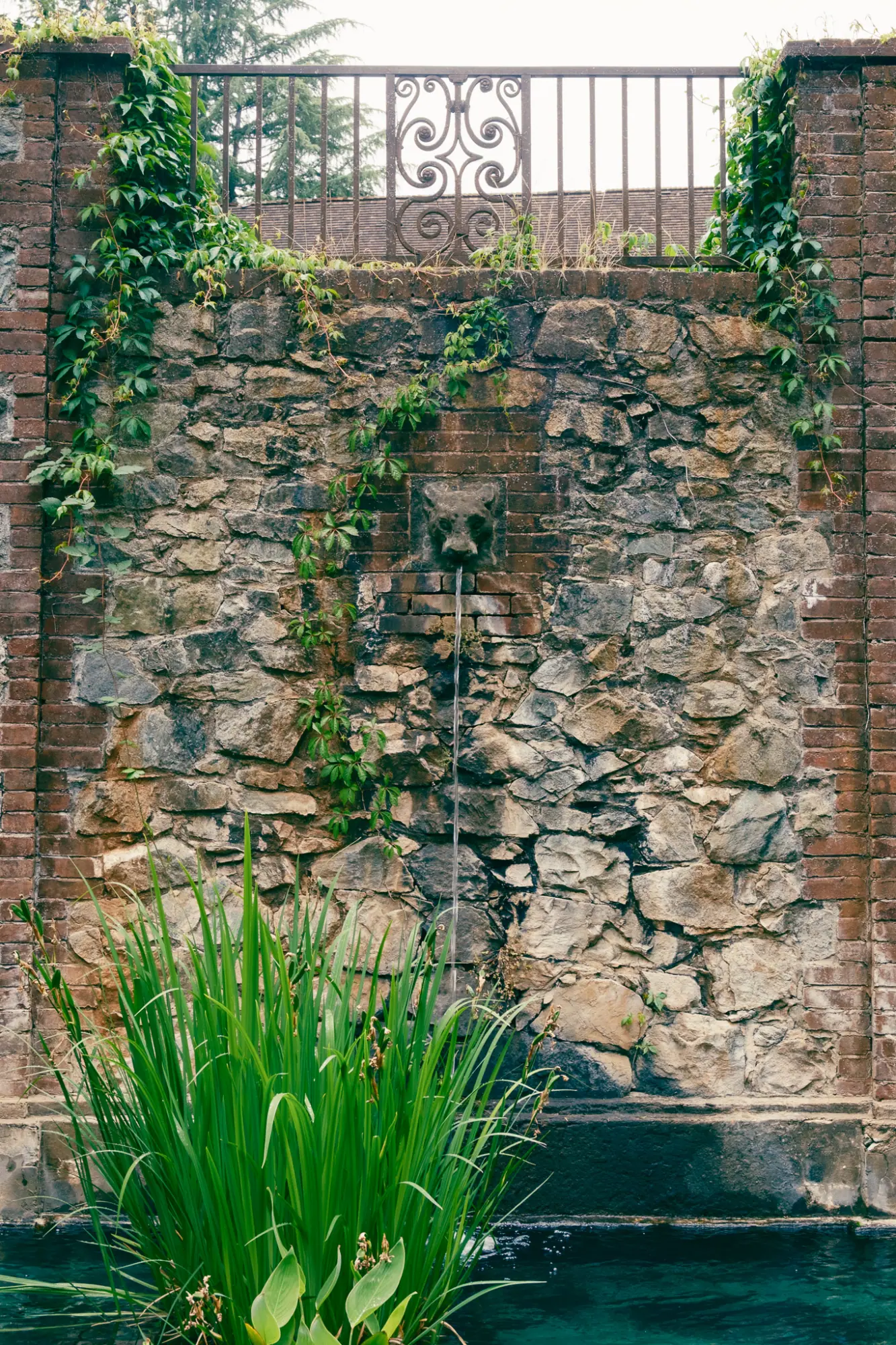
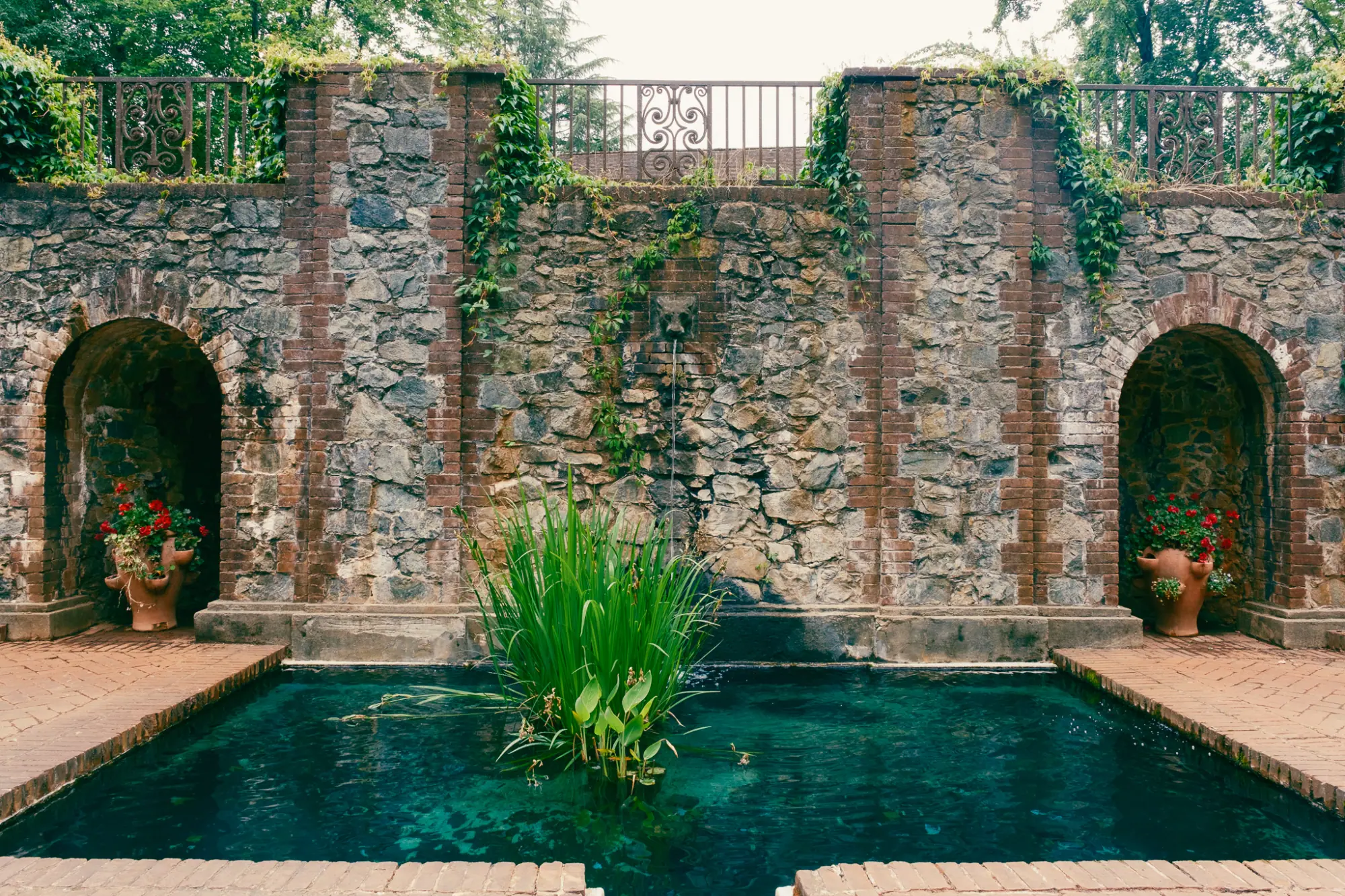
Before our walking tour, we strolled the grounds of the Bourn Cottage, the estate of mine owner William Bourn Jr. It was designed by architect Willis Polk and built from the mine's own waste rock, surrounded by gardens, fountains, and a reflecting pool. The Bourn family only stayed there a few weeks out of the year. Walking those manicured gardens and then heading over to the mine yard made the contrast hard to miss. One life above ground, a very different one below it.
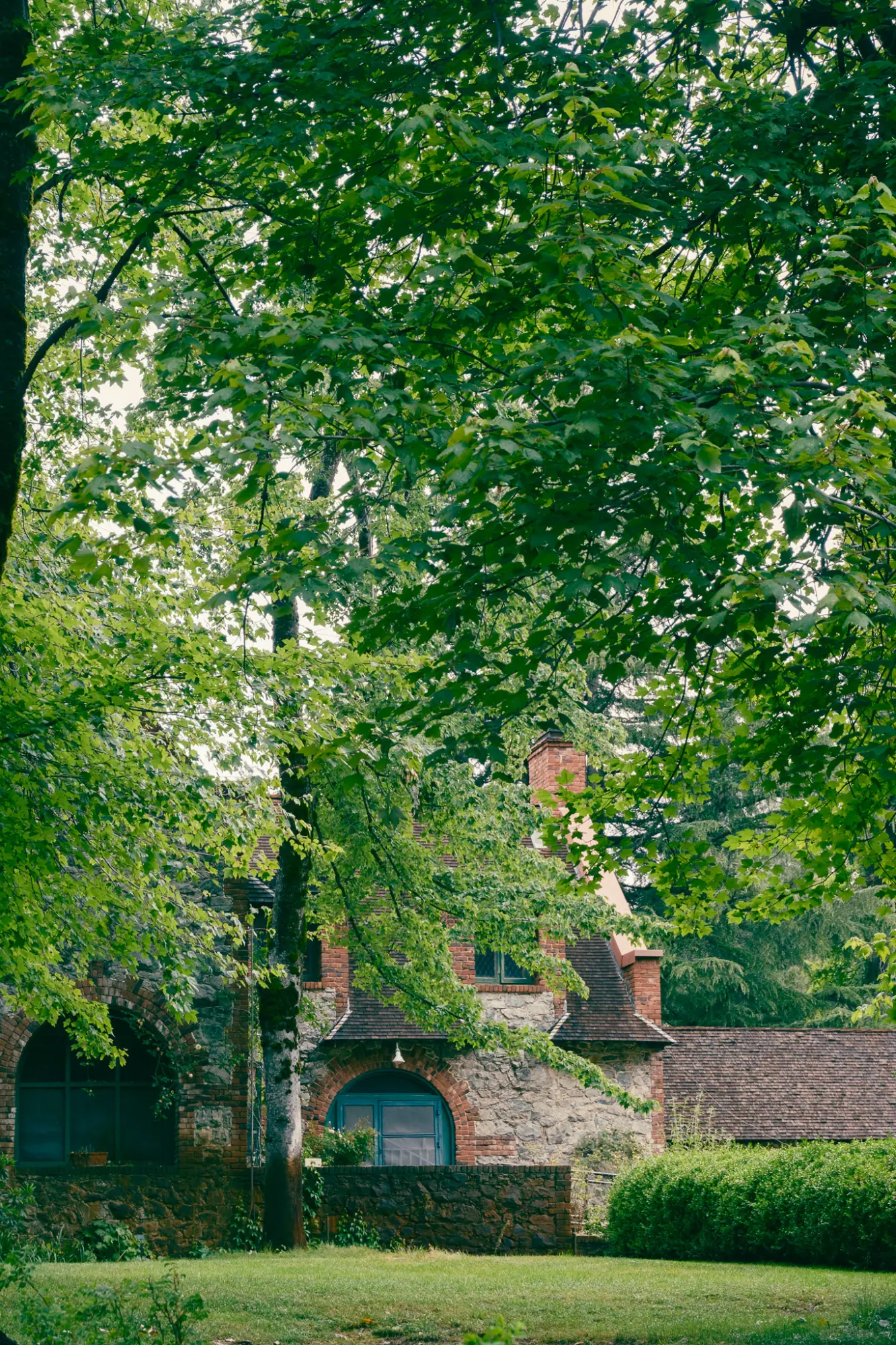
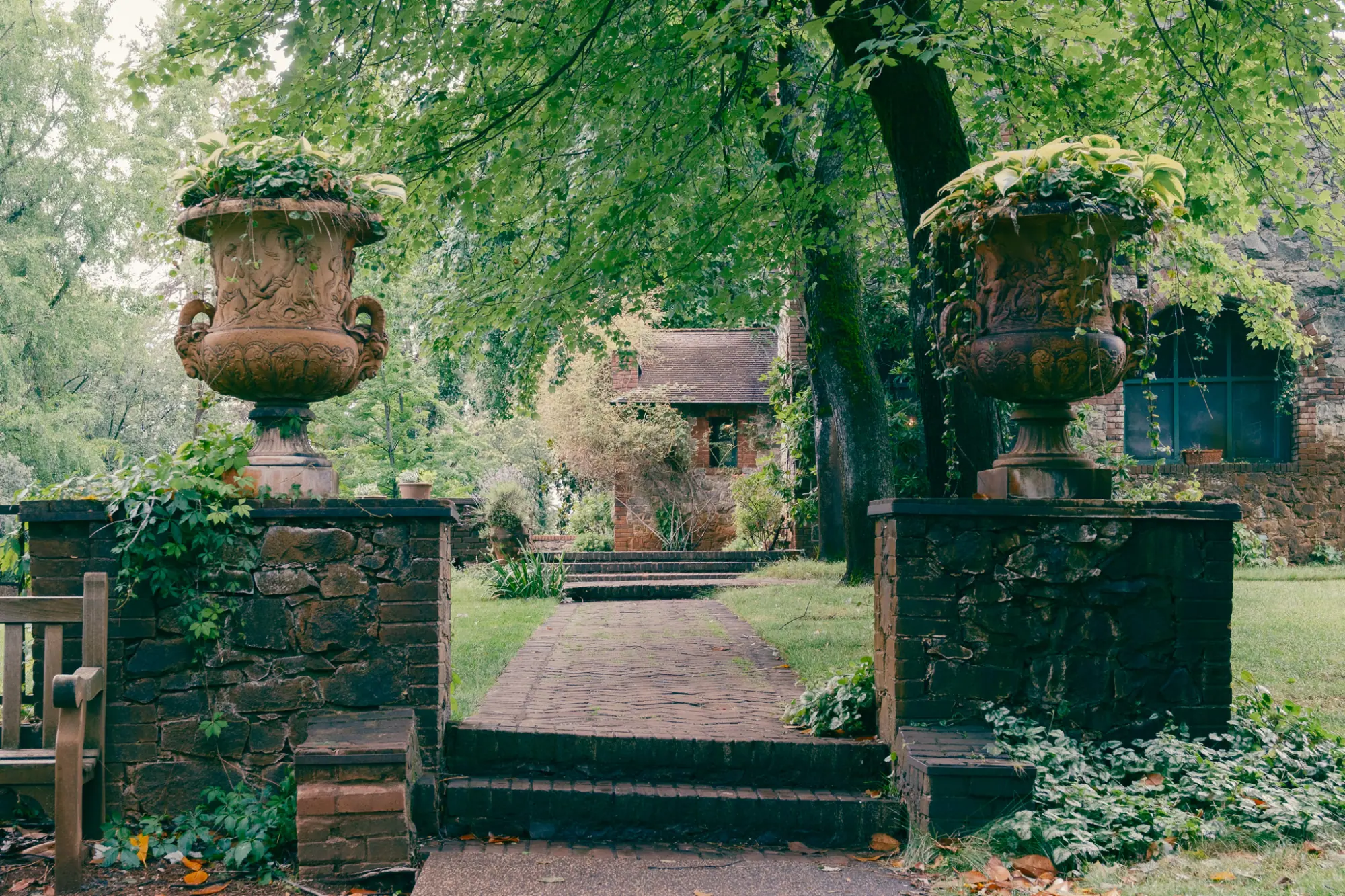
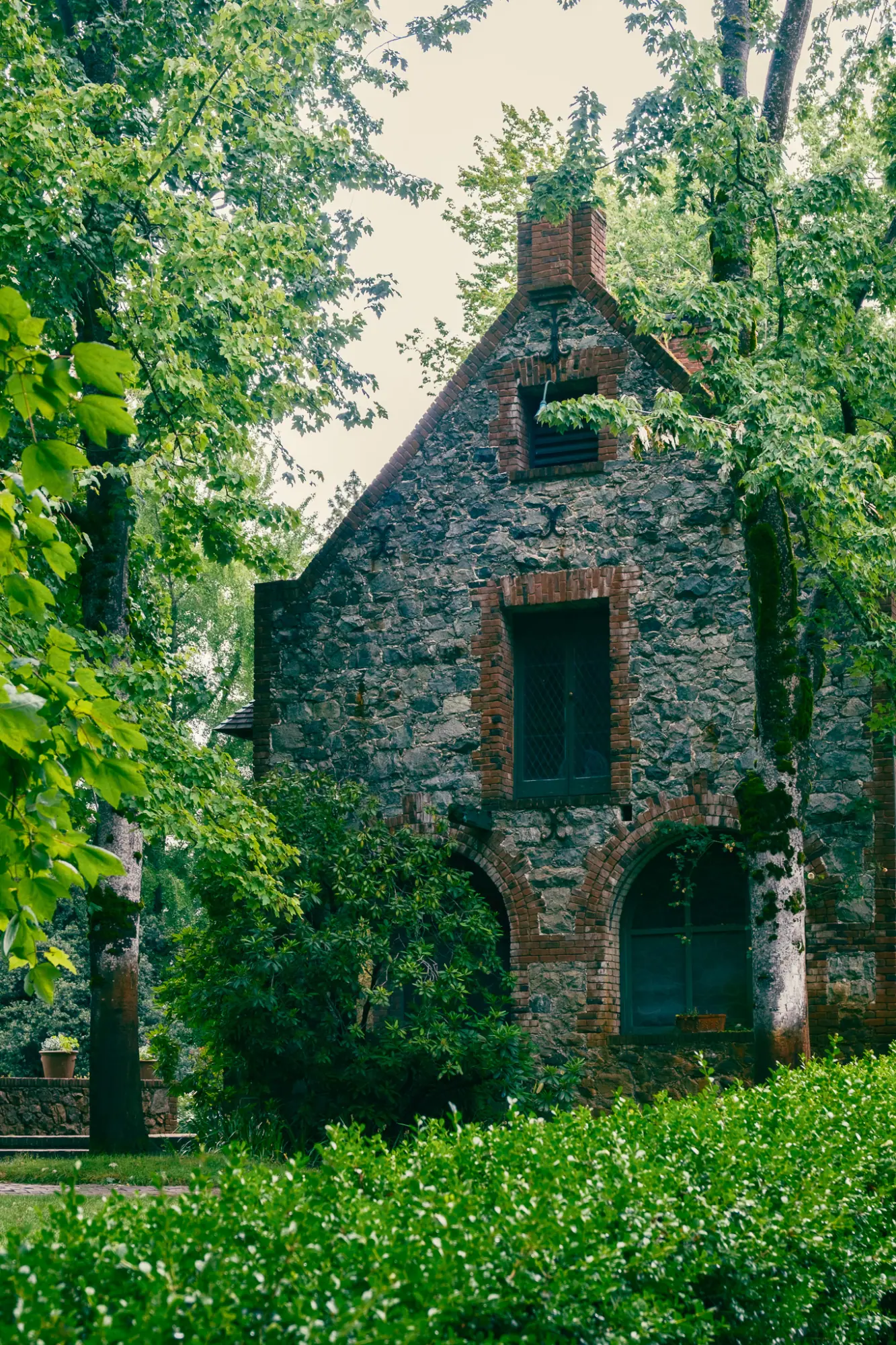
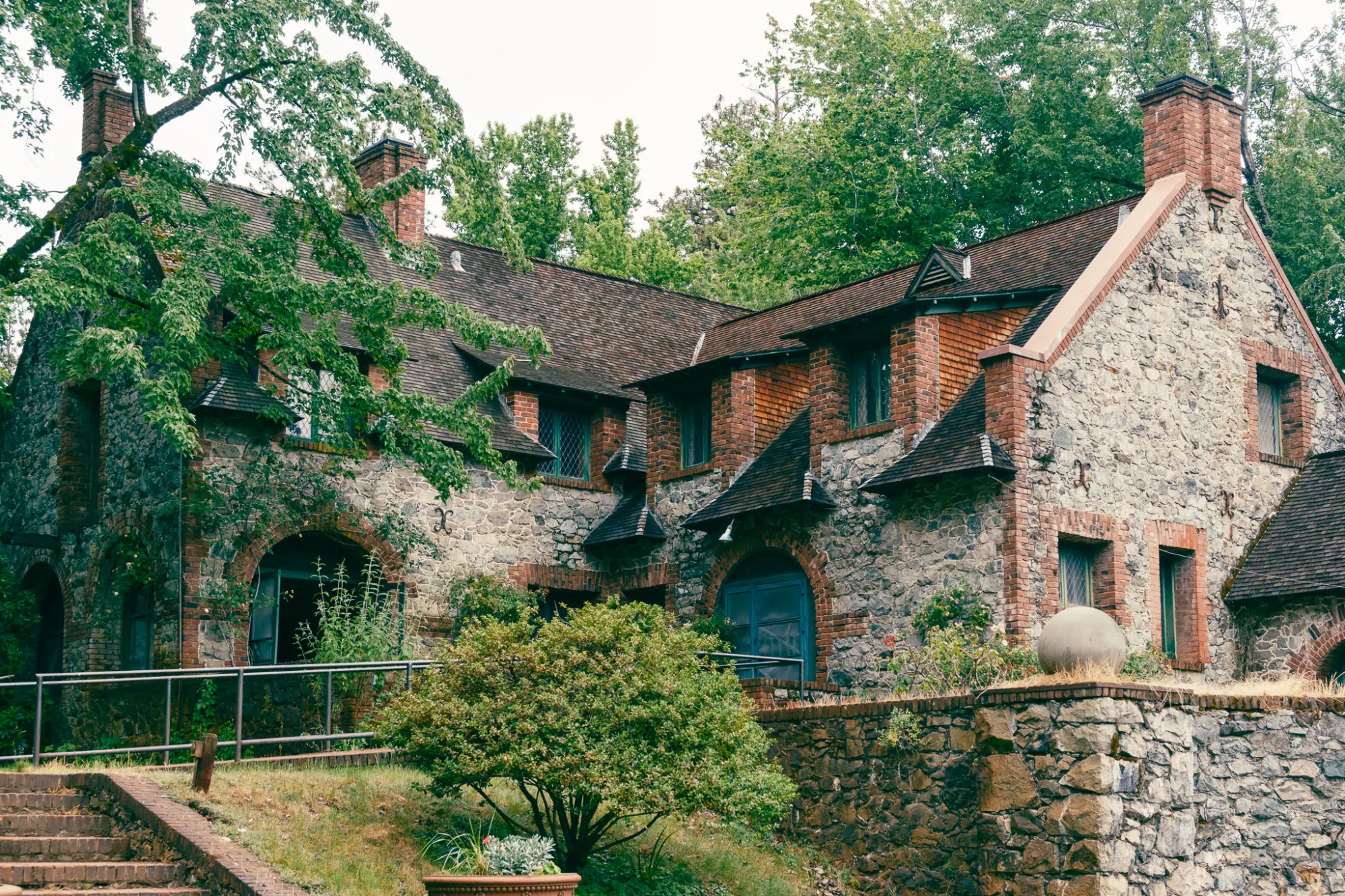
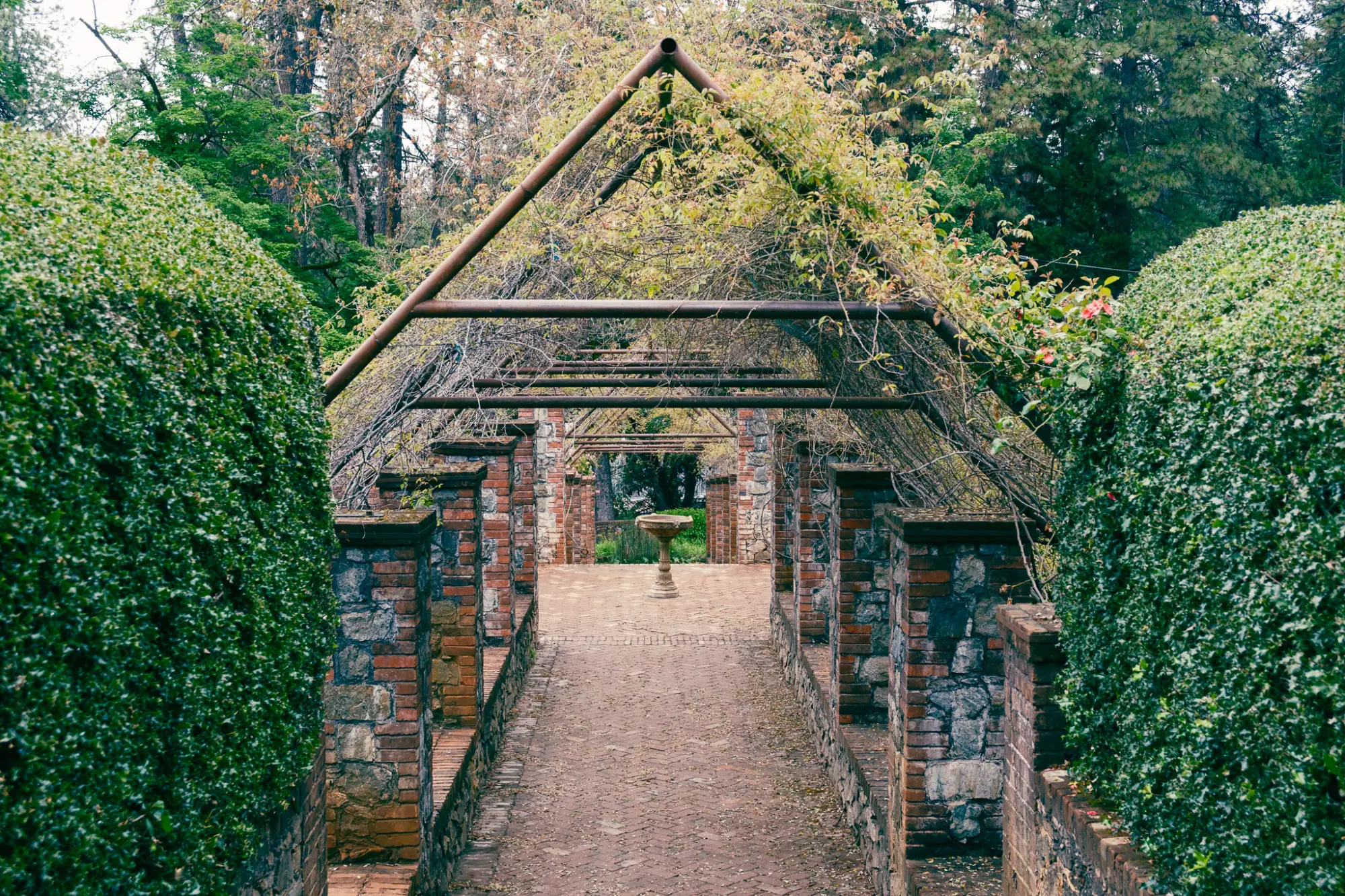
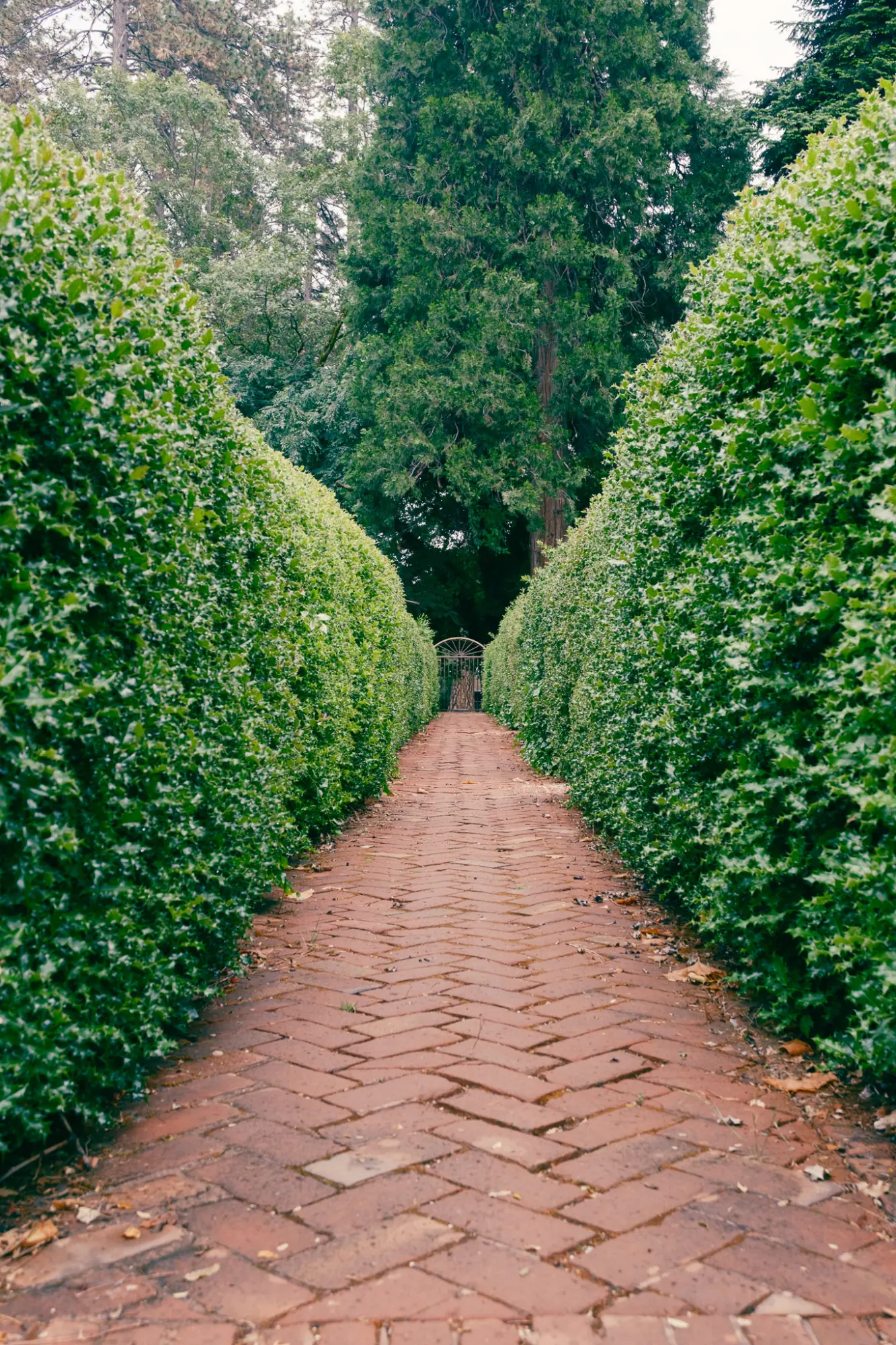
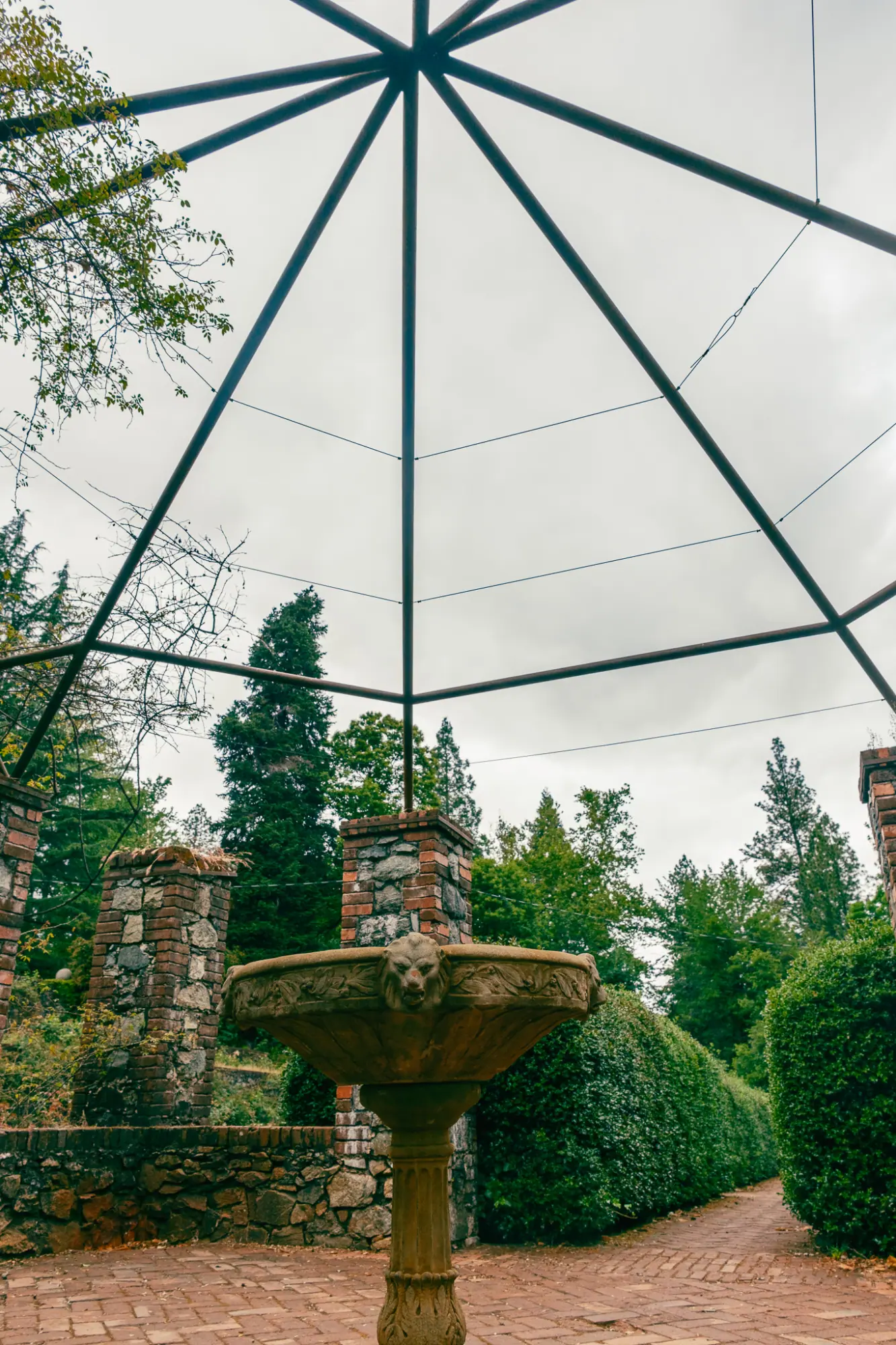
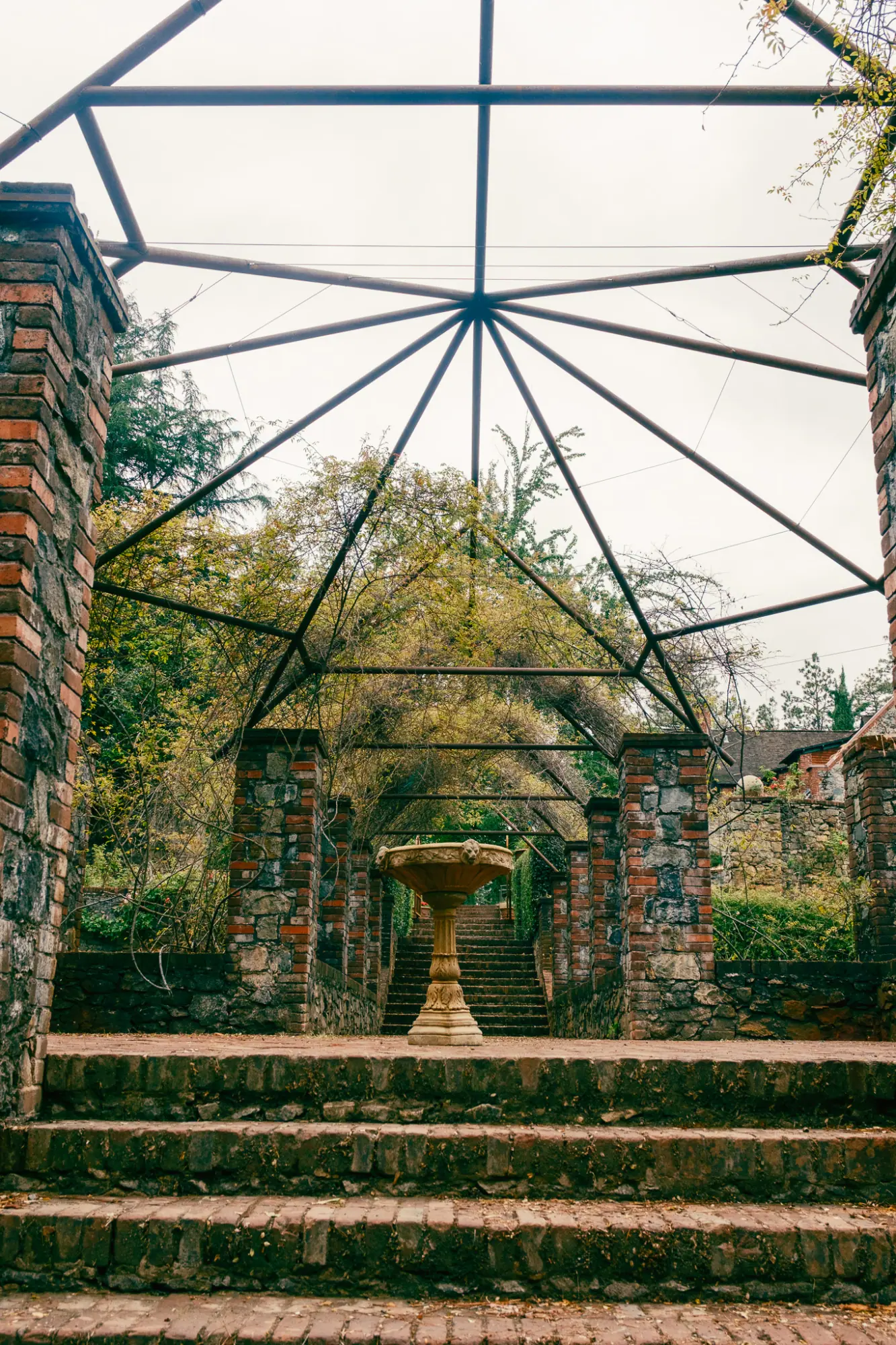
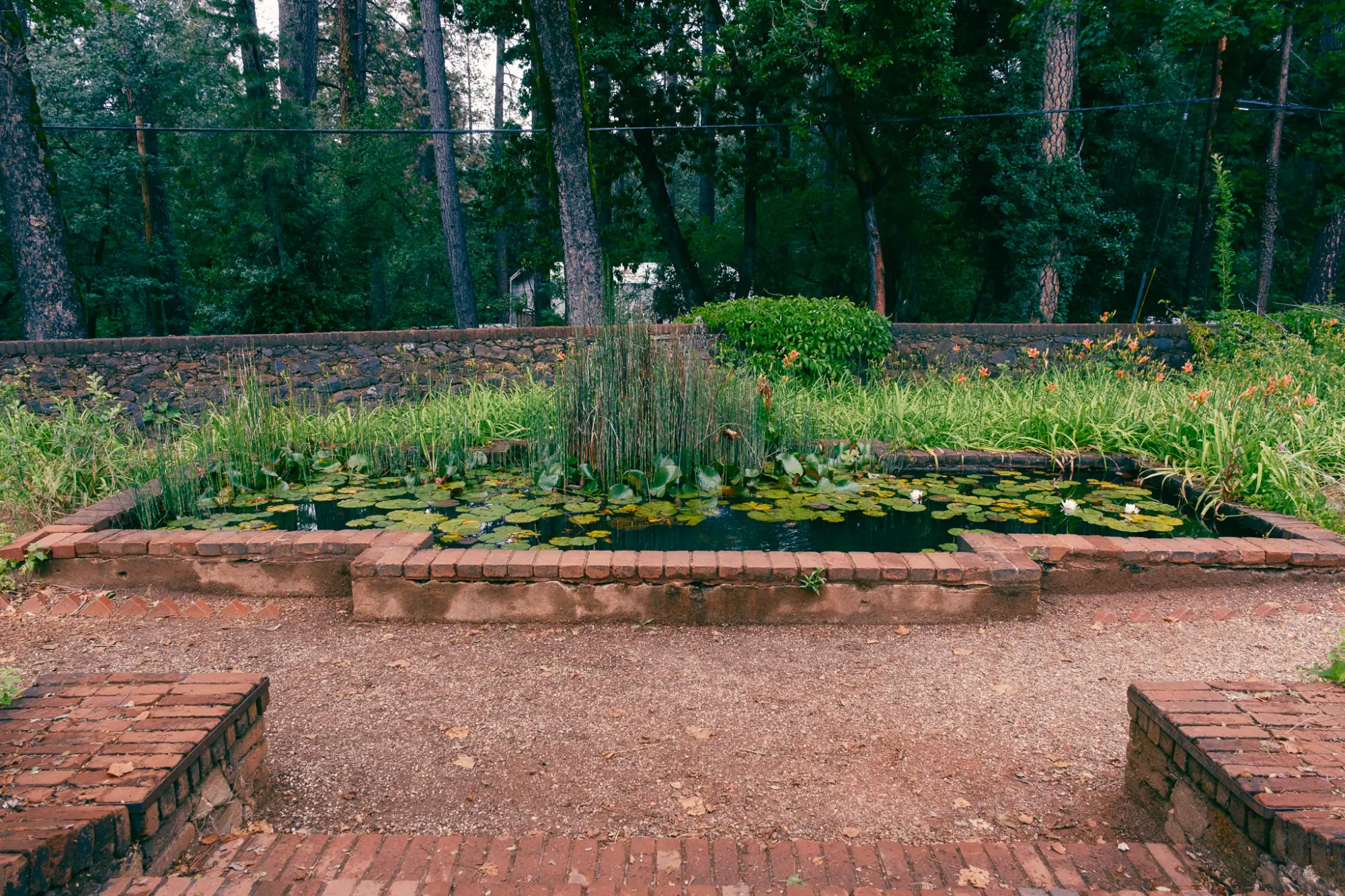
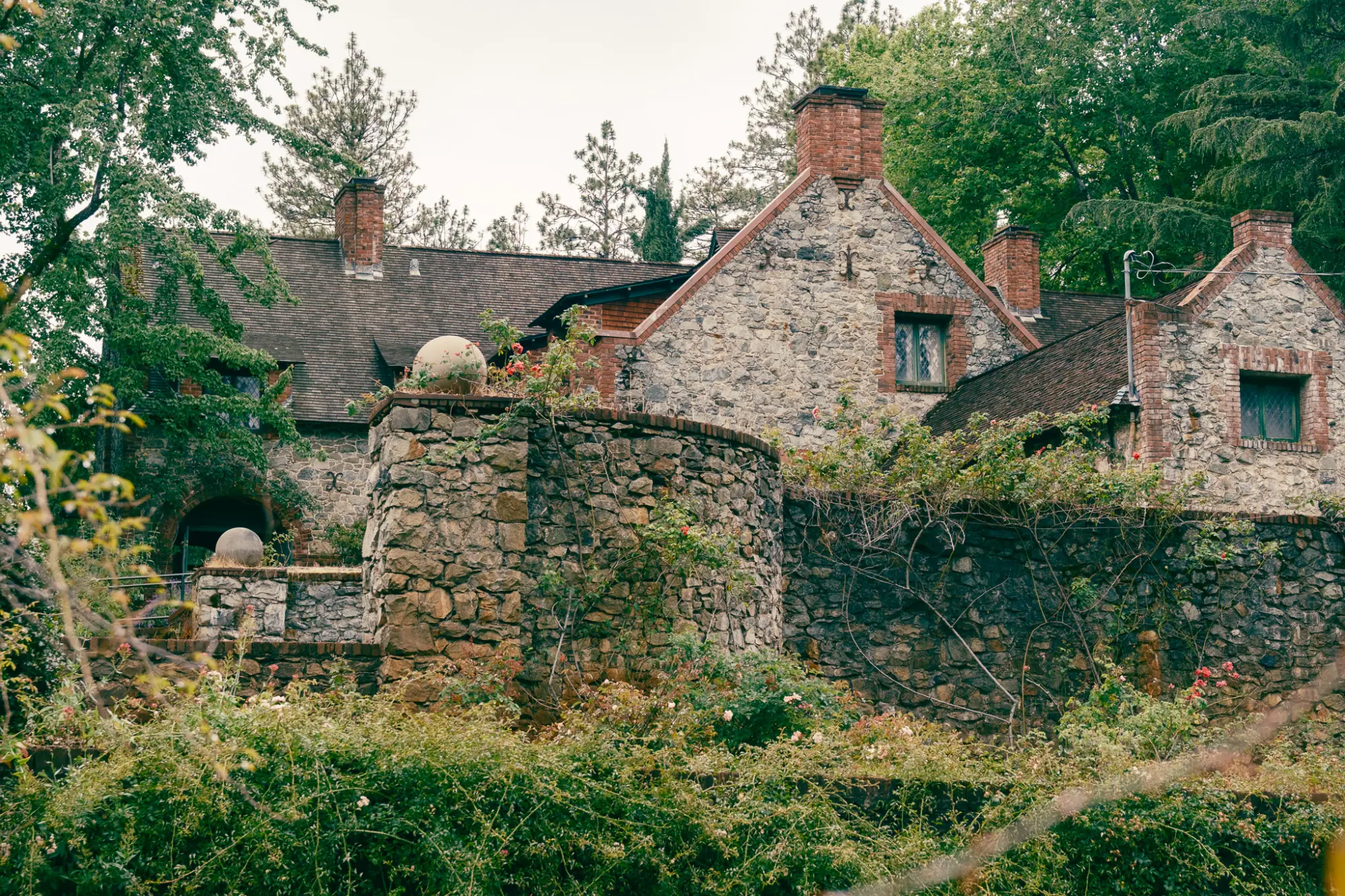
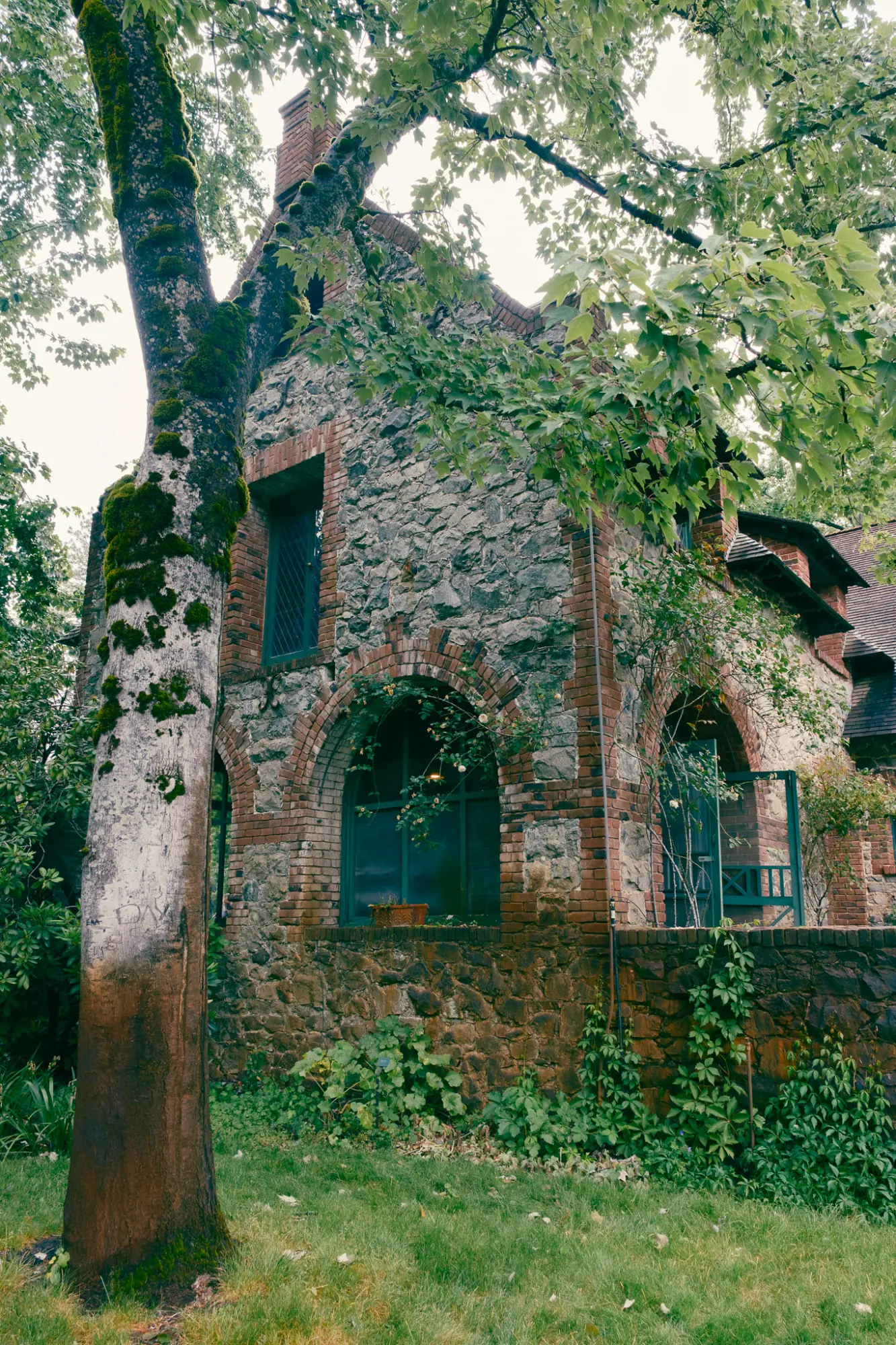
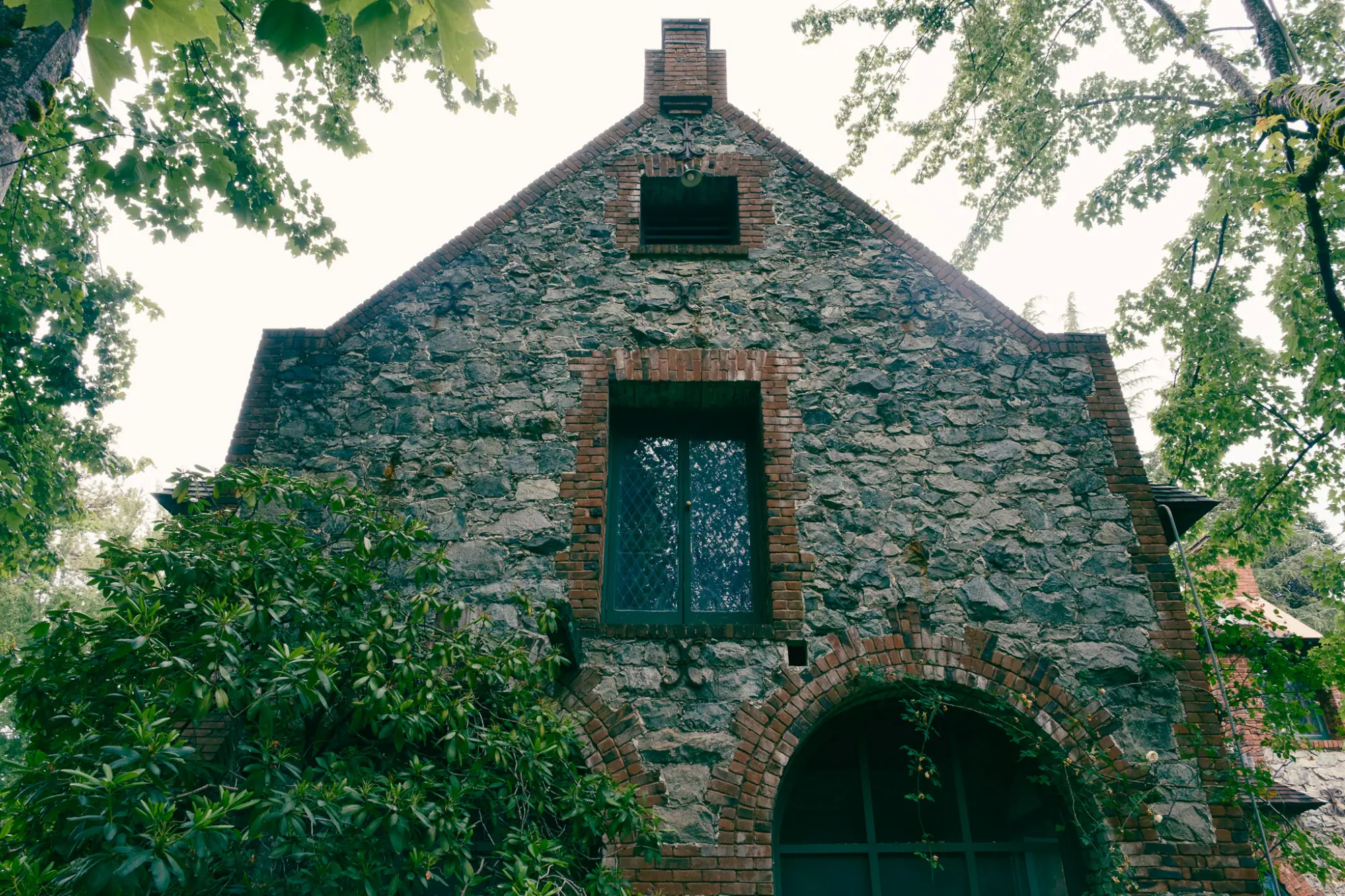
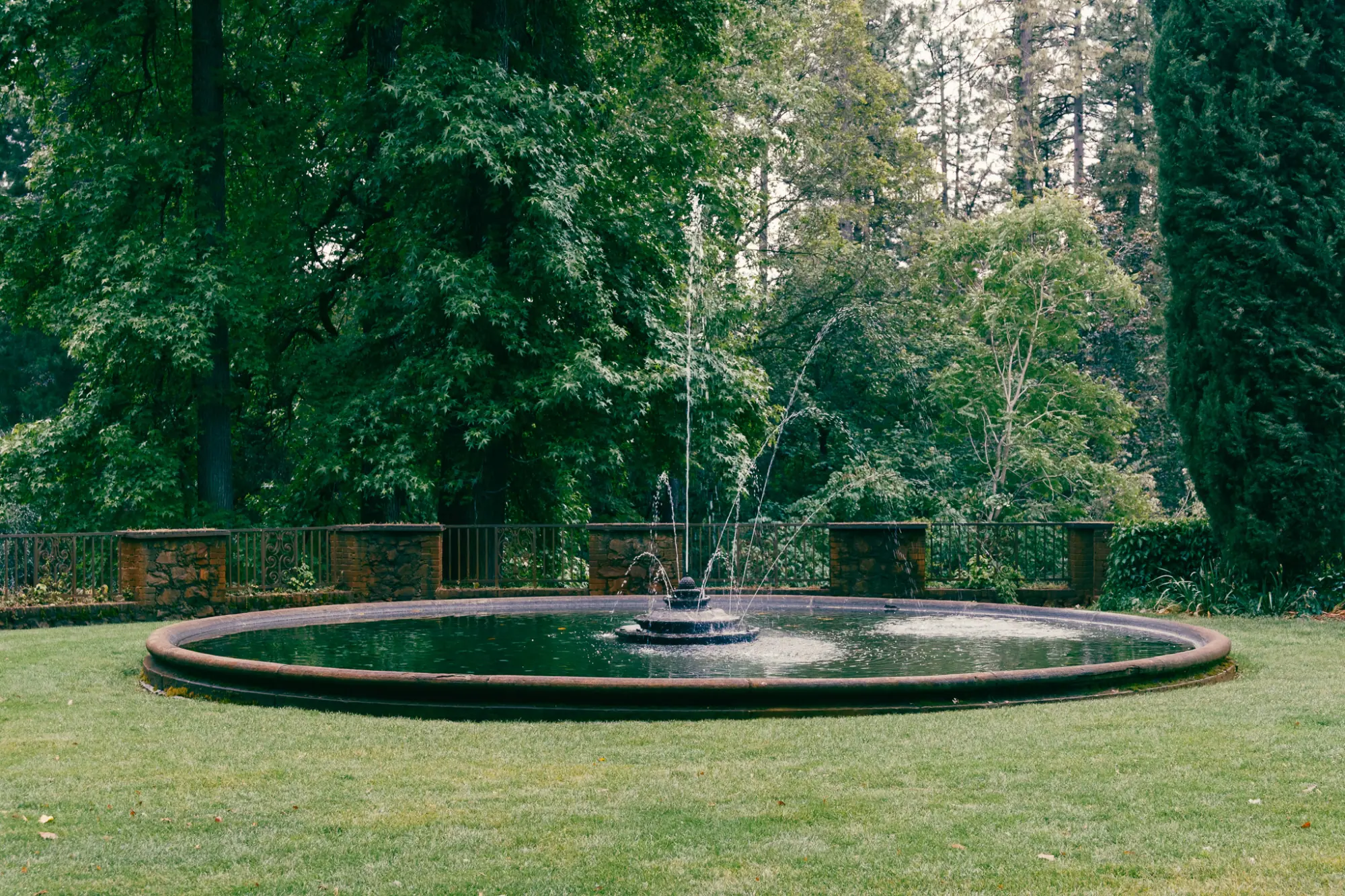
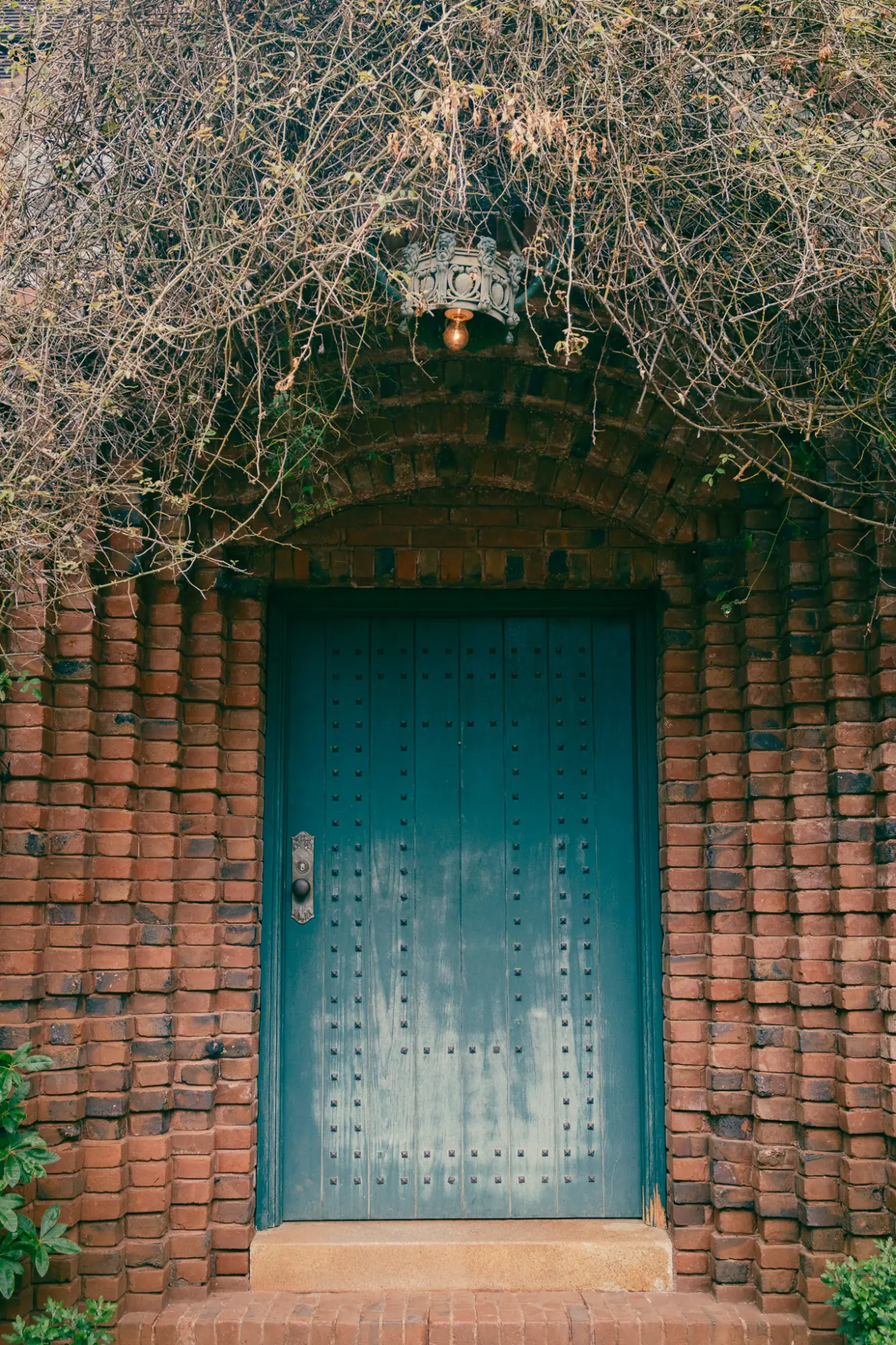
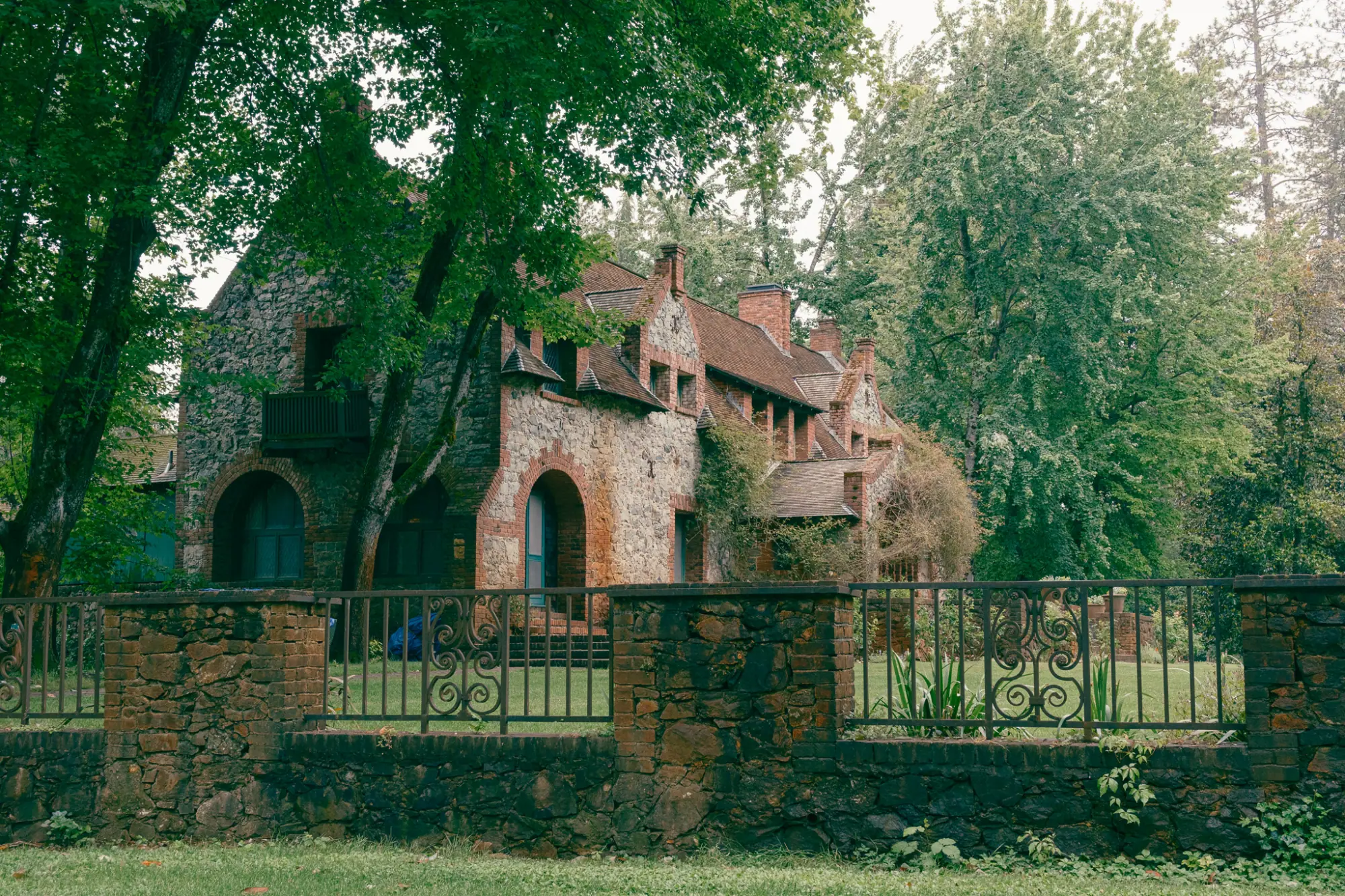
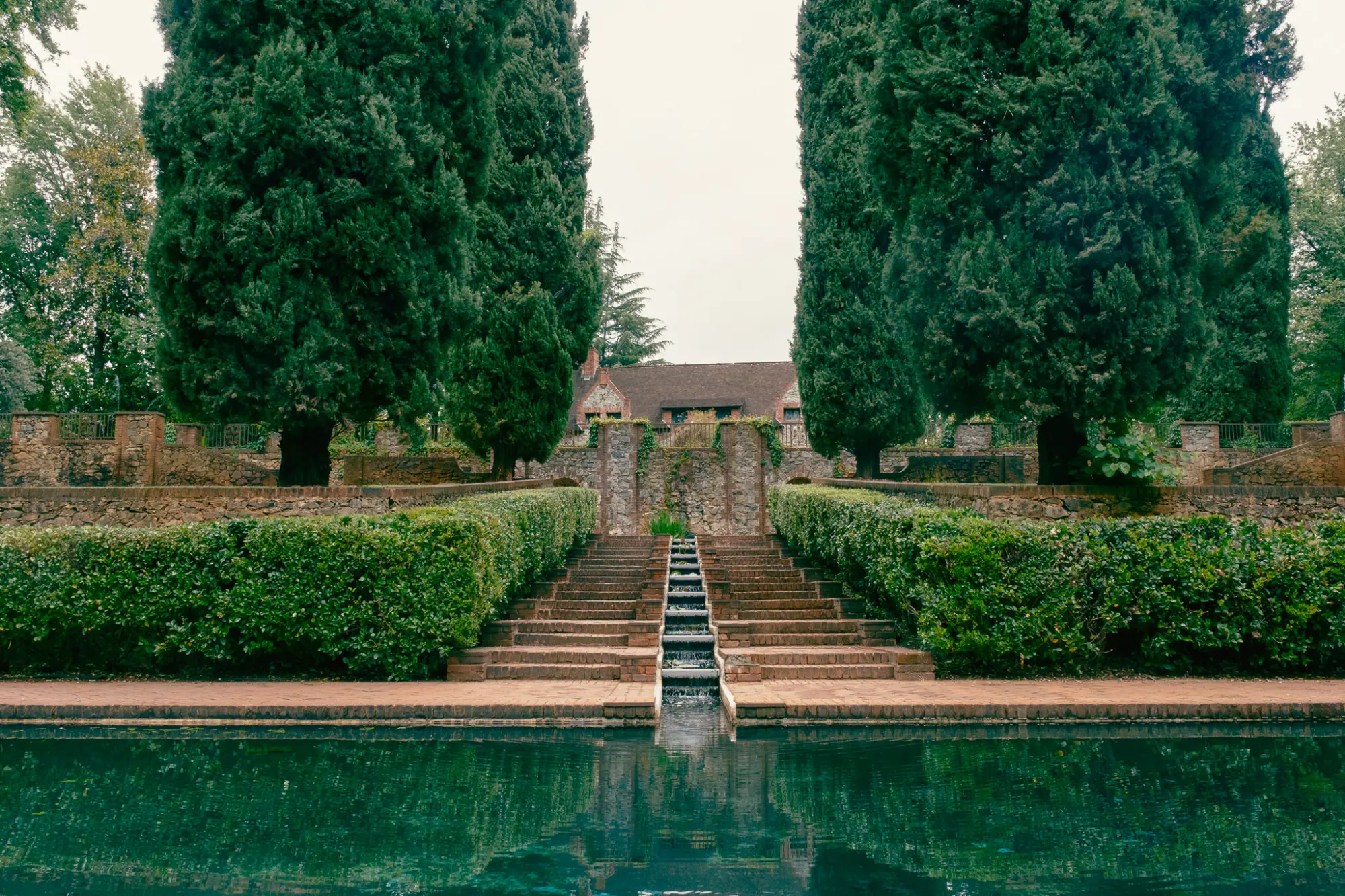
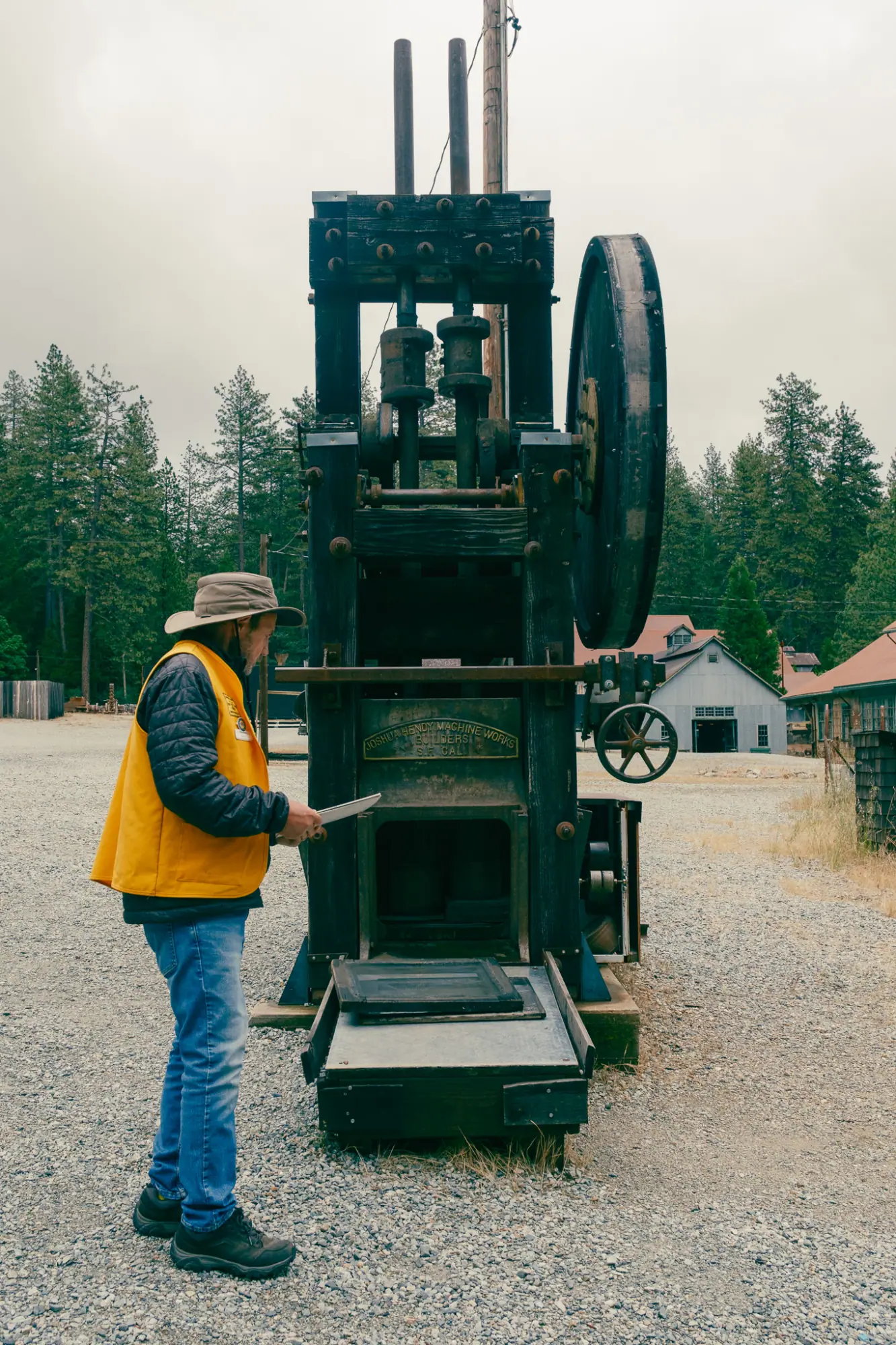
The walking tour took us around the mine yard and its equipment, and the engineer in me was fully engaged. The scale of what they built, and how deep they went with the tools they had, is staggering.
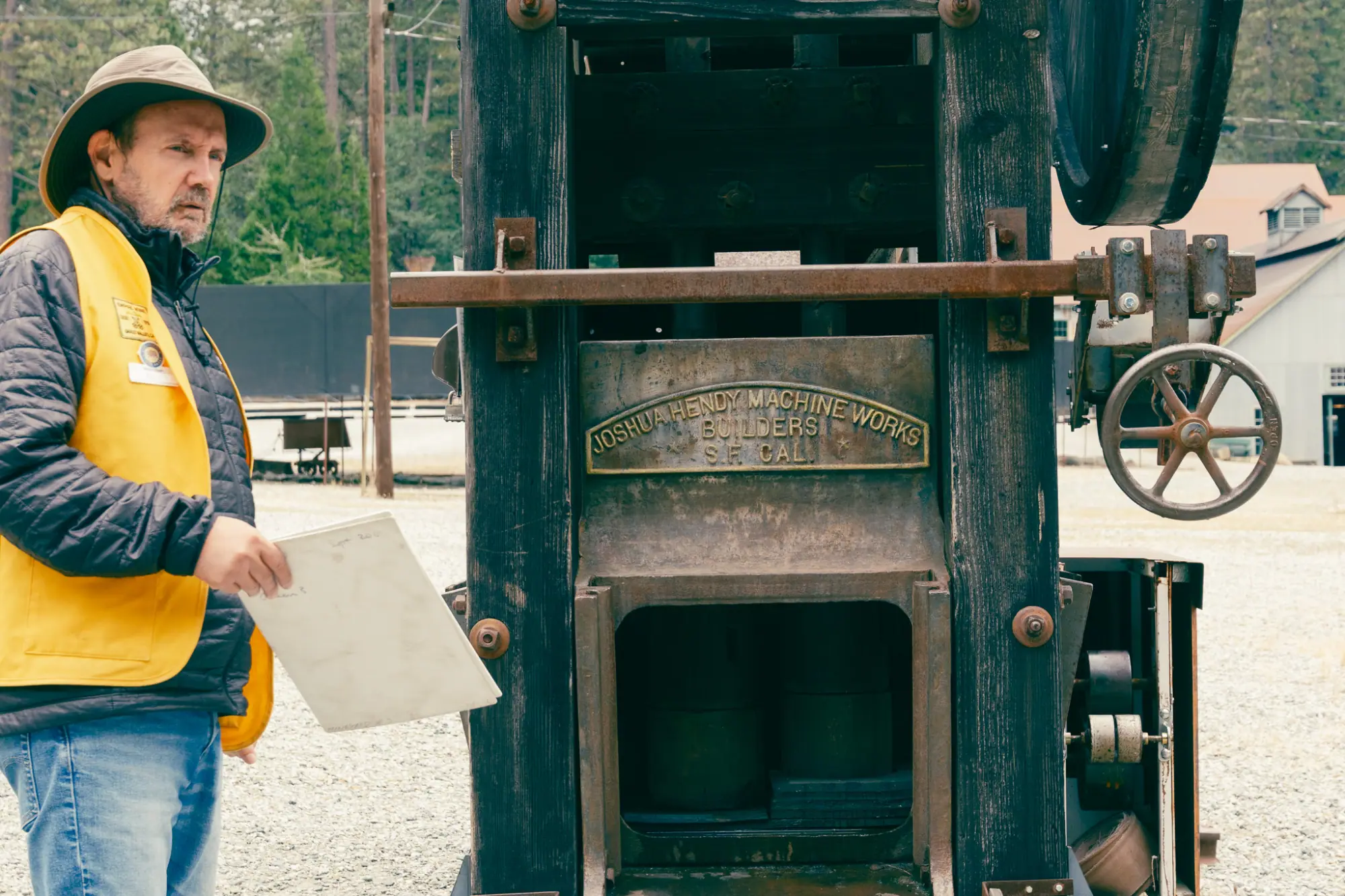
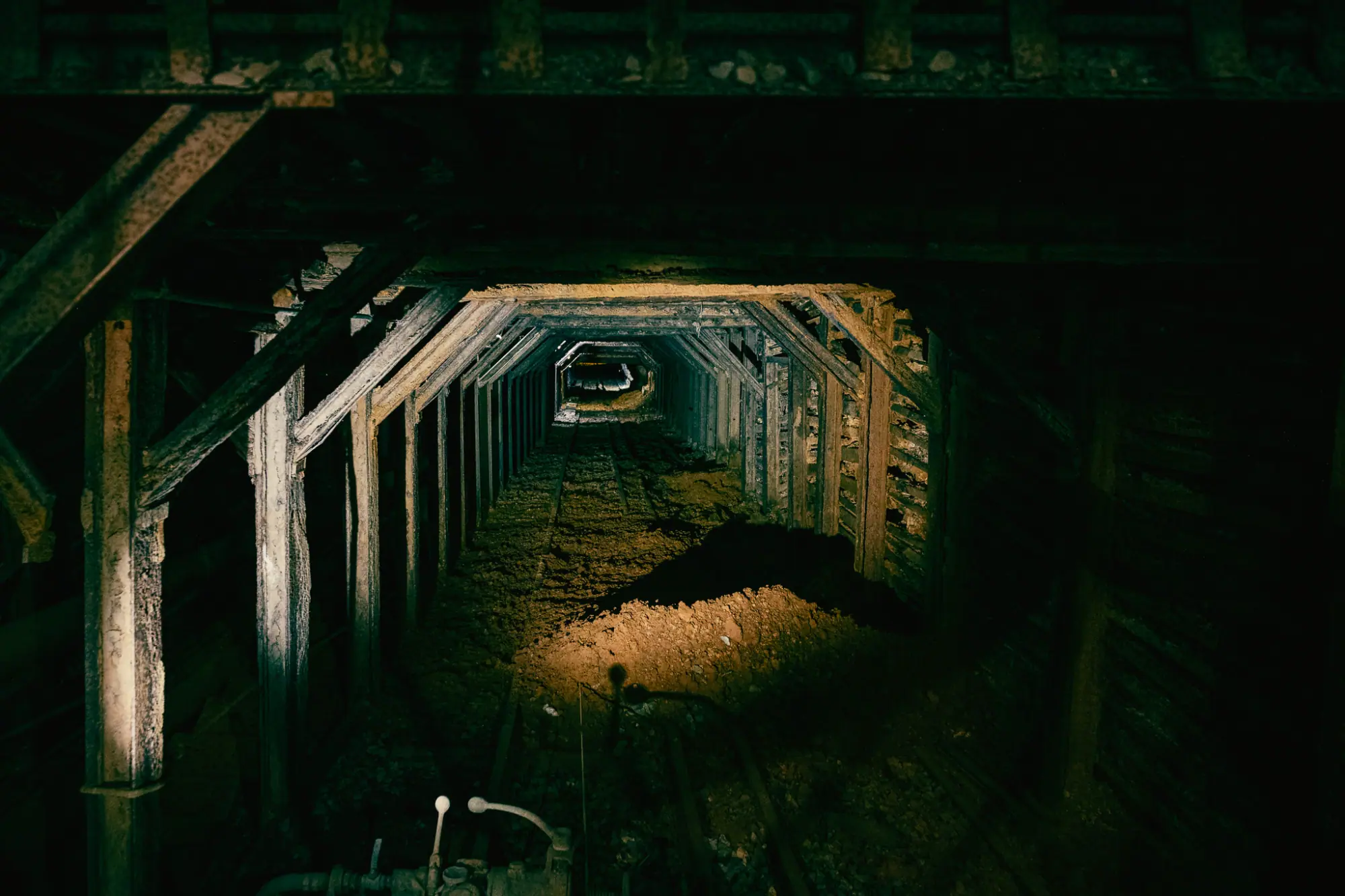
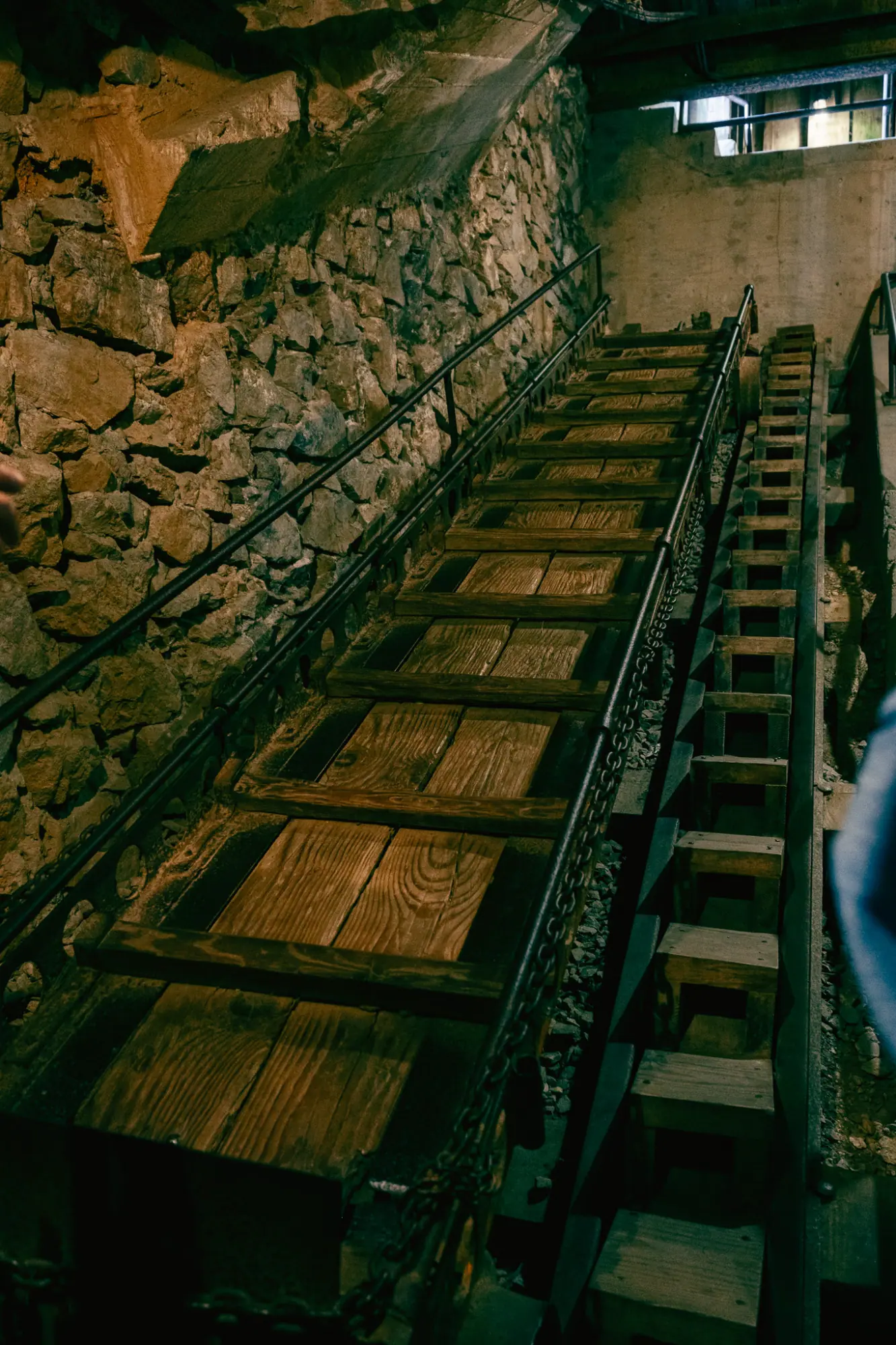
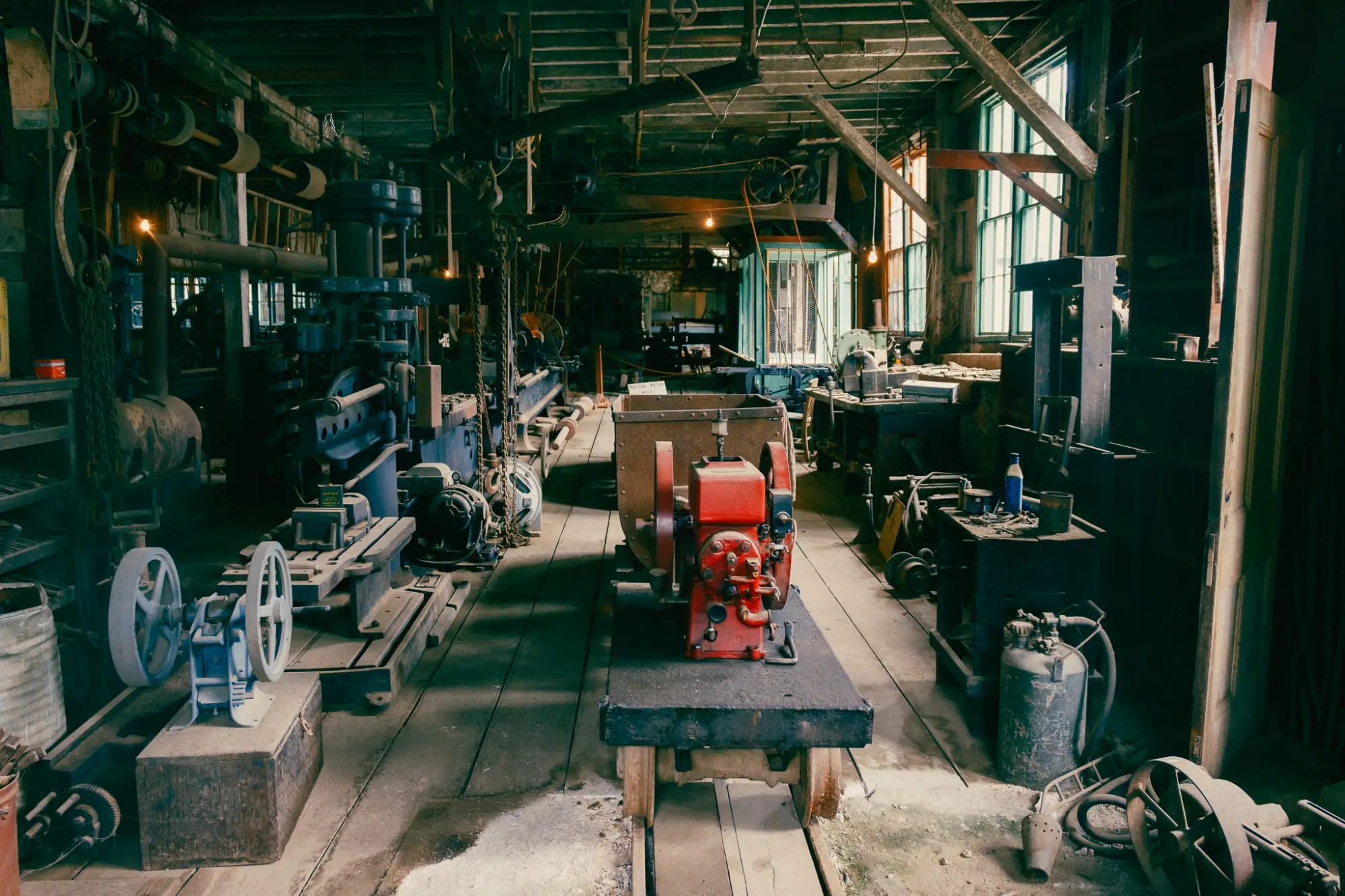
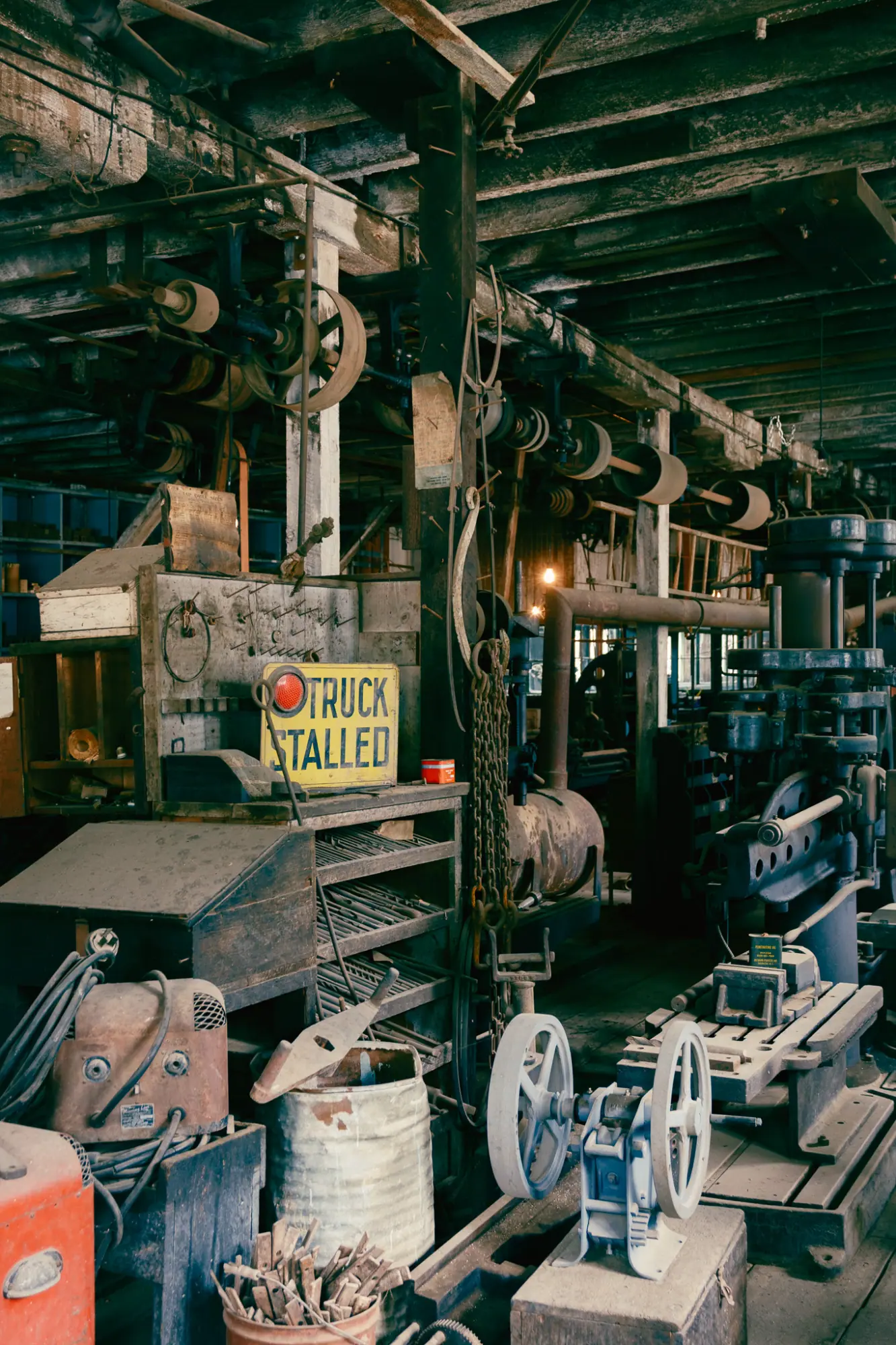
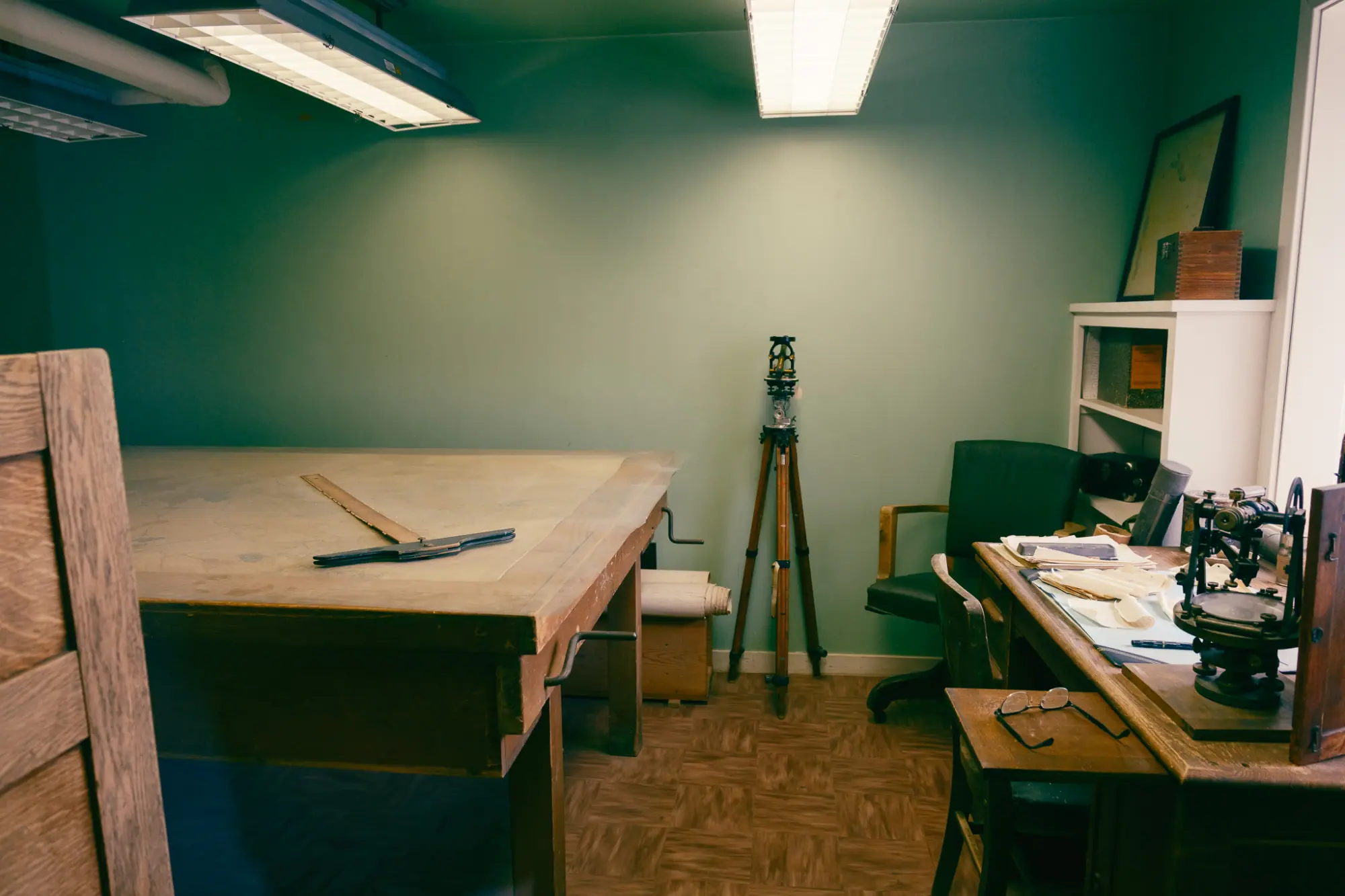
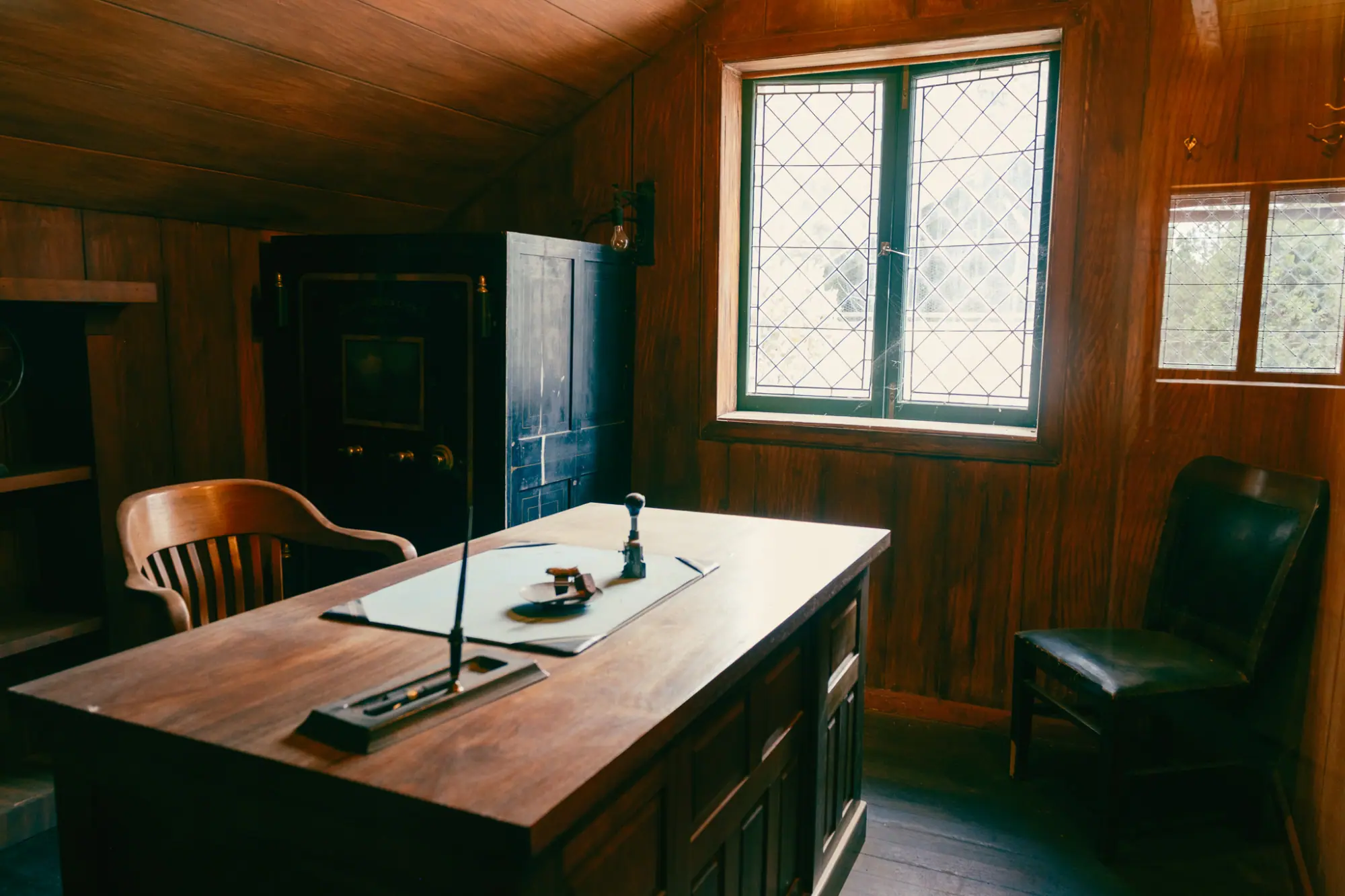
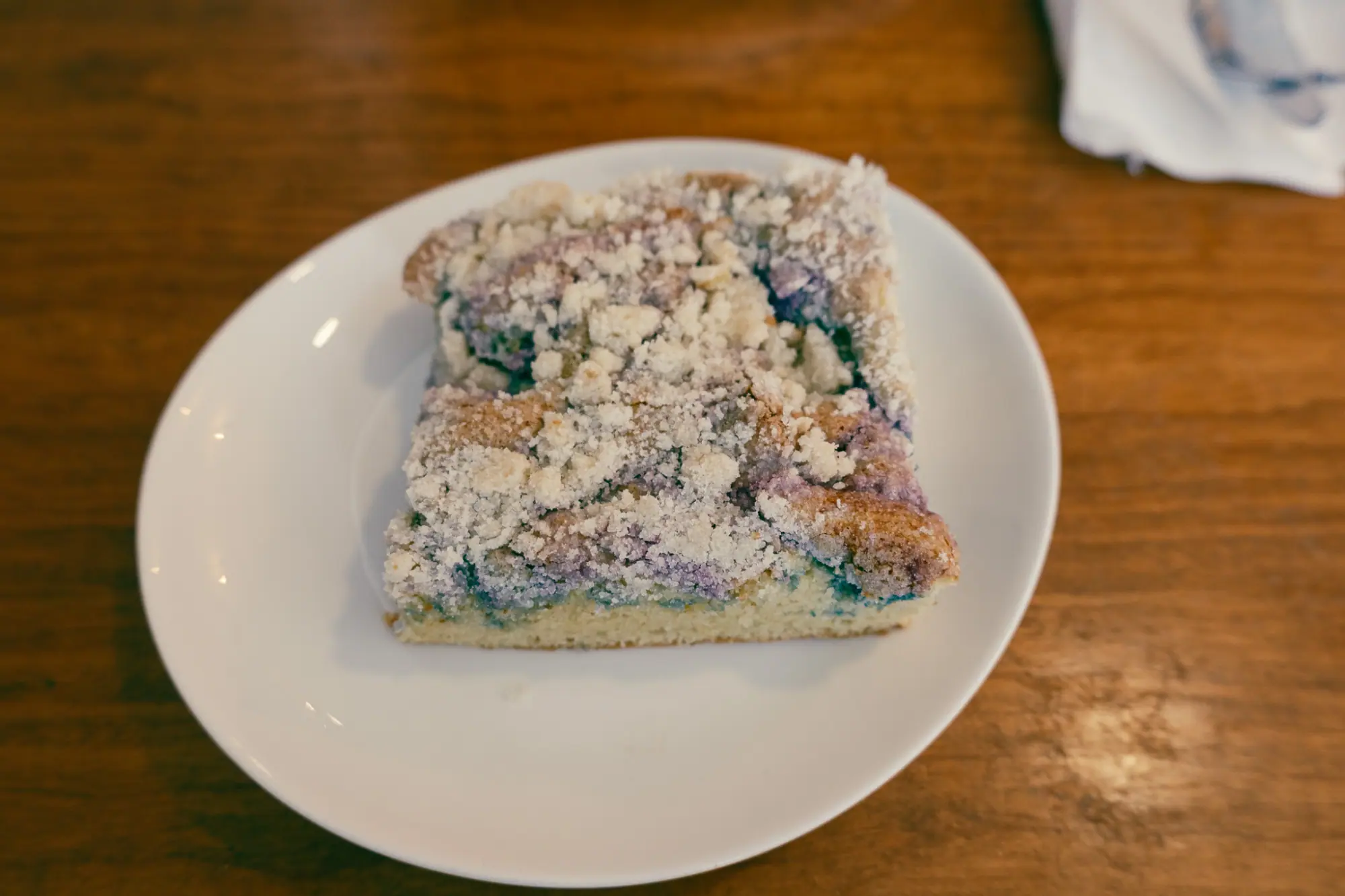
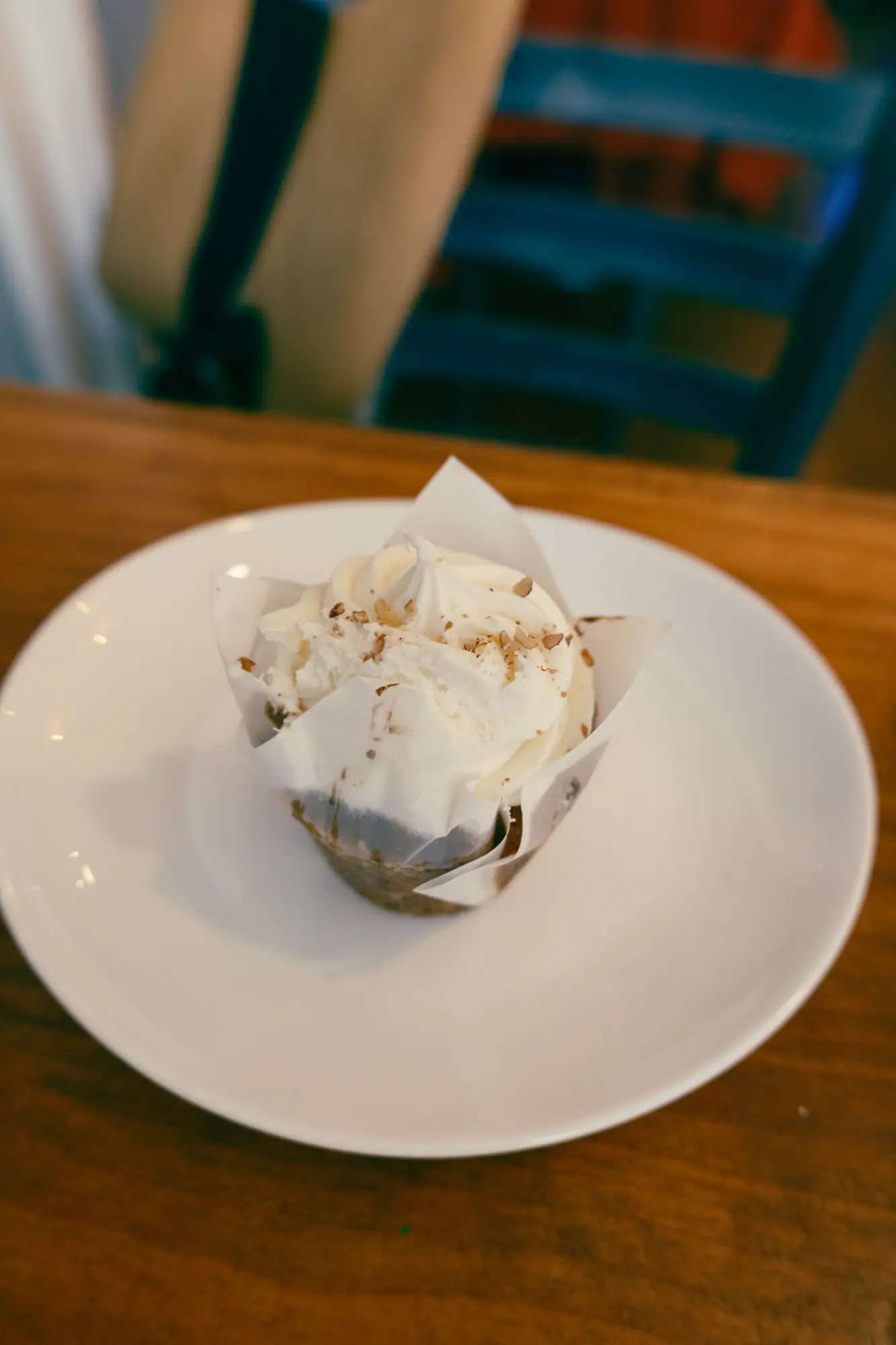
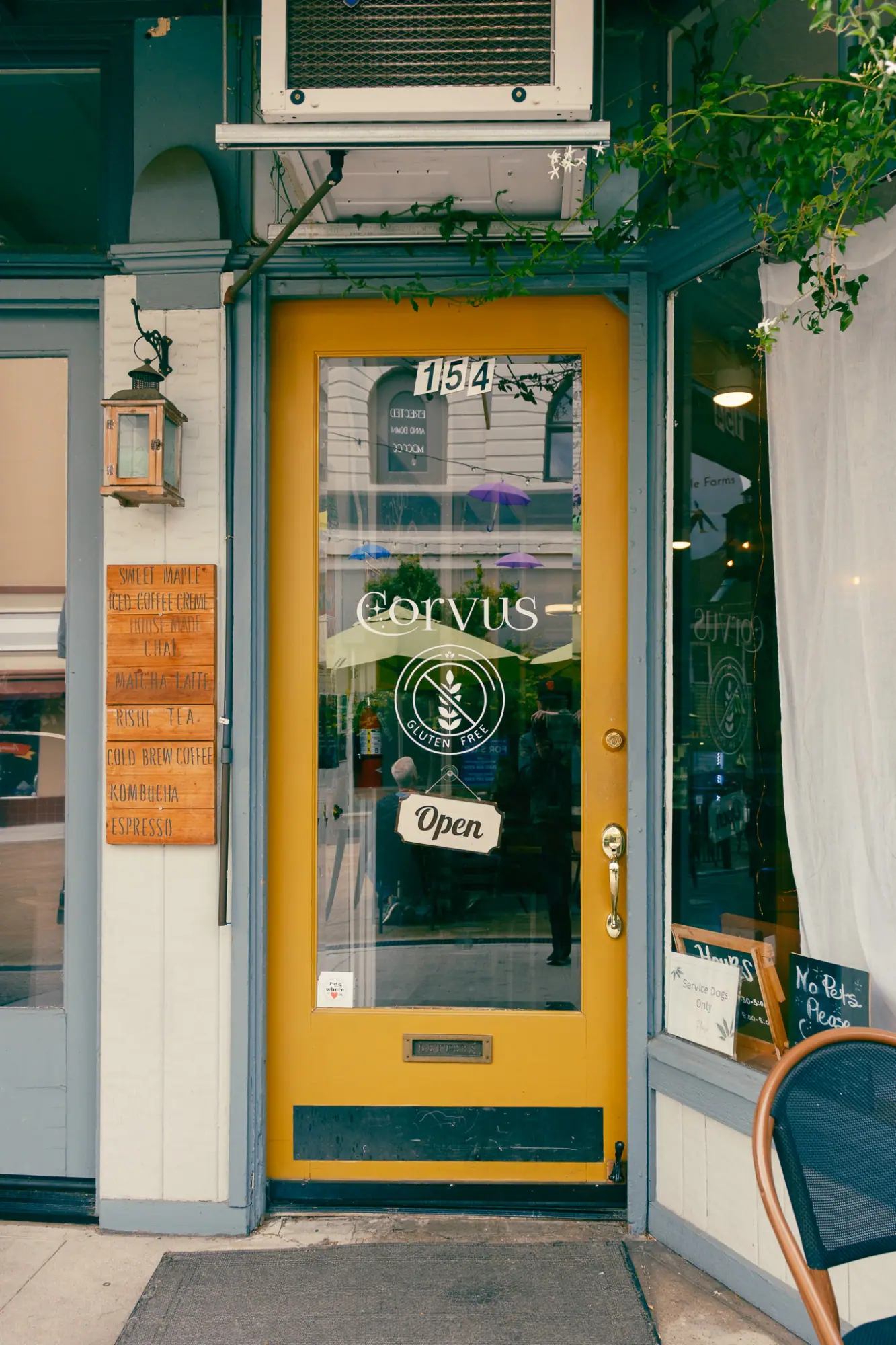
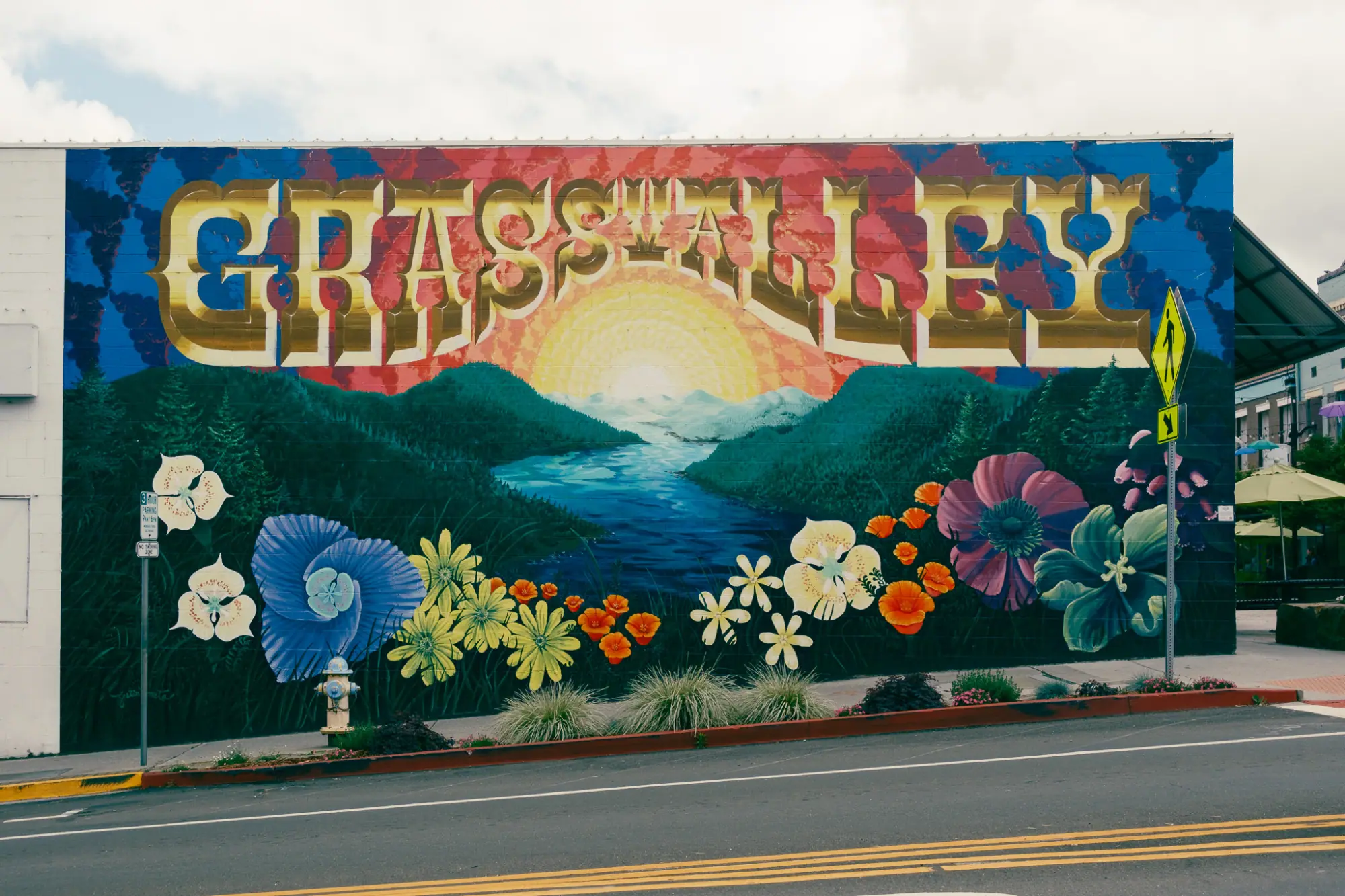
From there we stopped in Grass Valley and walked around downtown, then picked up some gluten free baked goods at Corvus Bakery for the road.
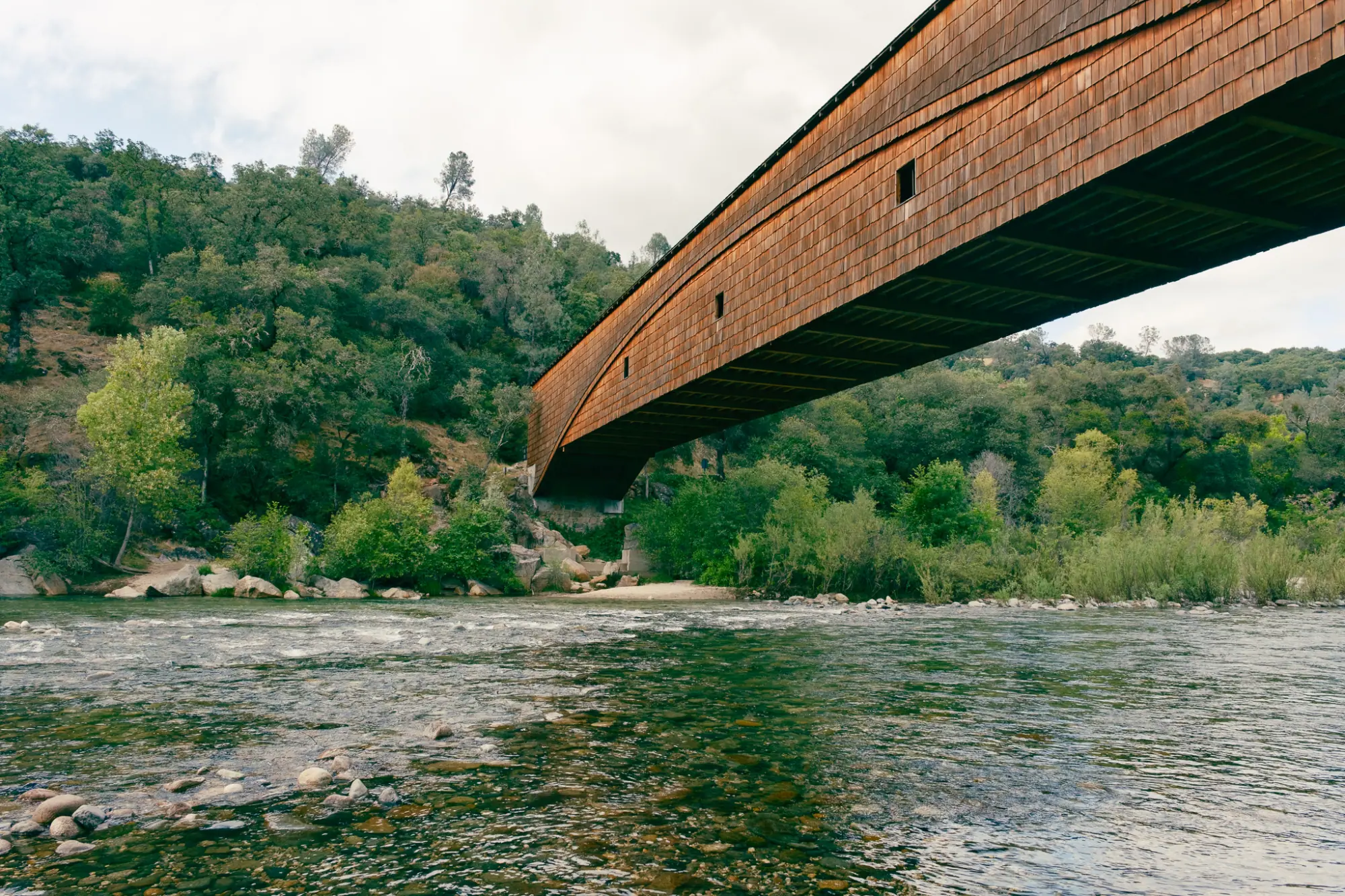
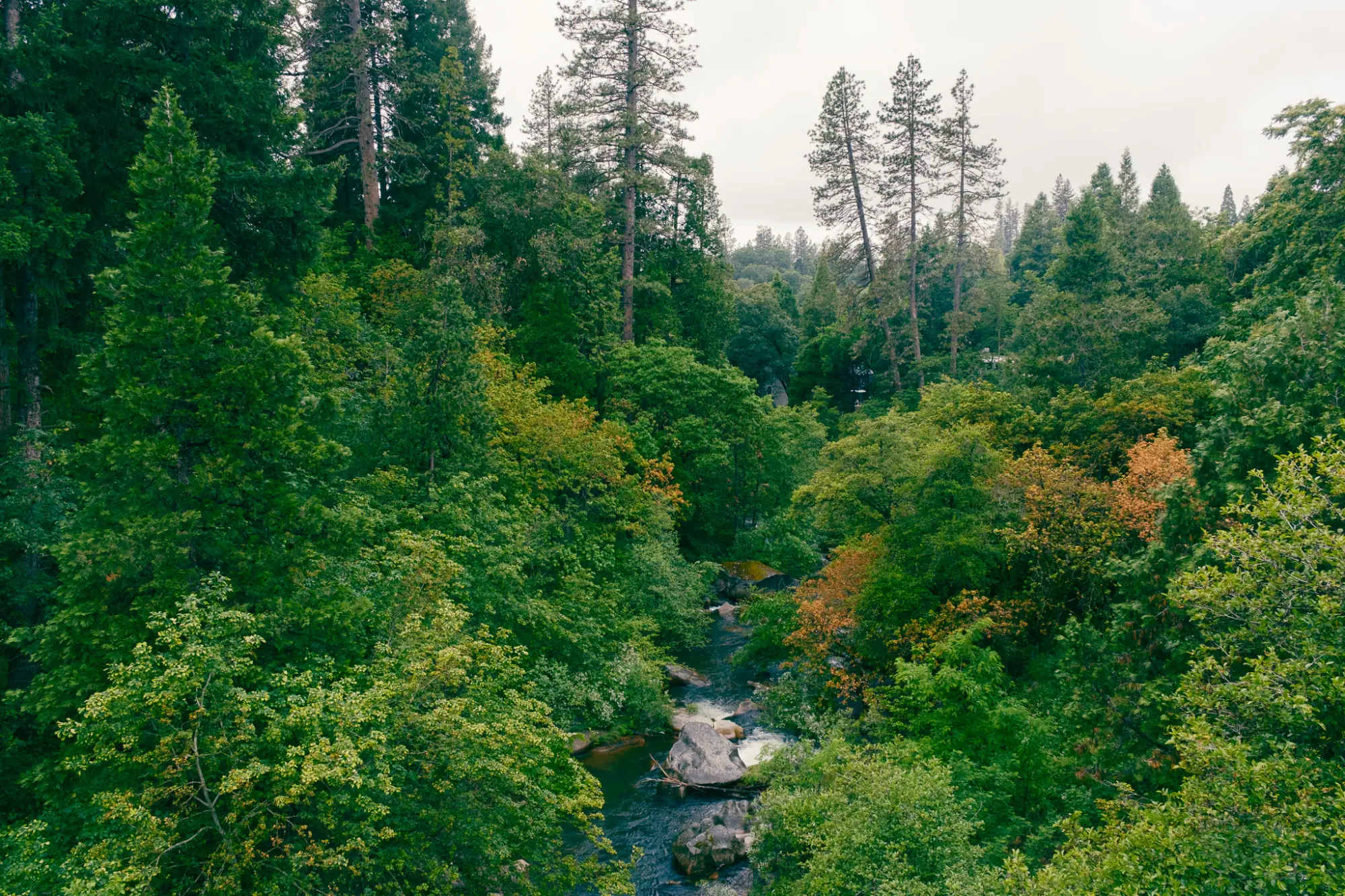
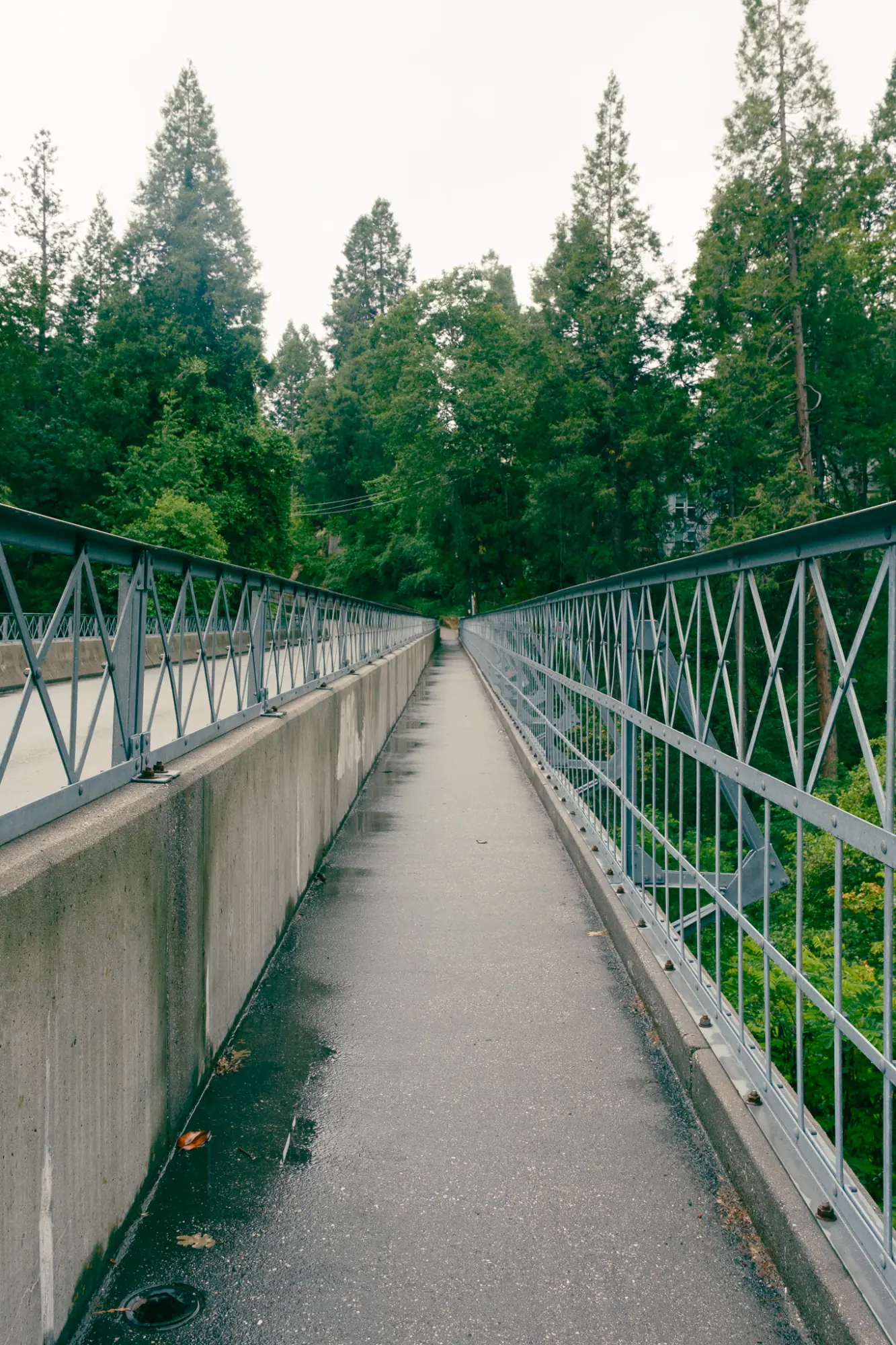
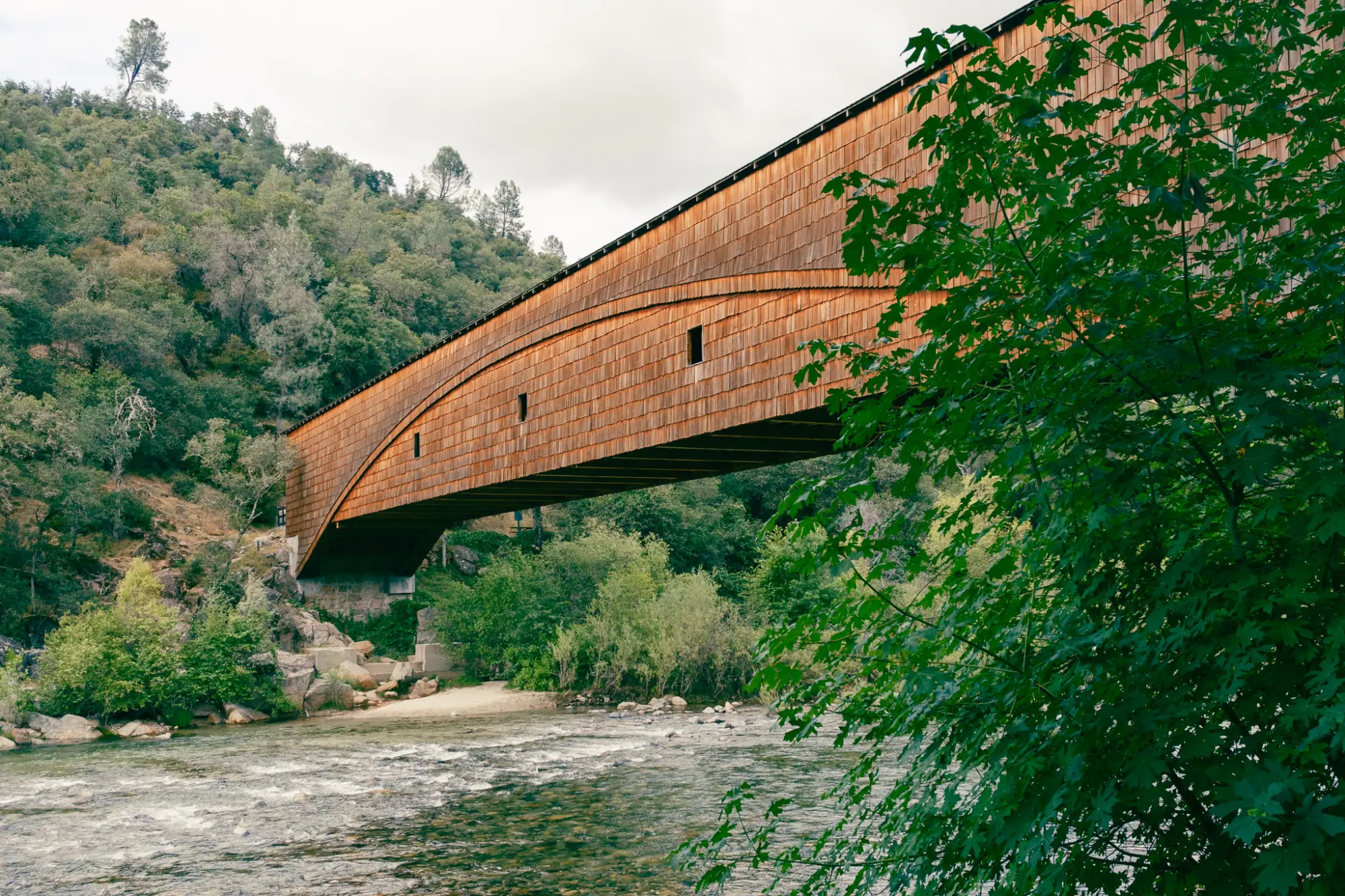
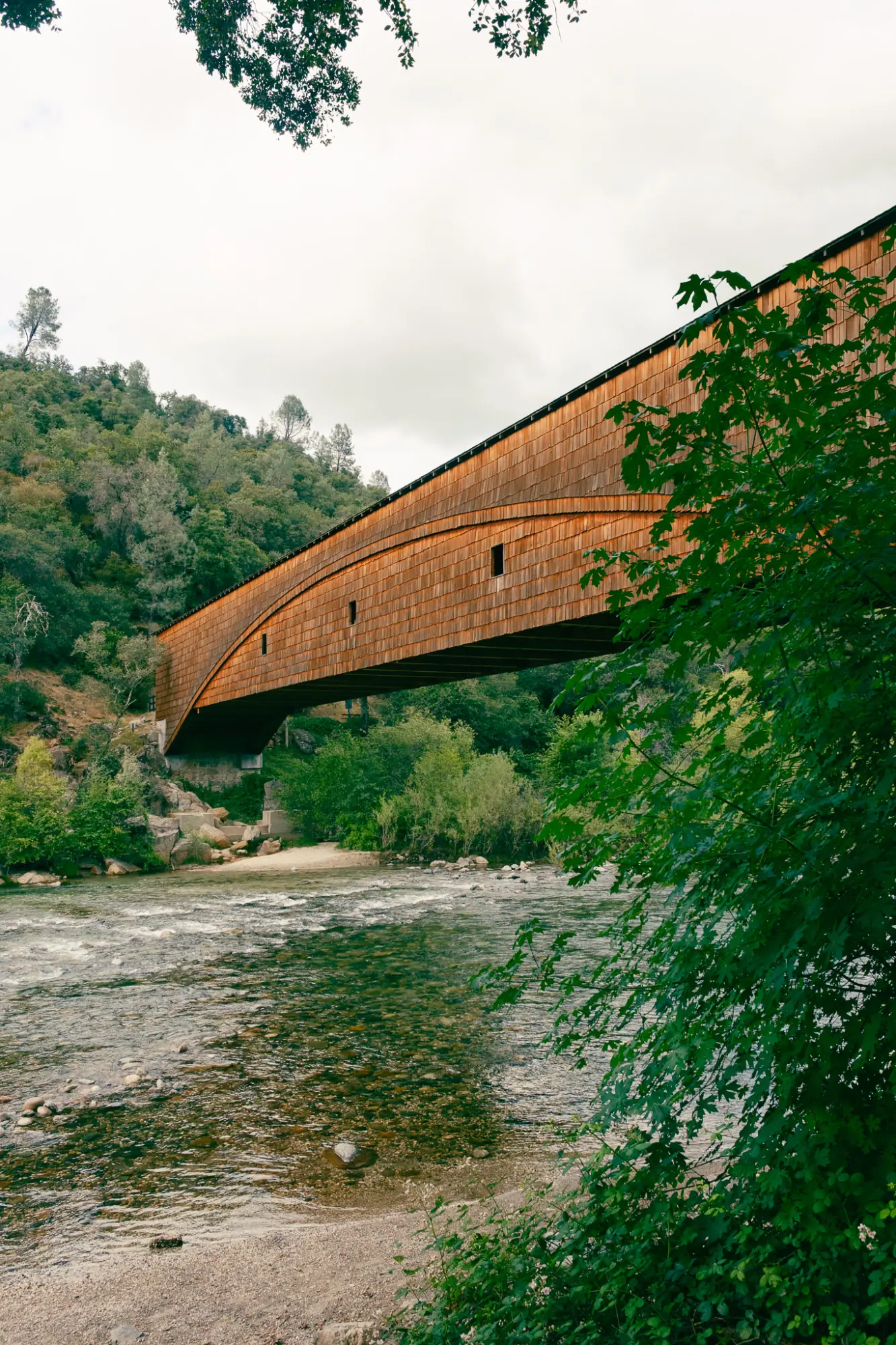
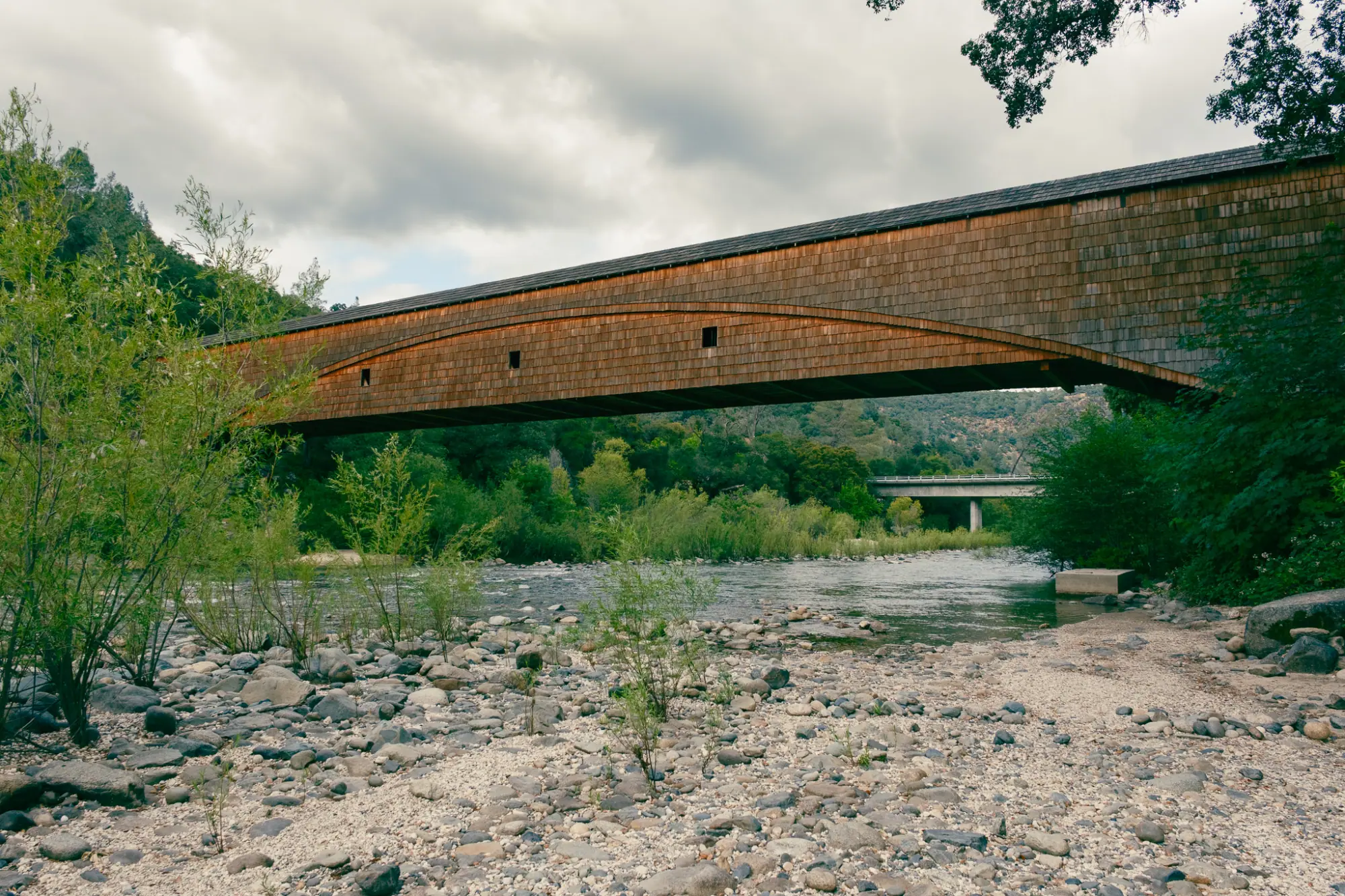
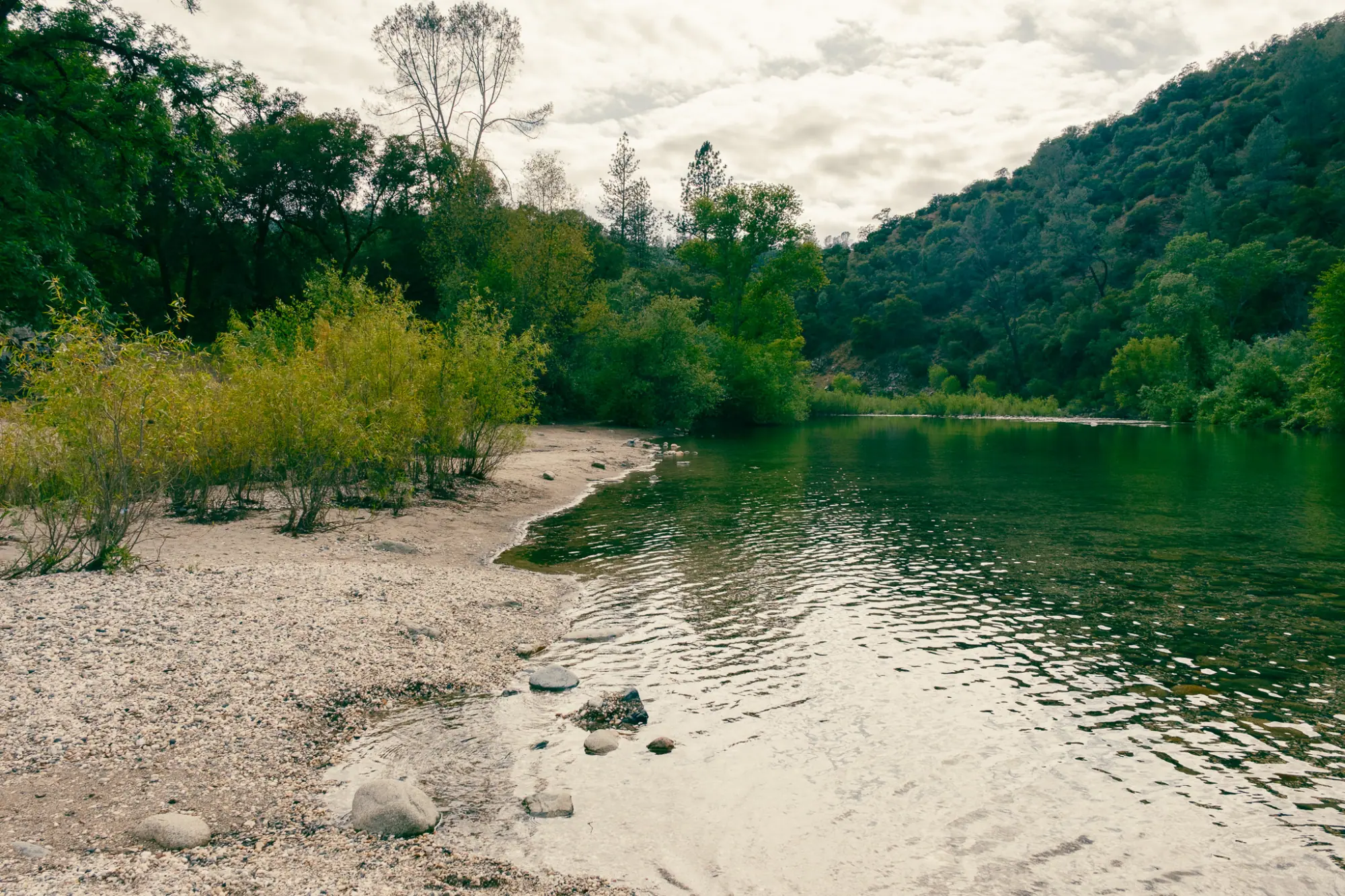
Our last stop of the day was the Bridgeport Covered Bridge, one of the longest single-span wooden covered bridges in the country, stretching across the South Yuba River. We walked across it, then stood for a while taking in the view of the river below. After a full day of mining history, it was a quiet, beautiful way to end things.
Day Three:
Farmers Market, Malakoff Diggins, and Coming Full Circle
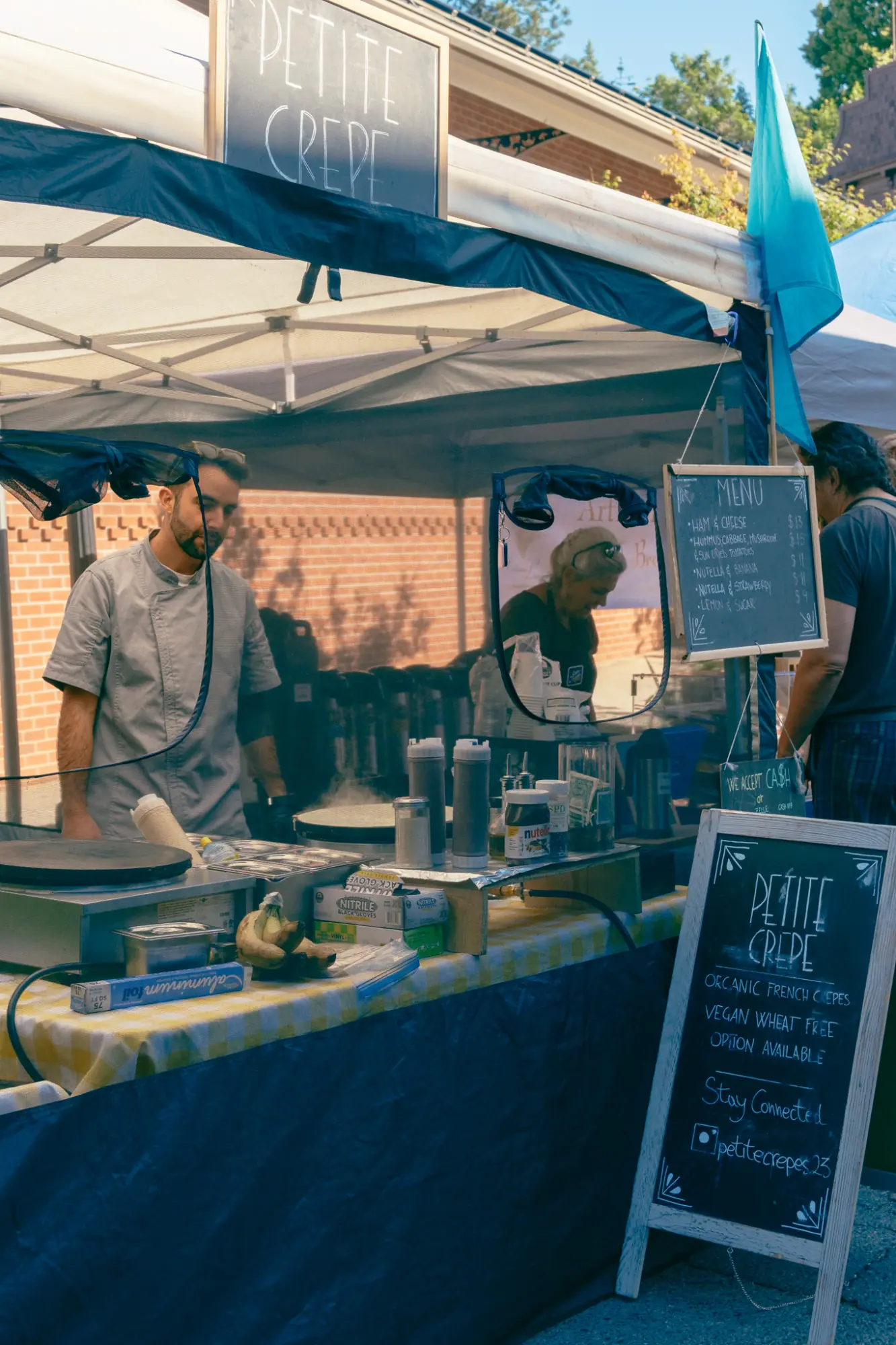
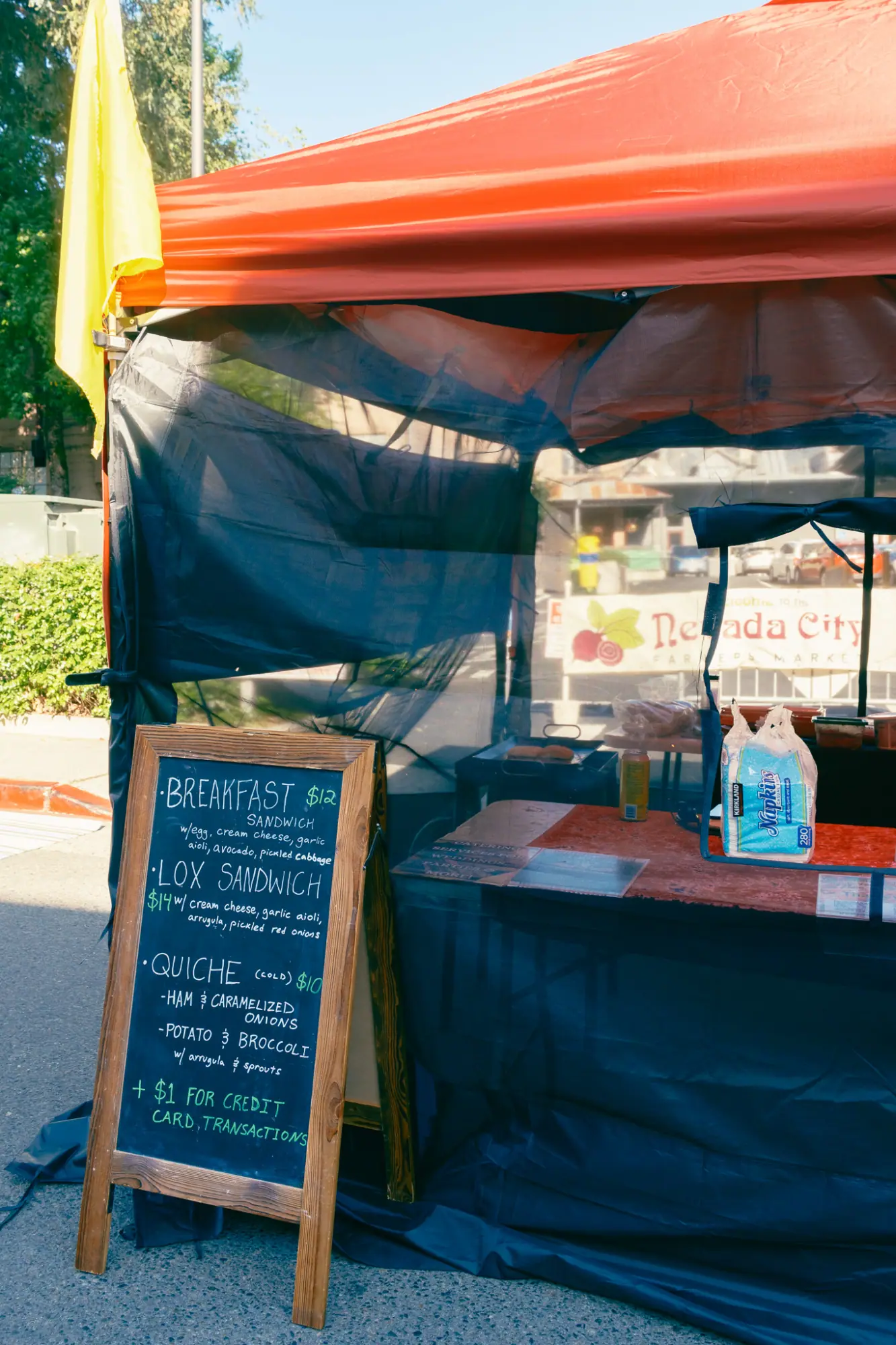
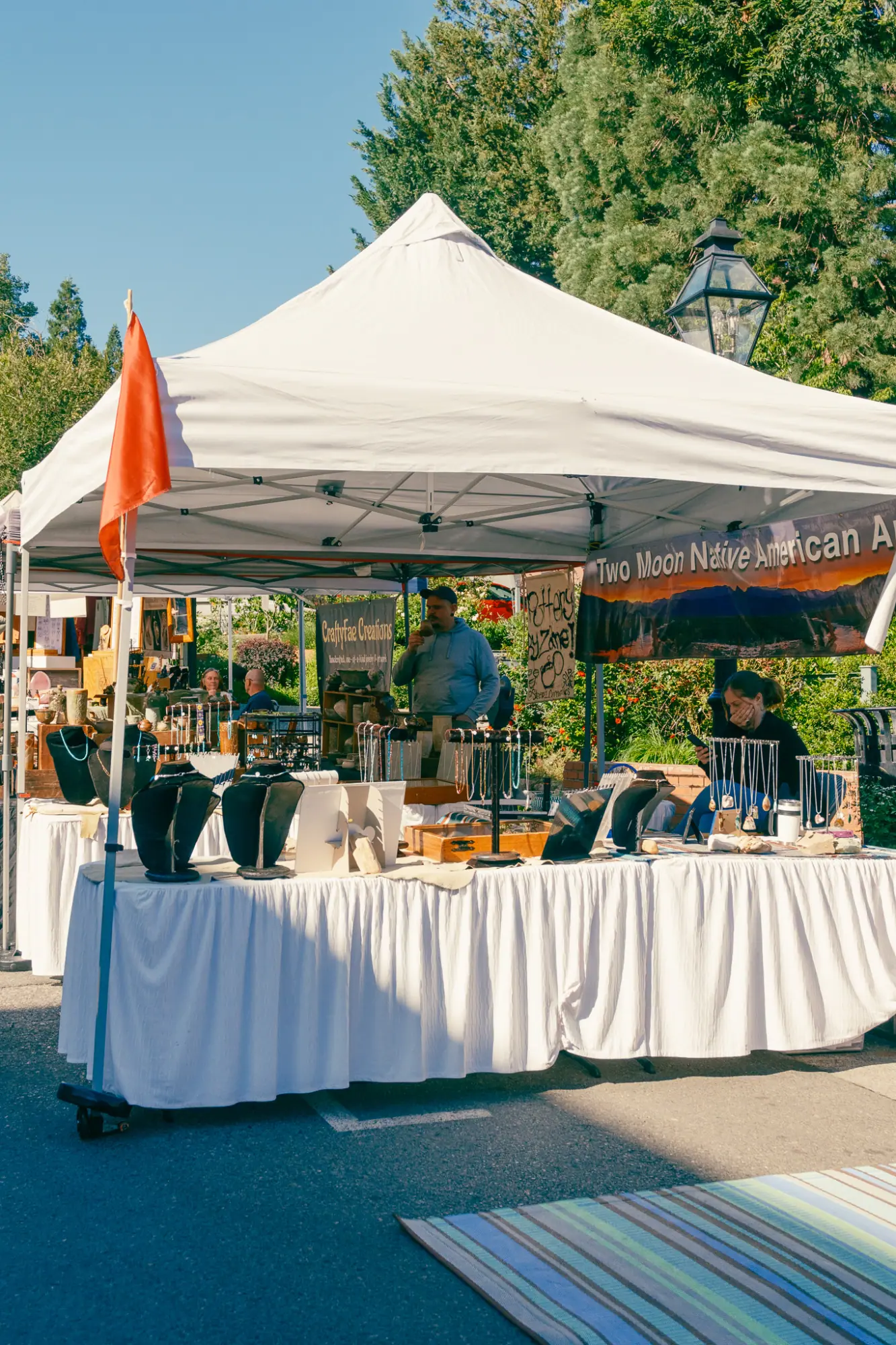
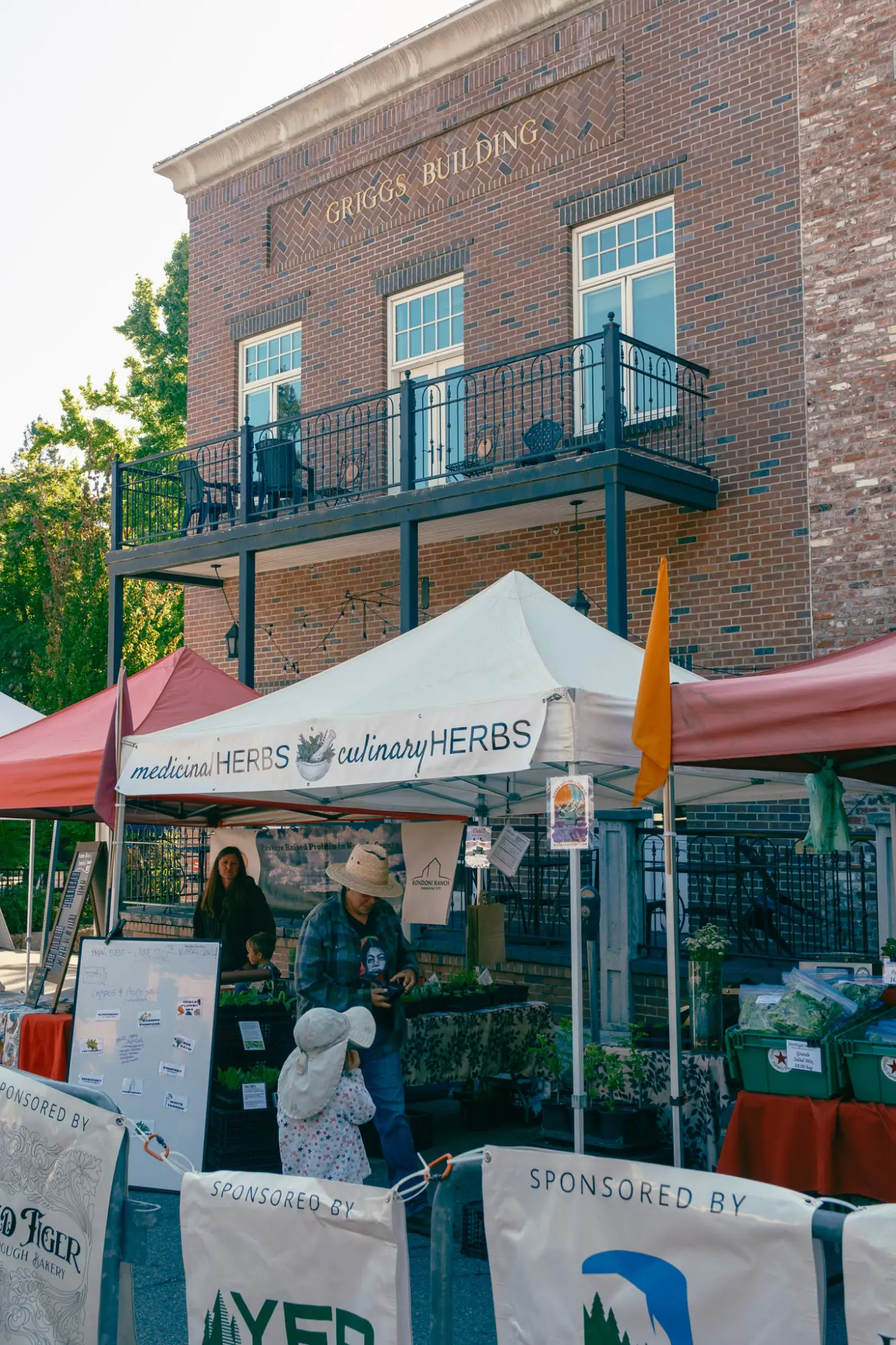
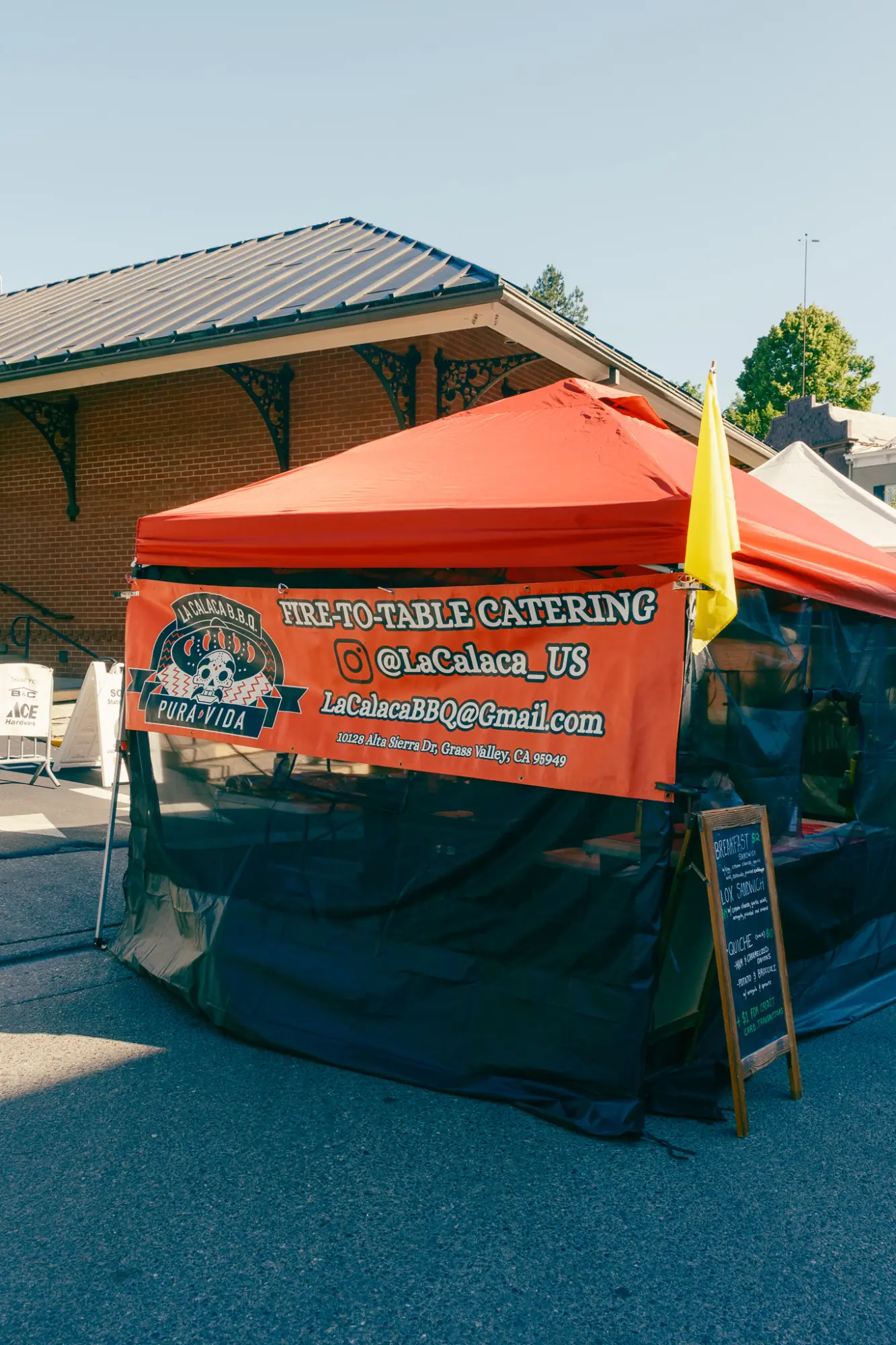
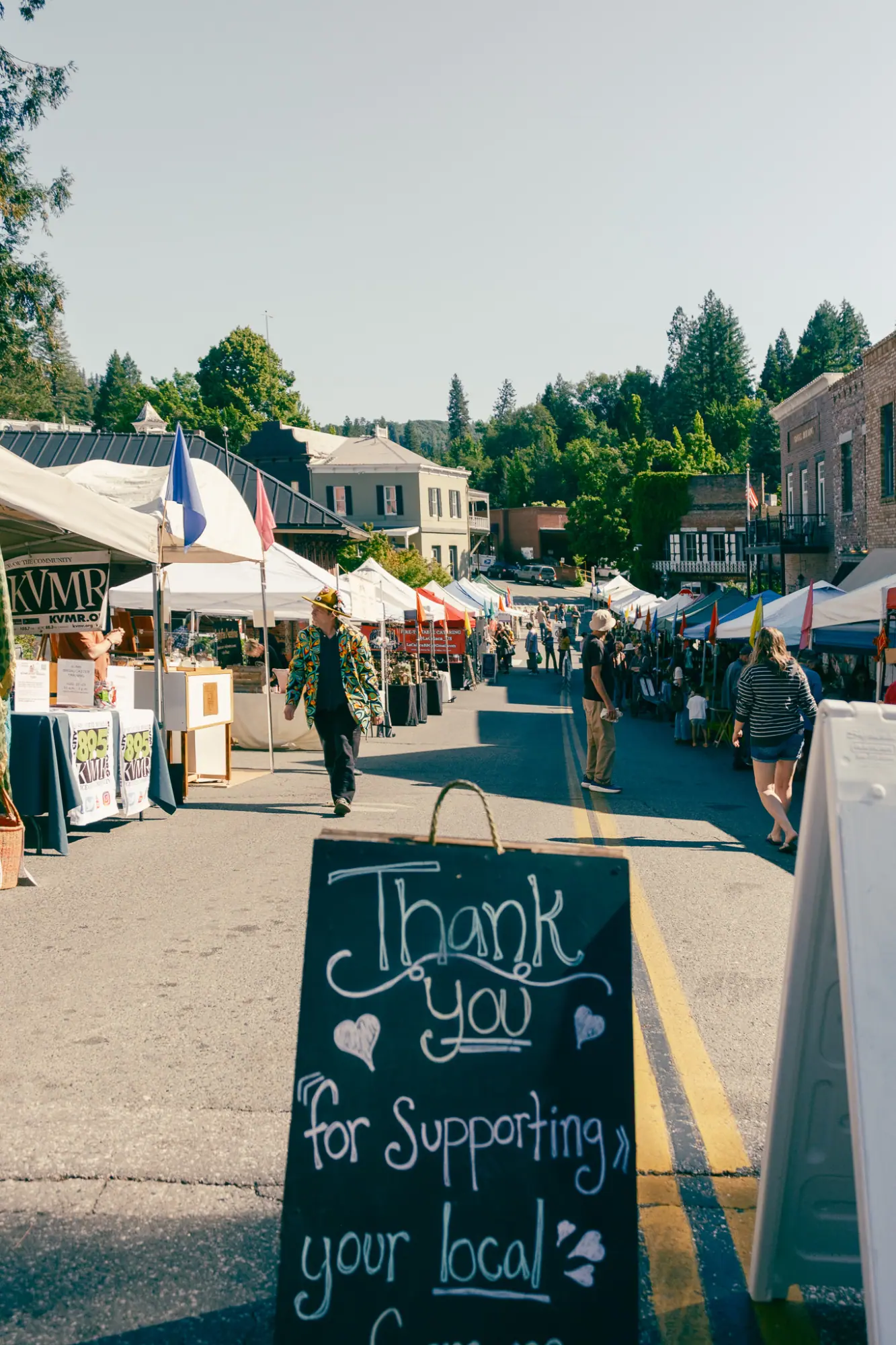
Our last morning started at the Nevada City Farmers Market. We wandered from vendor to vendor, grabbed a lox sandwich for breakfast, and lingered for some live music. It felt like the whole town had come out, and it was the kind of slow, easy morning that makes a small town feel like home for a few hours.
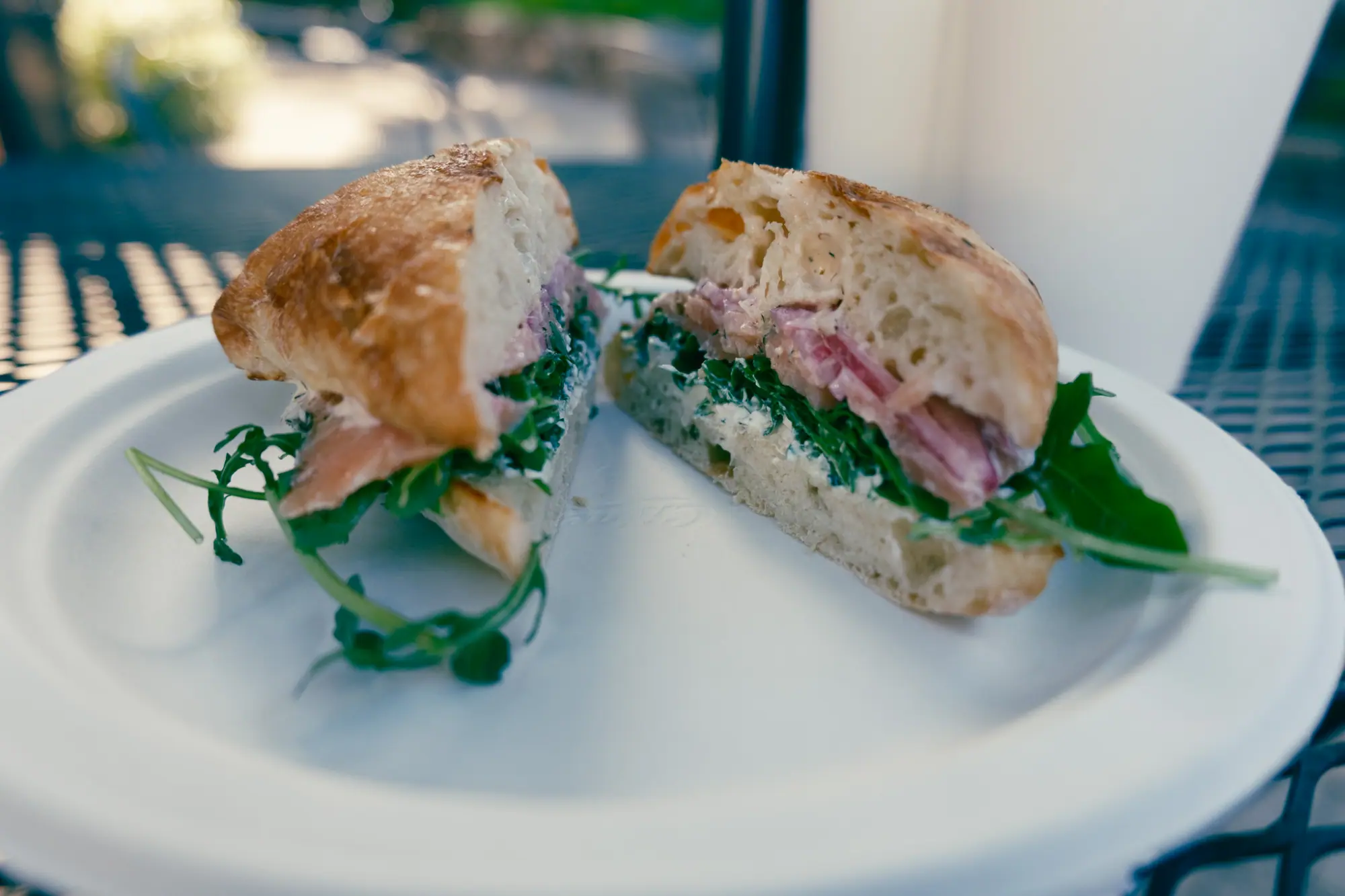
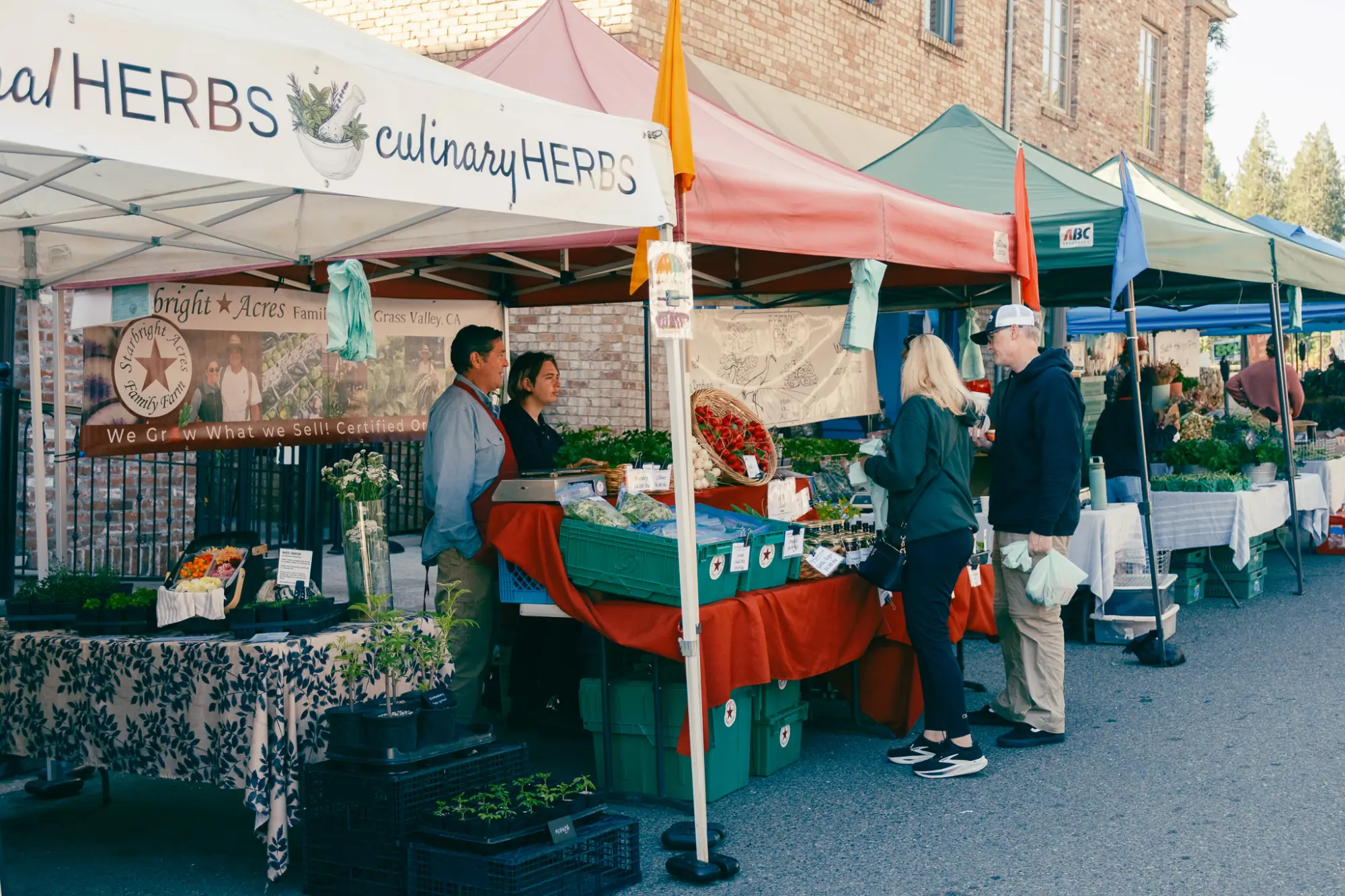
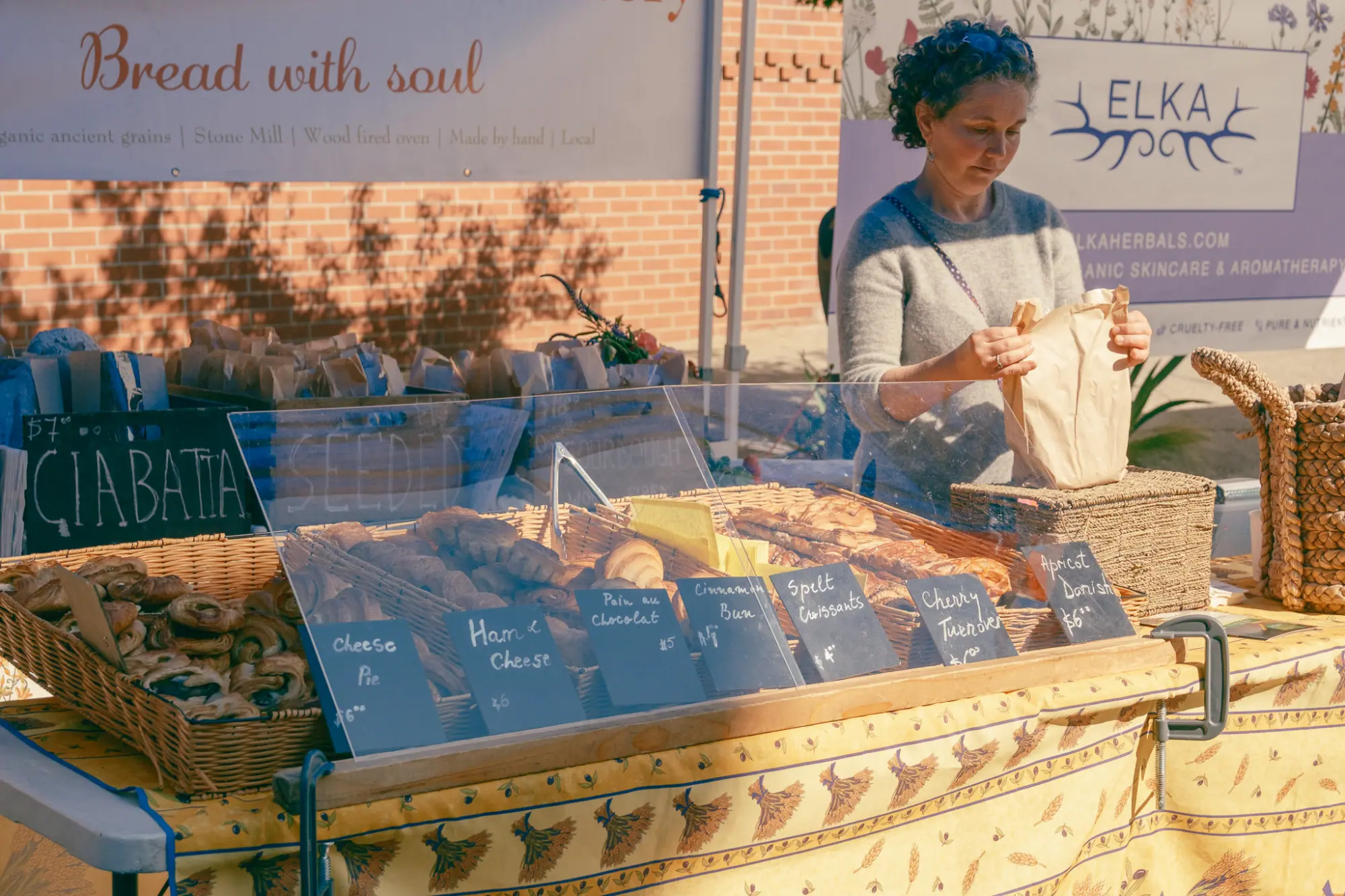
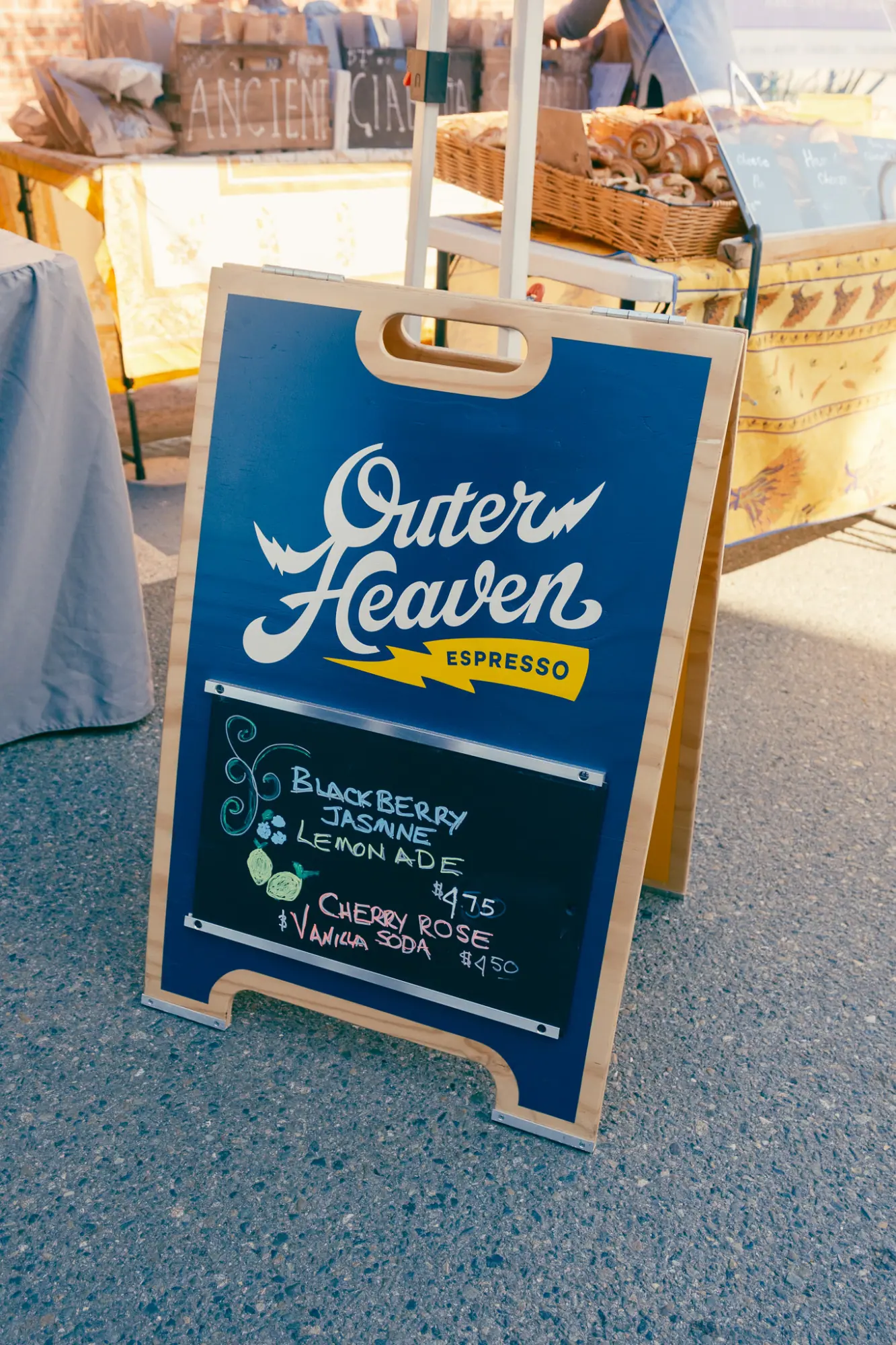
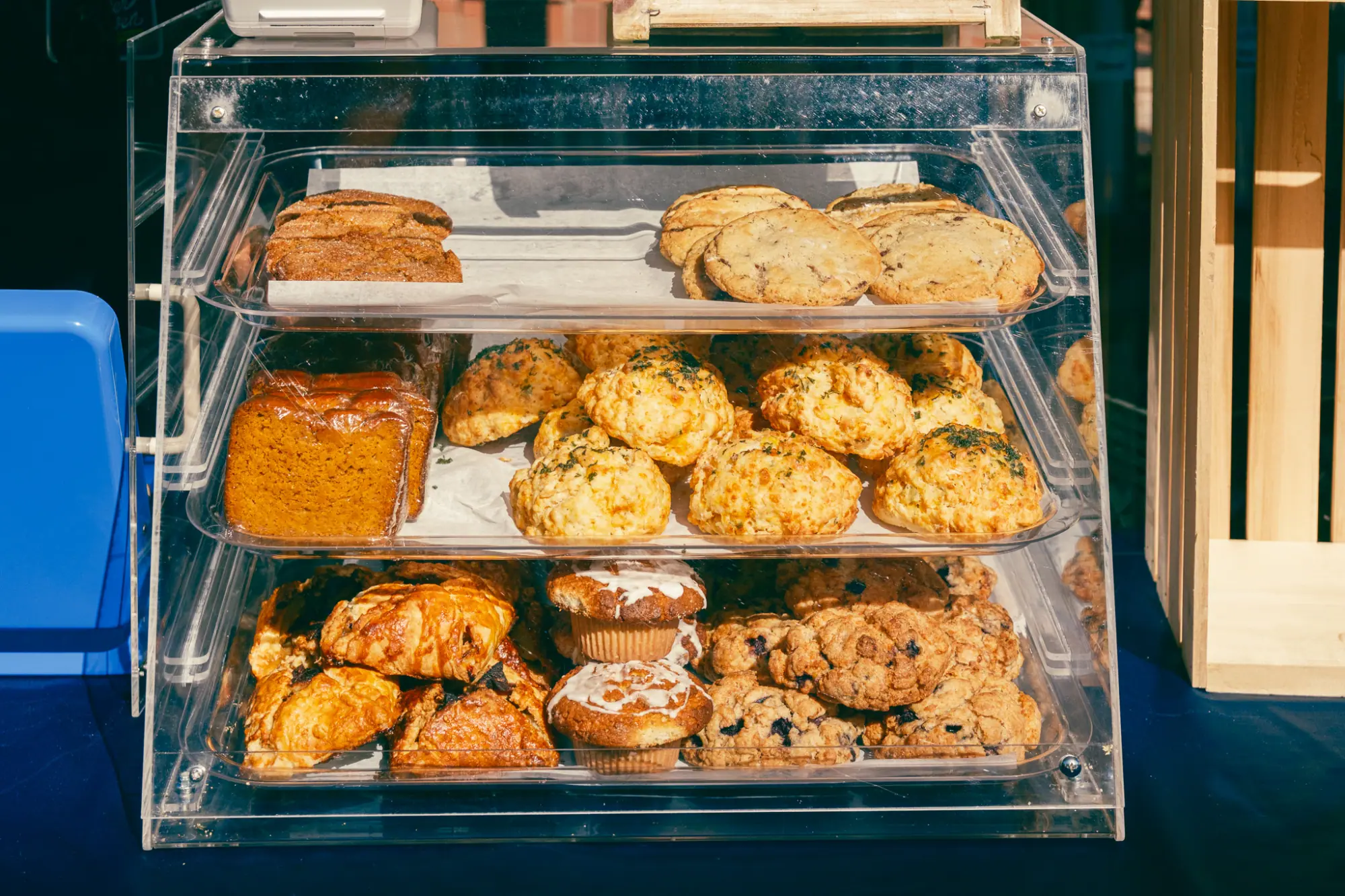
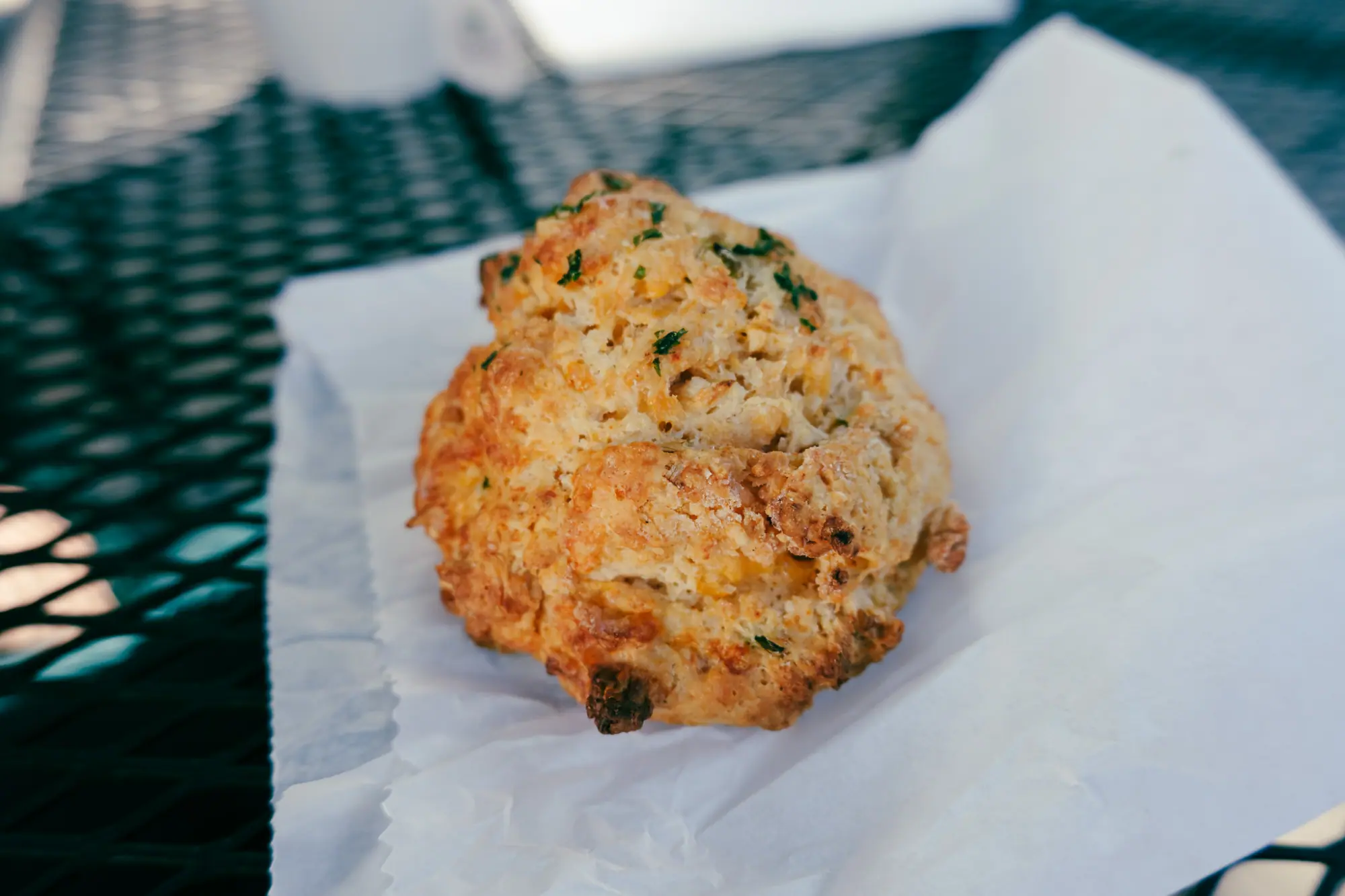
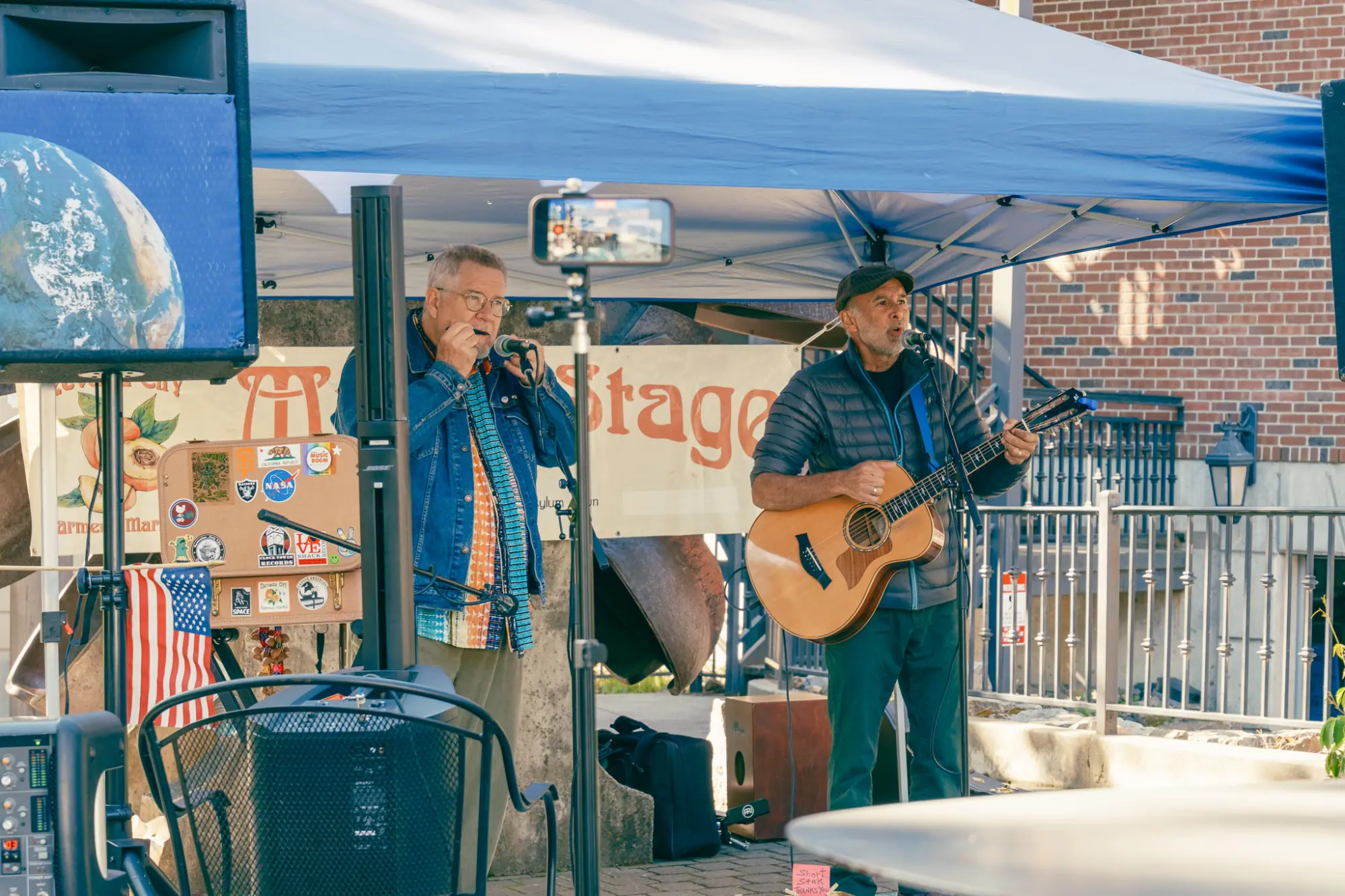
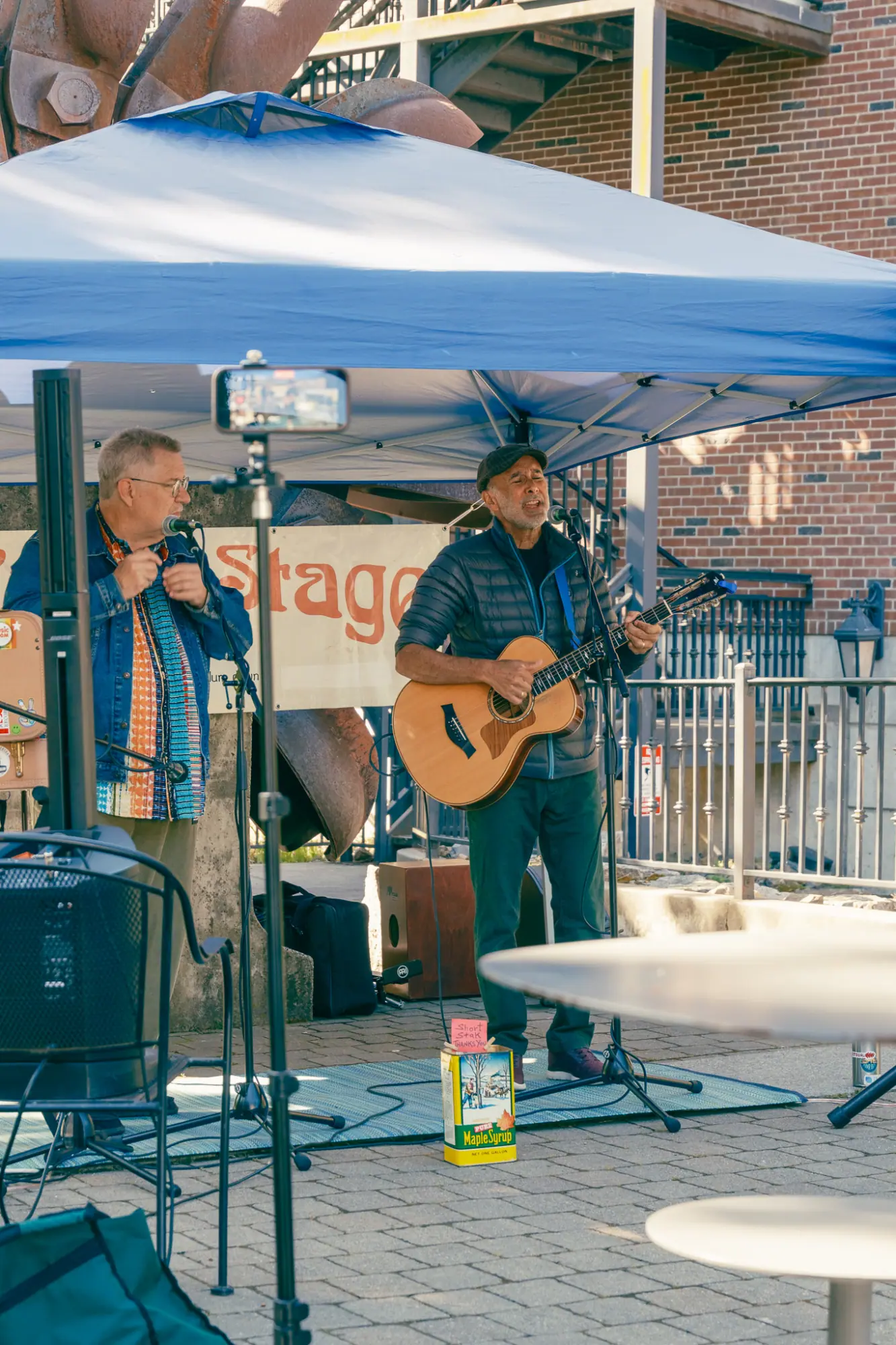
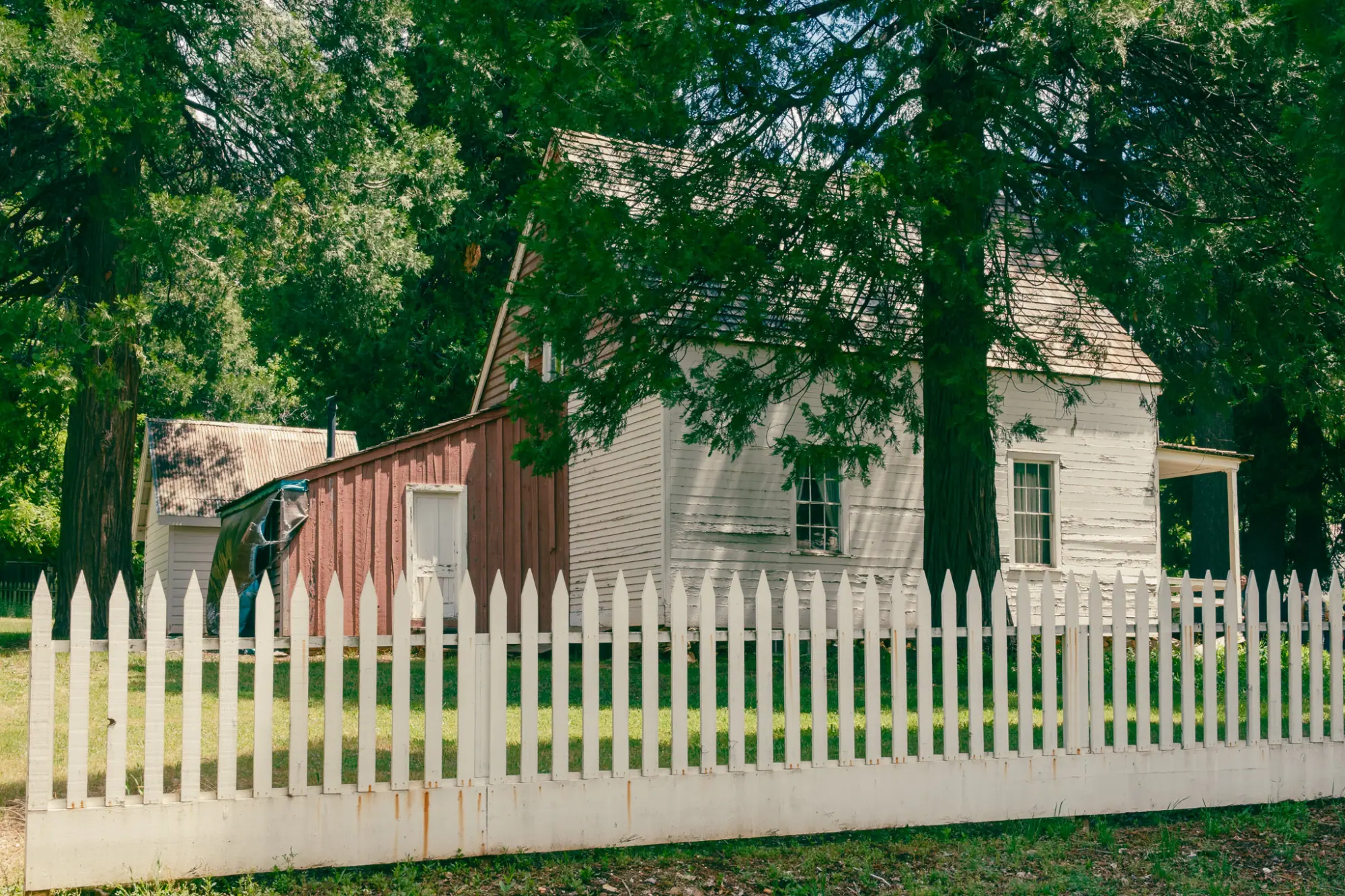
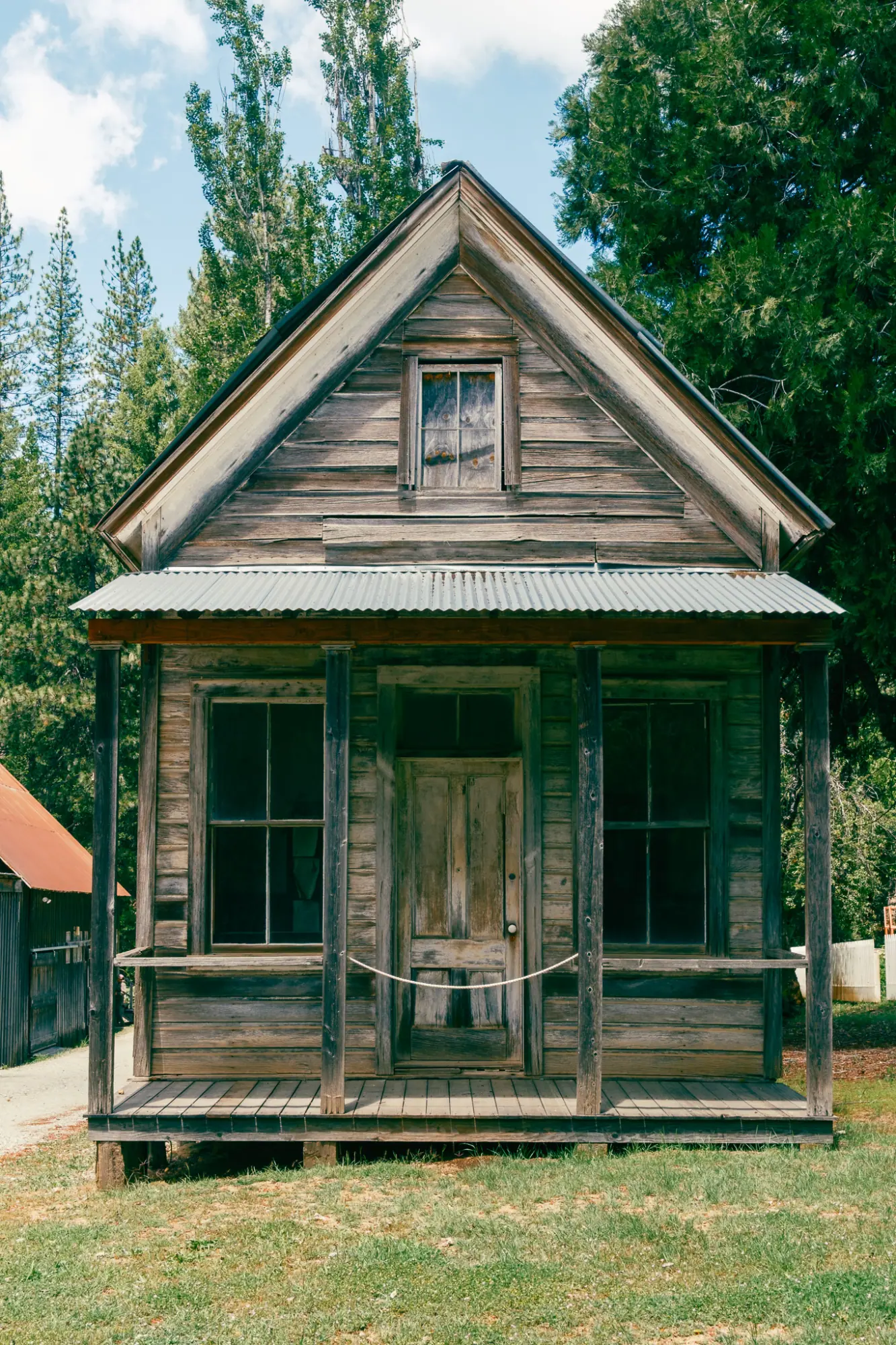
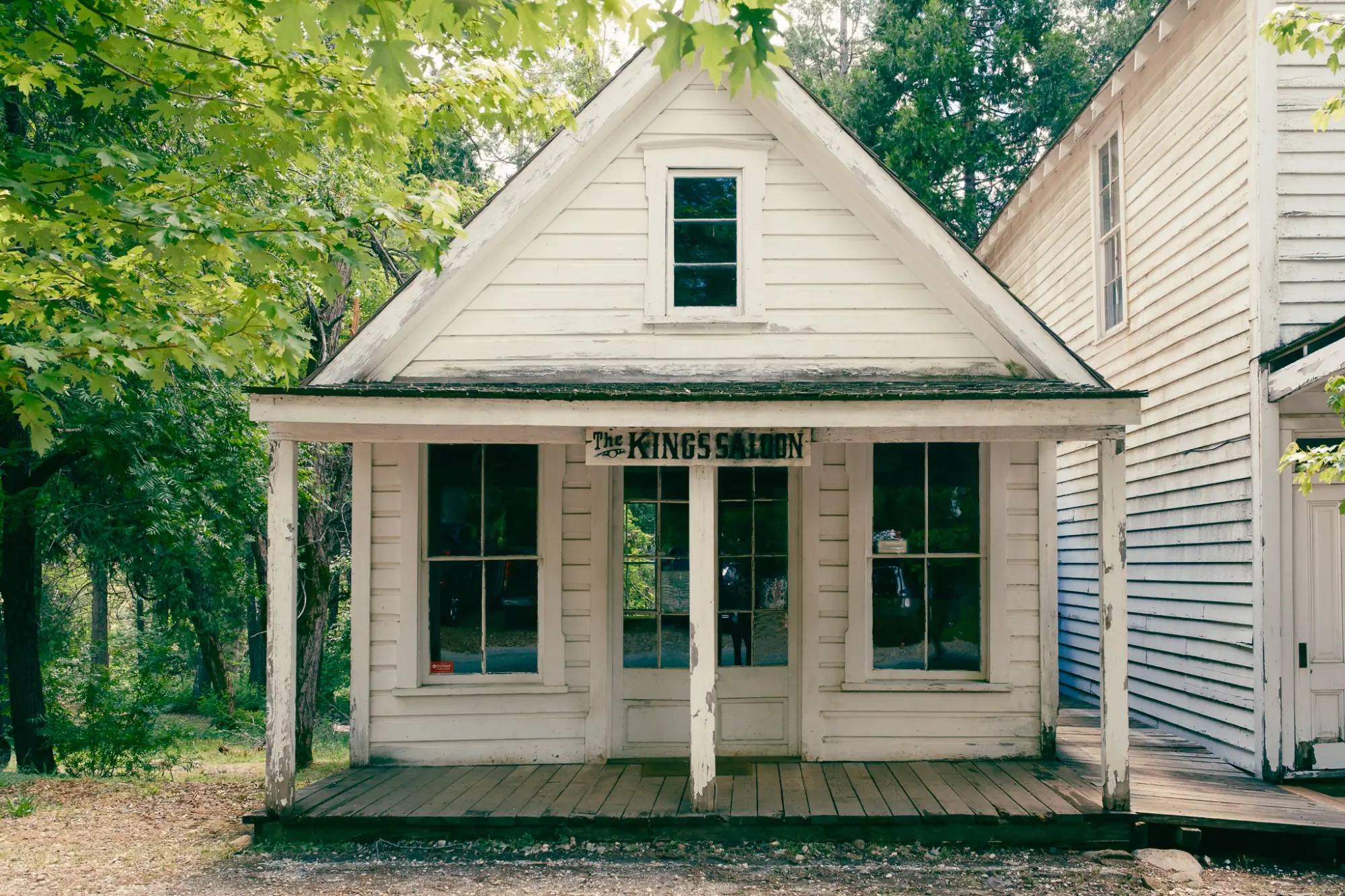
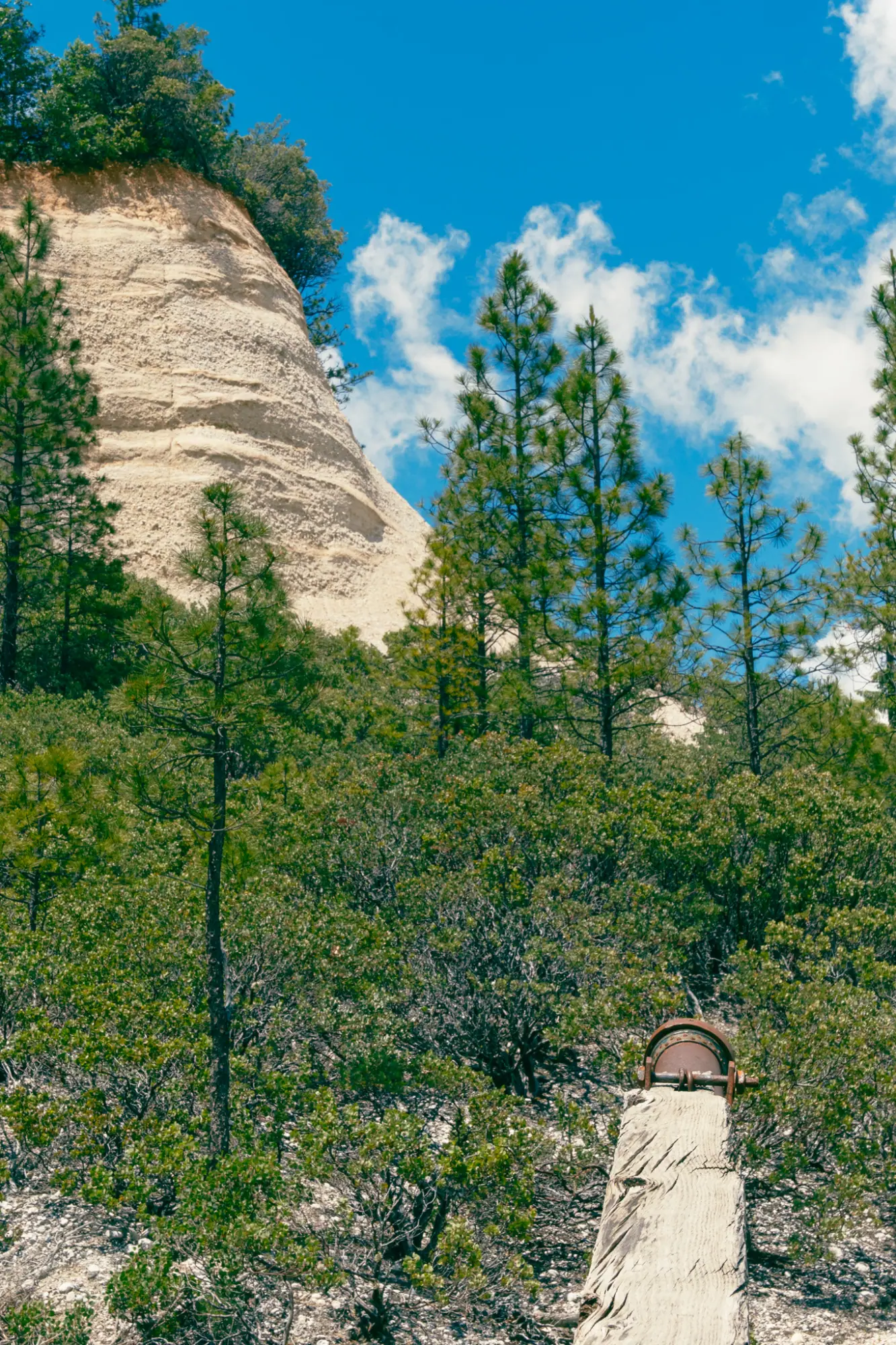
Then we drove out to Malakoff Diggins State Historic Park. On the way in, we stopped at North Bloomfield, the old mining town that is now essentially a ghost town, with its weathered wooden buildings still standing.
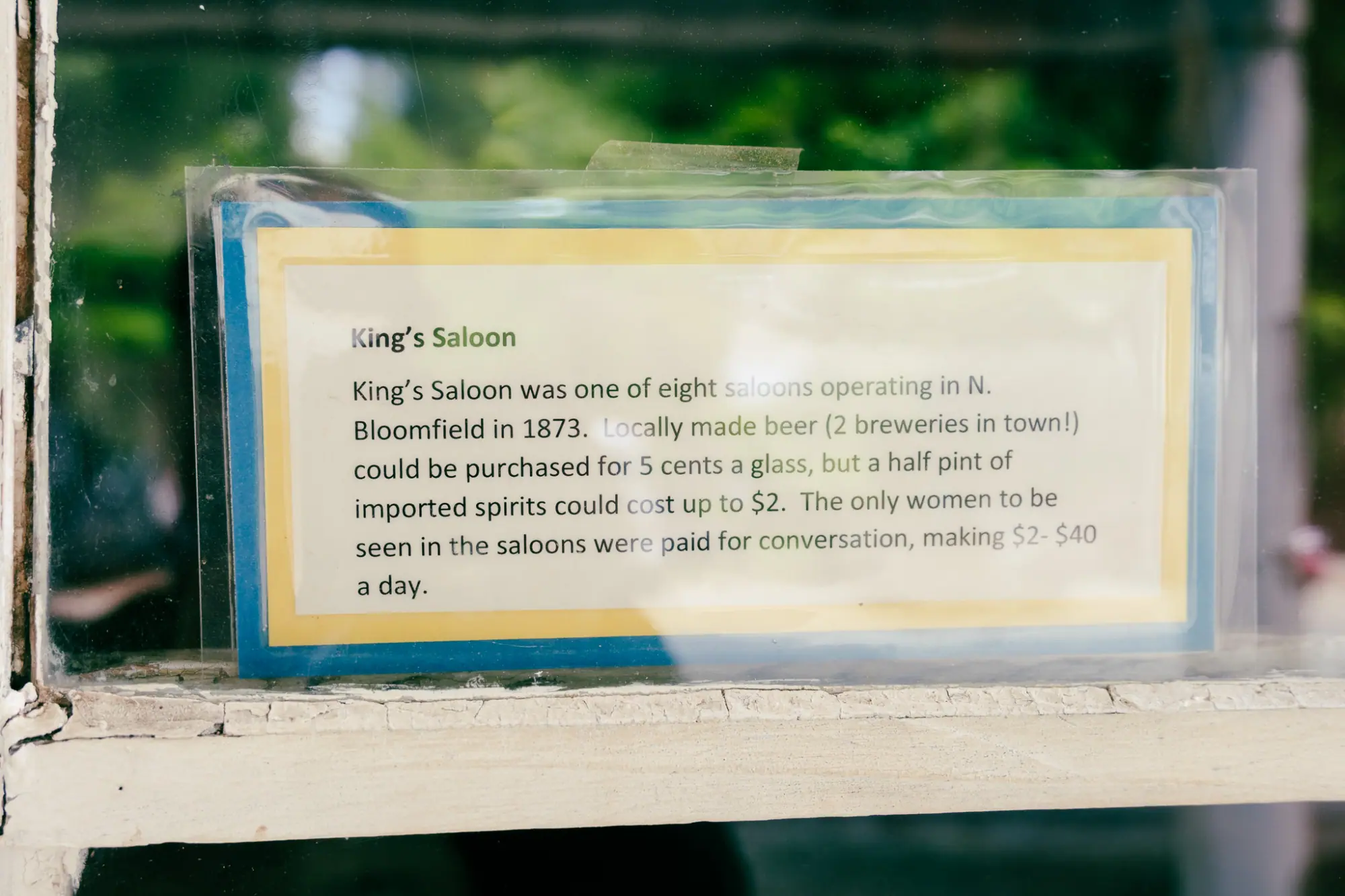
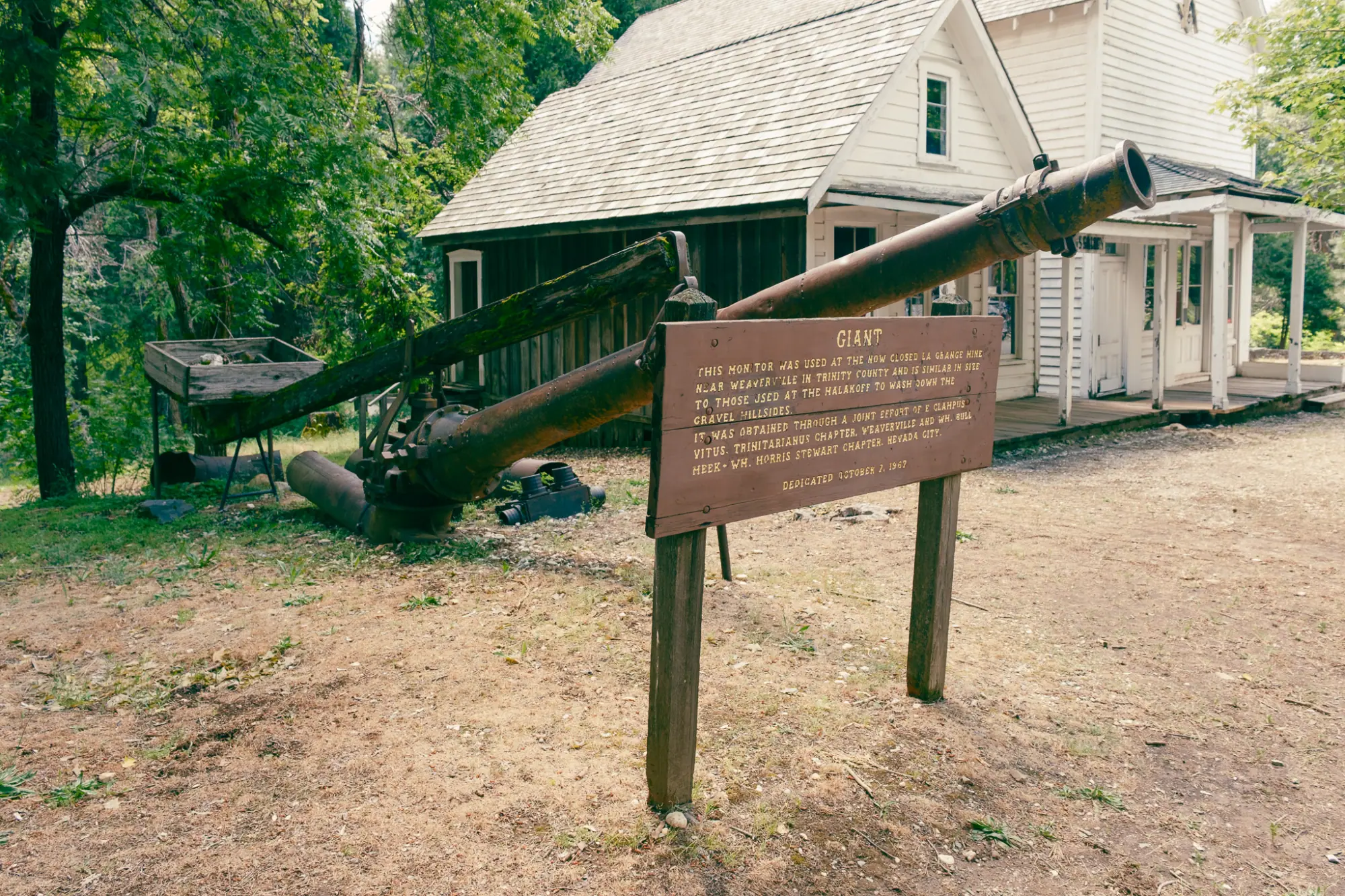
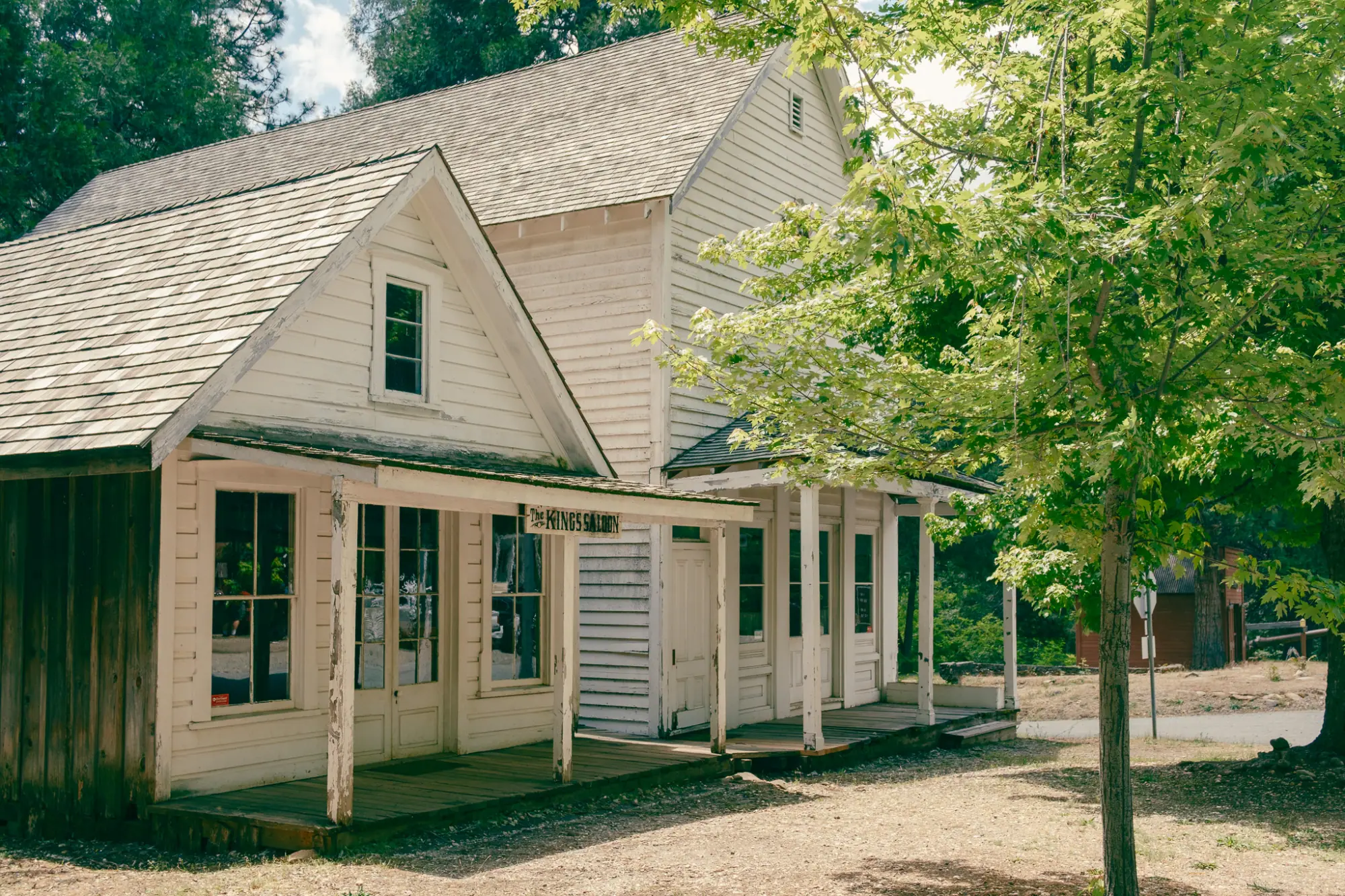
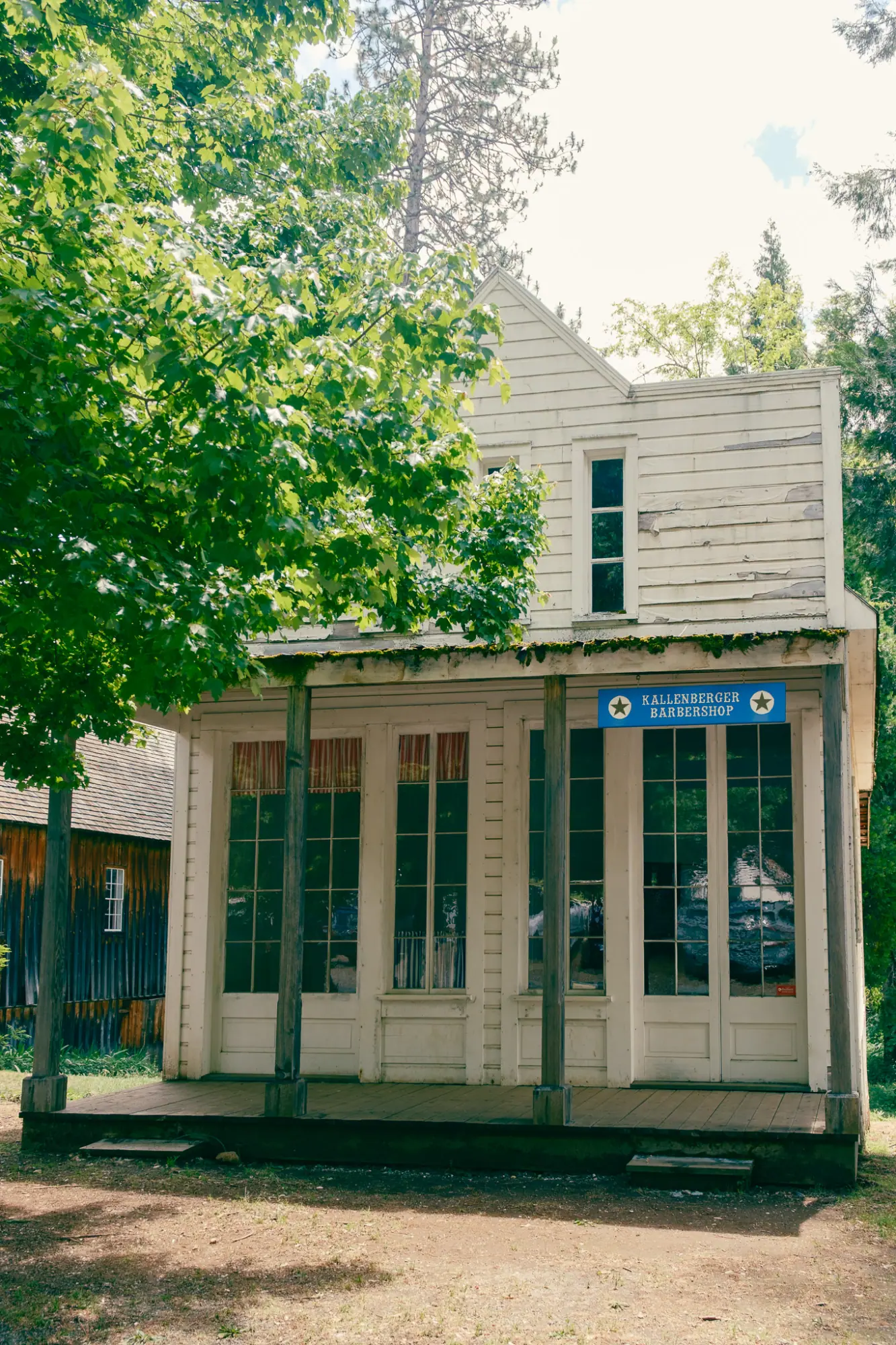
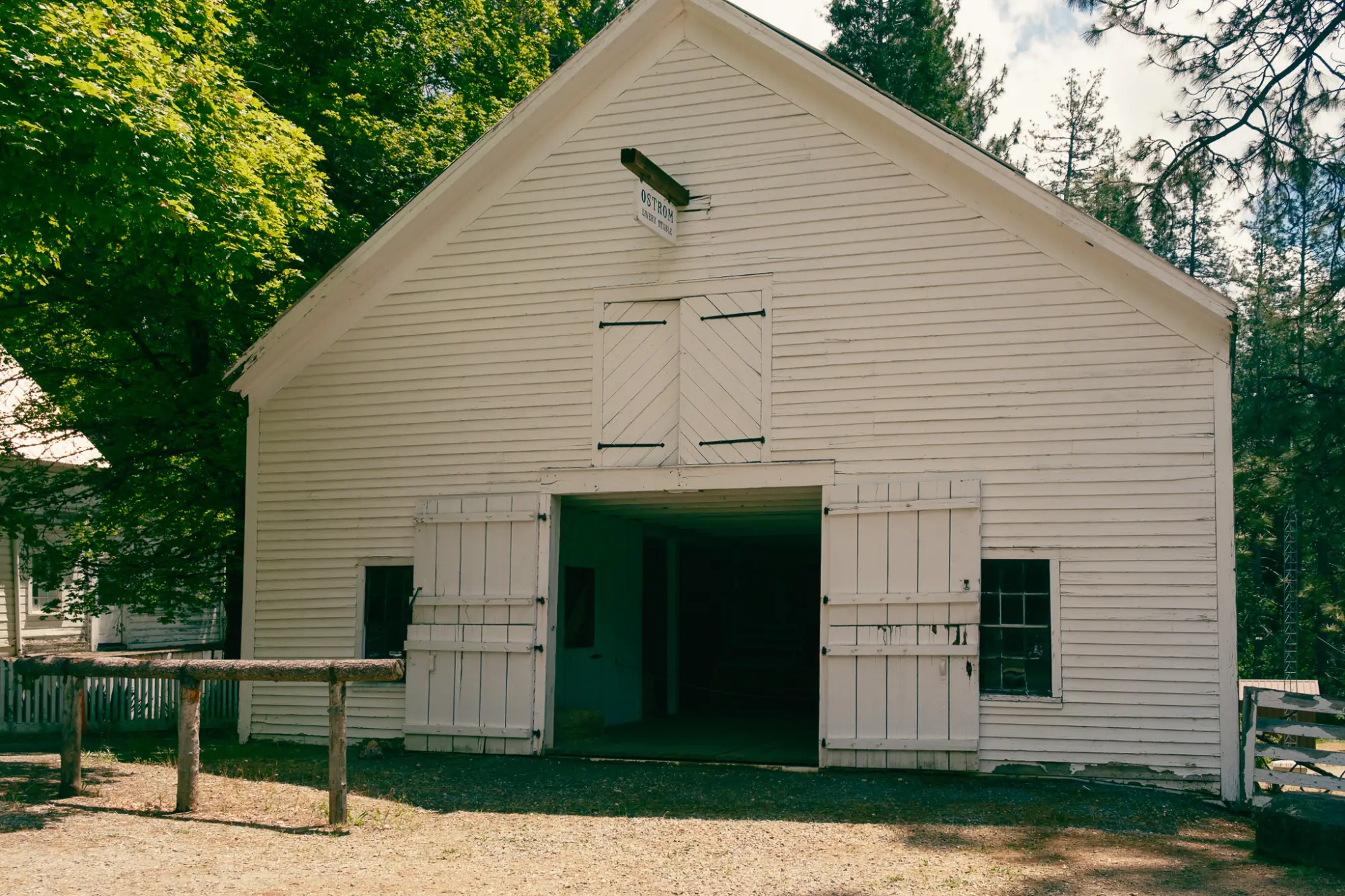
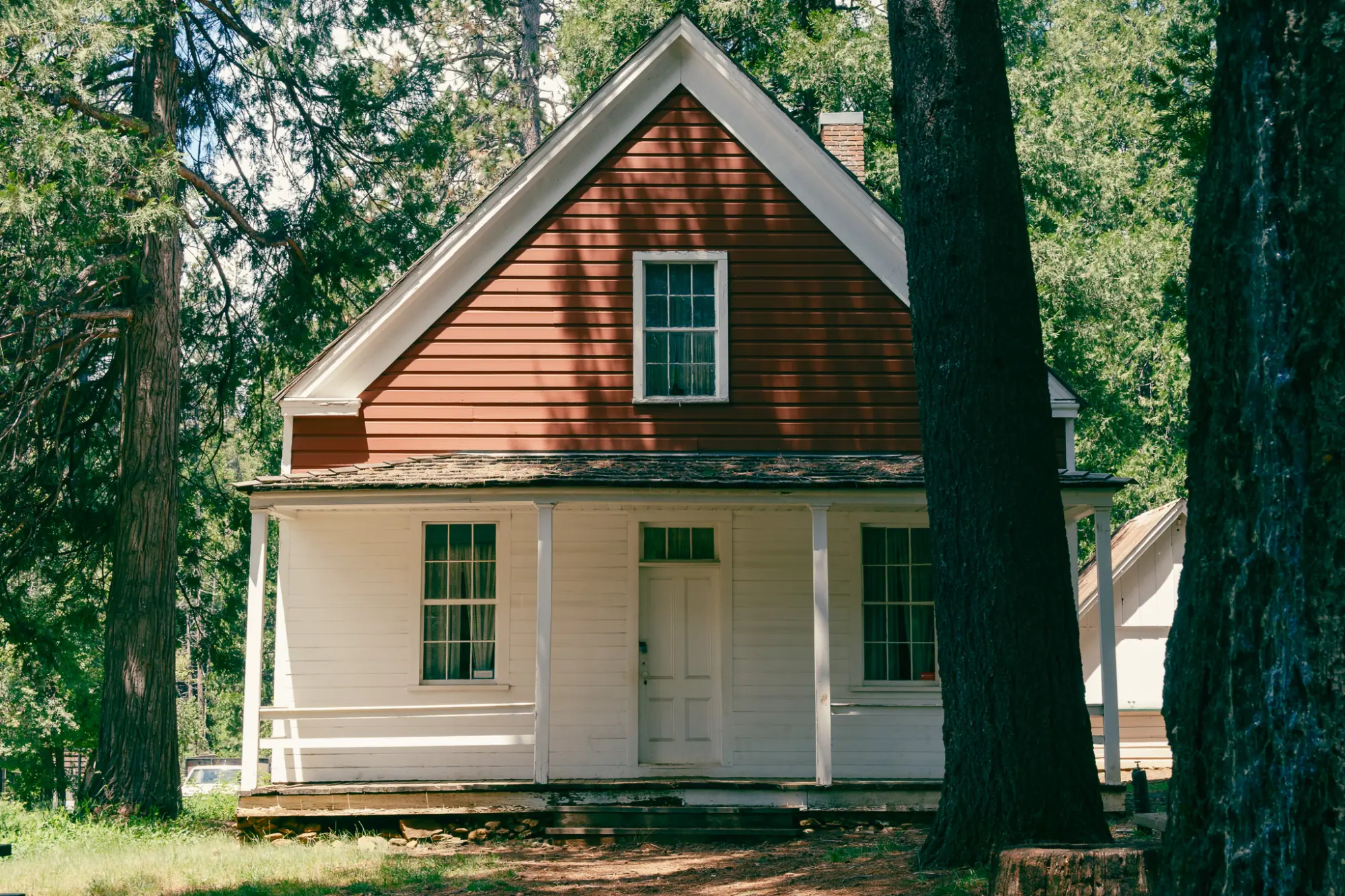
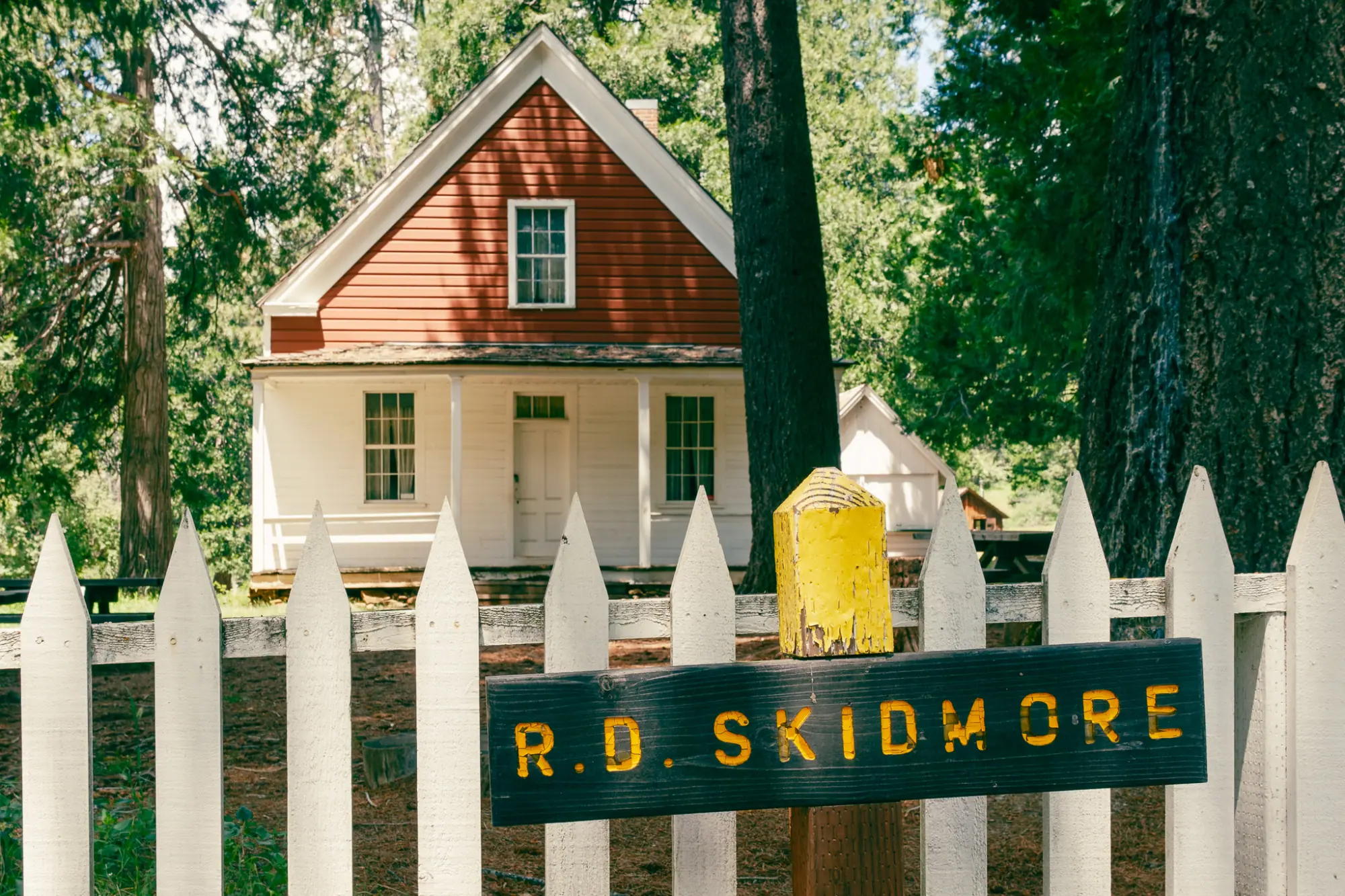
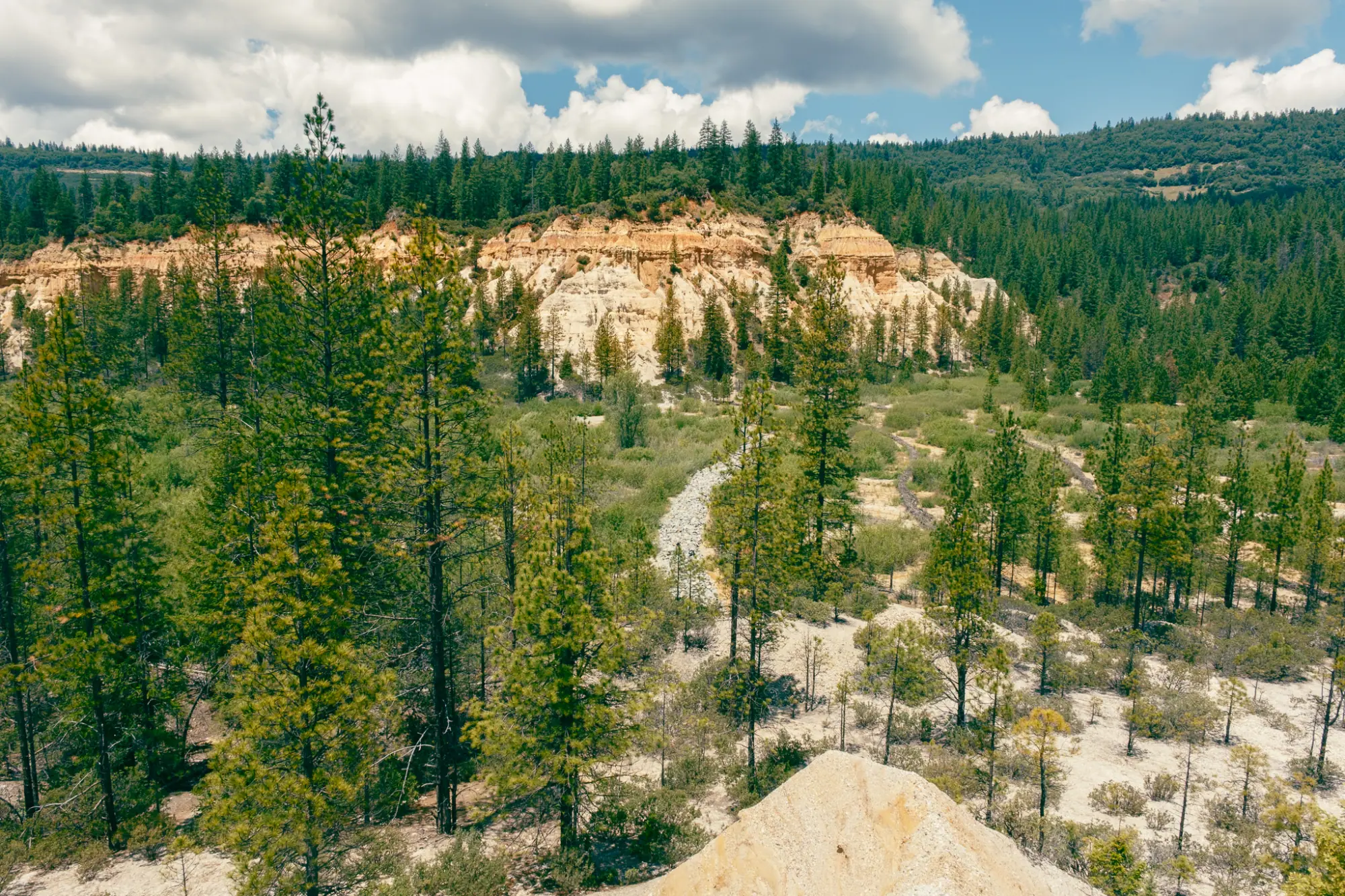
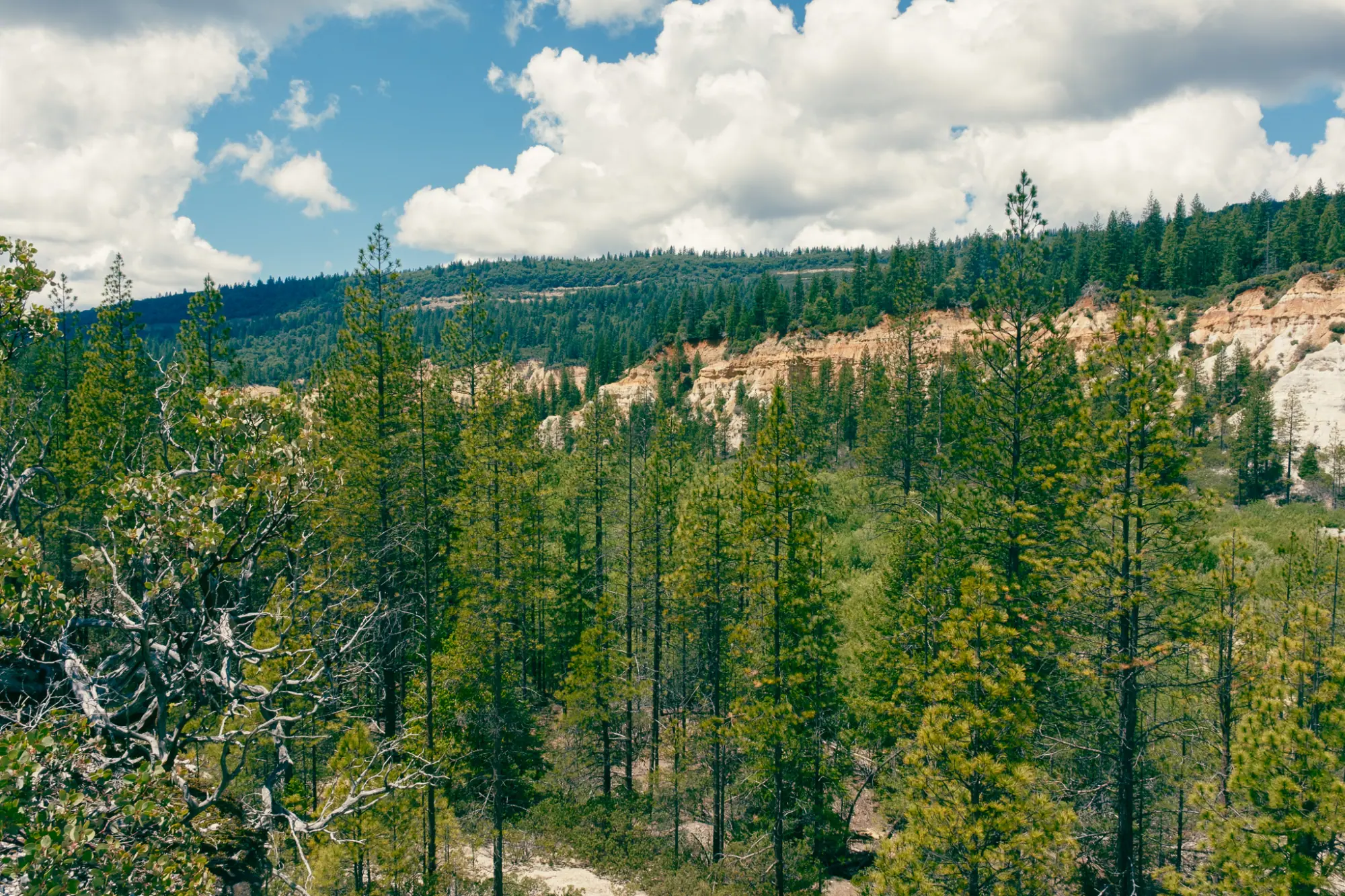
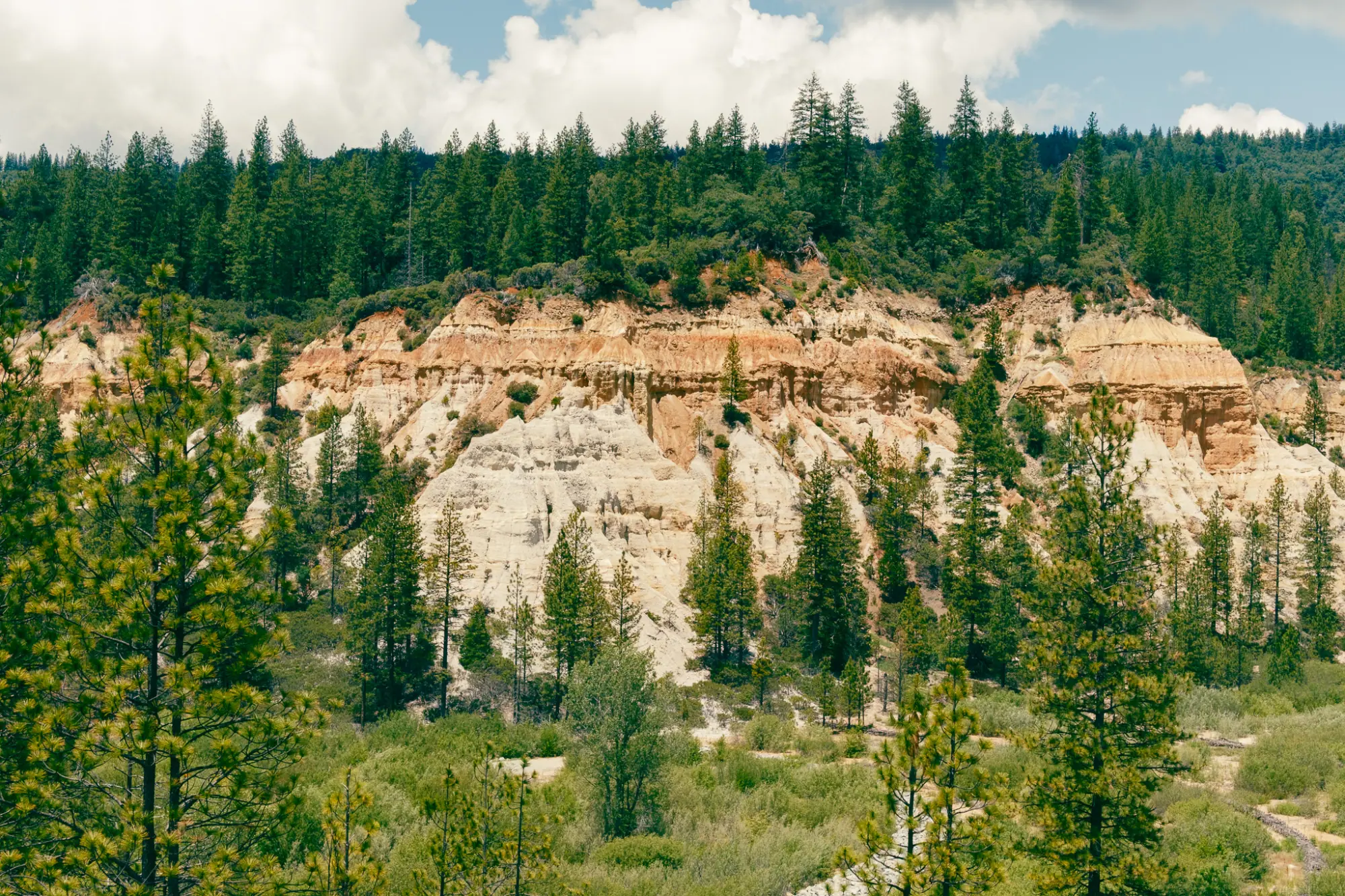
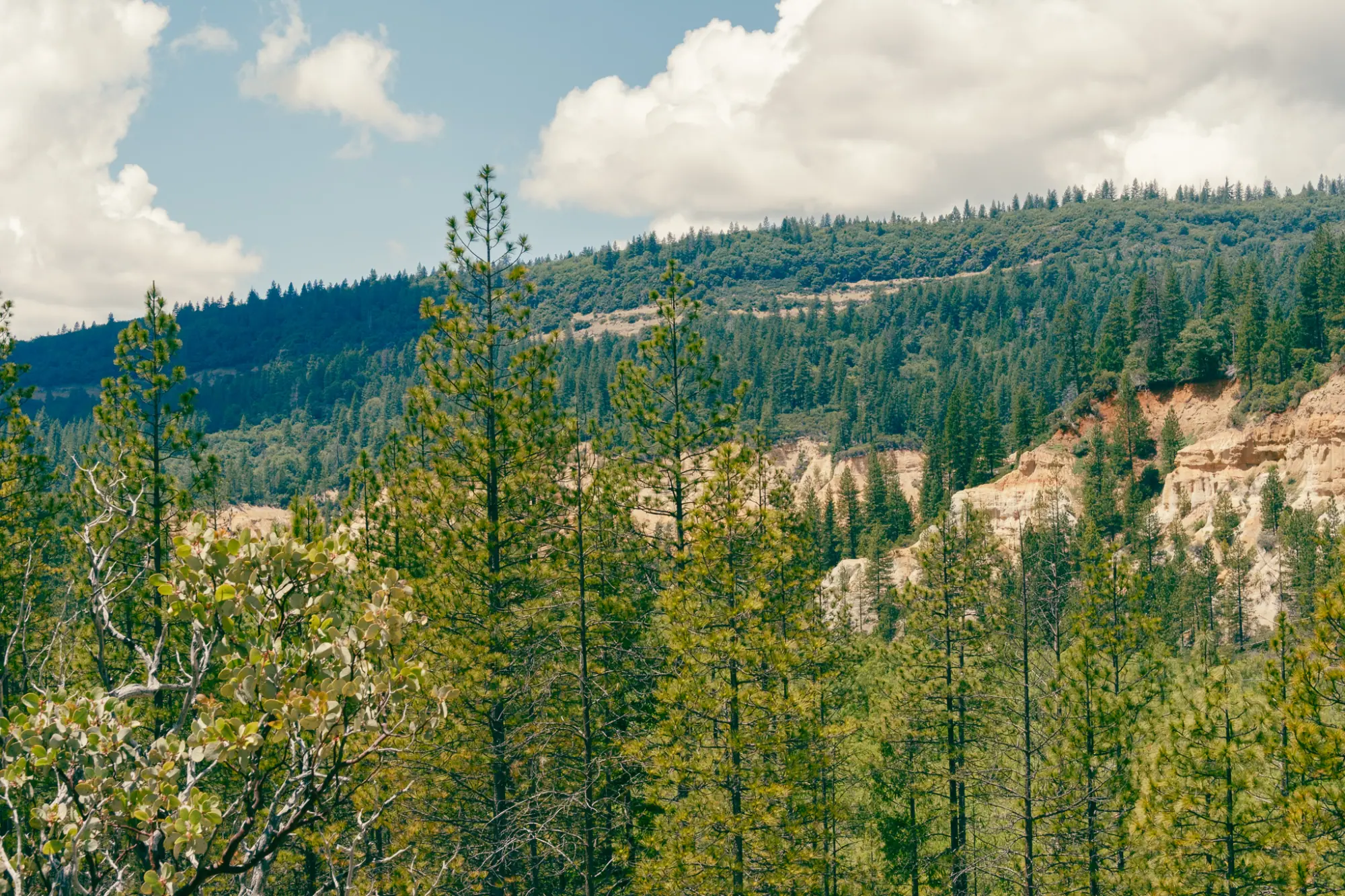
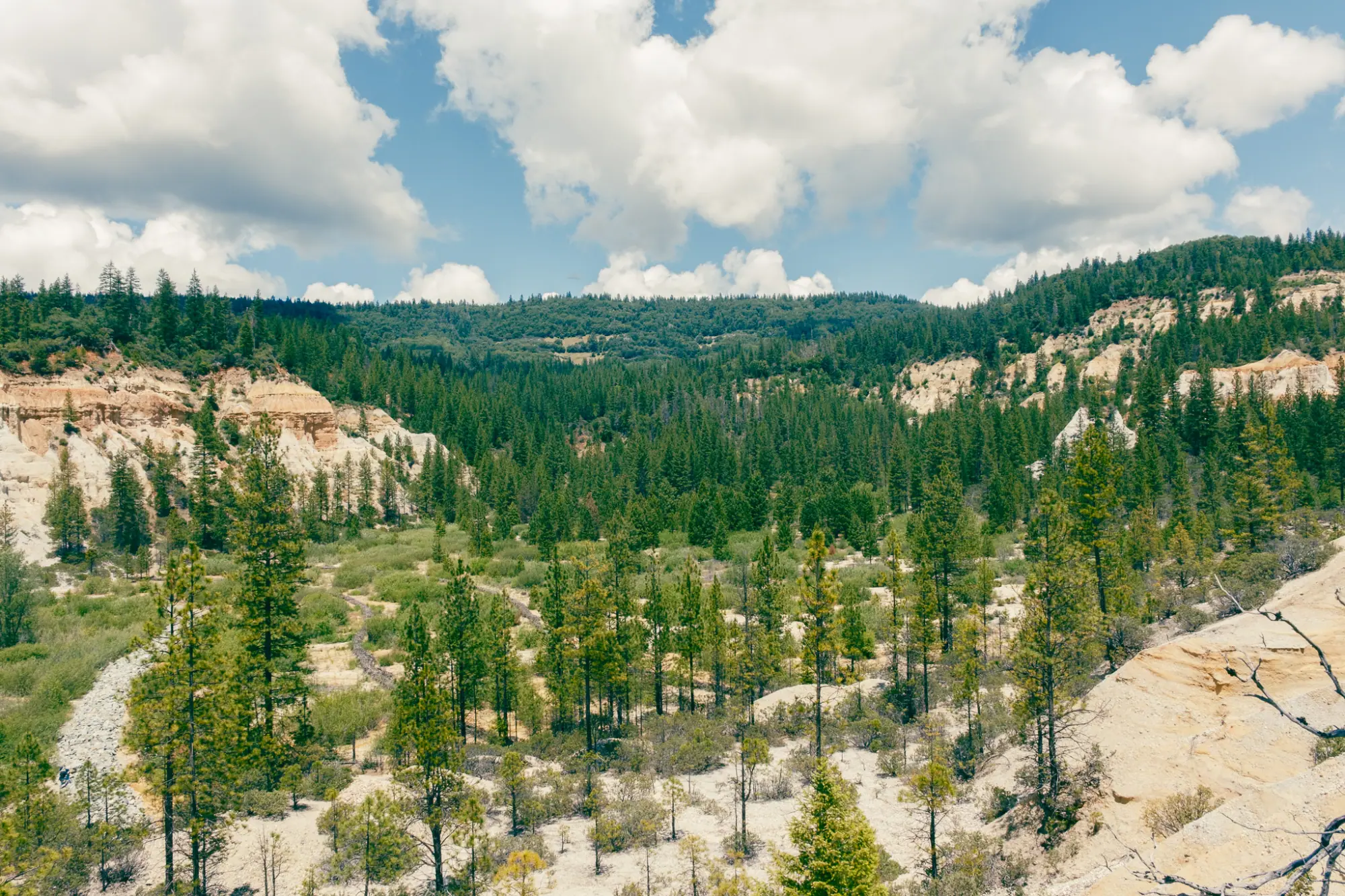
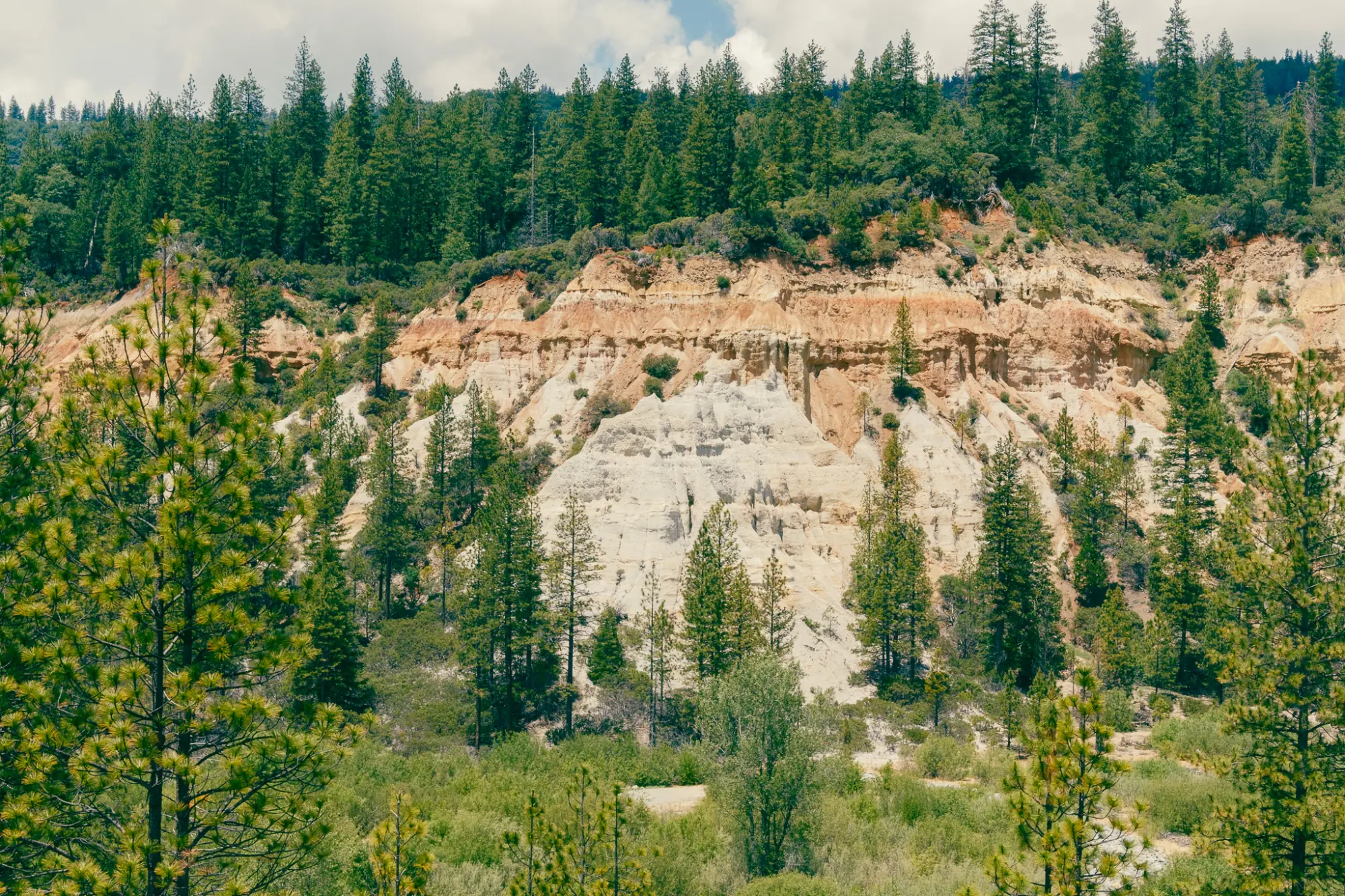
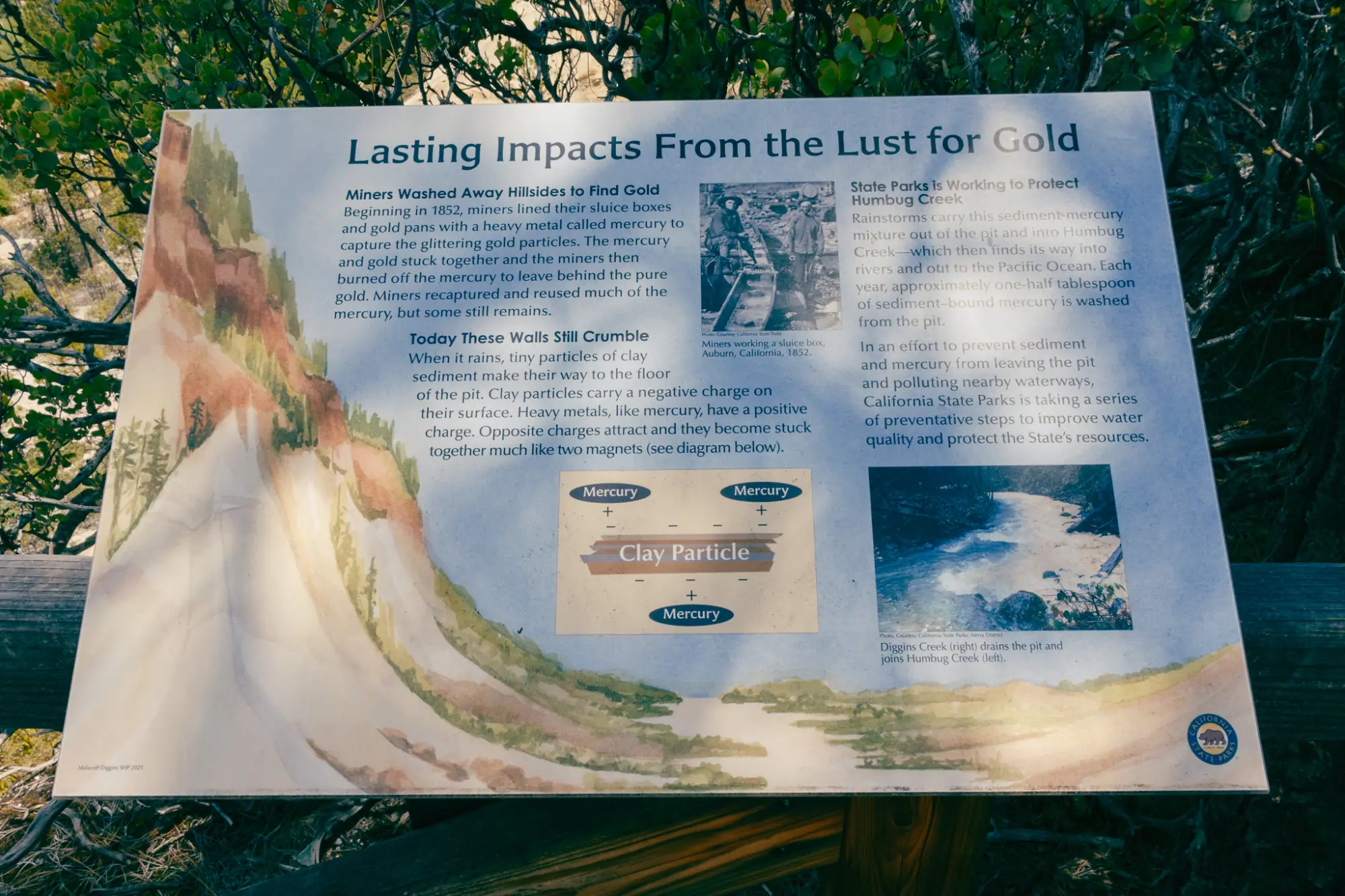
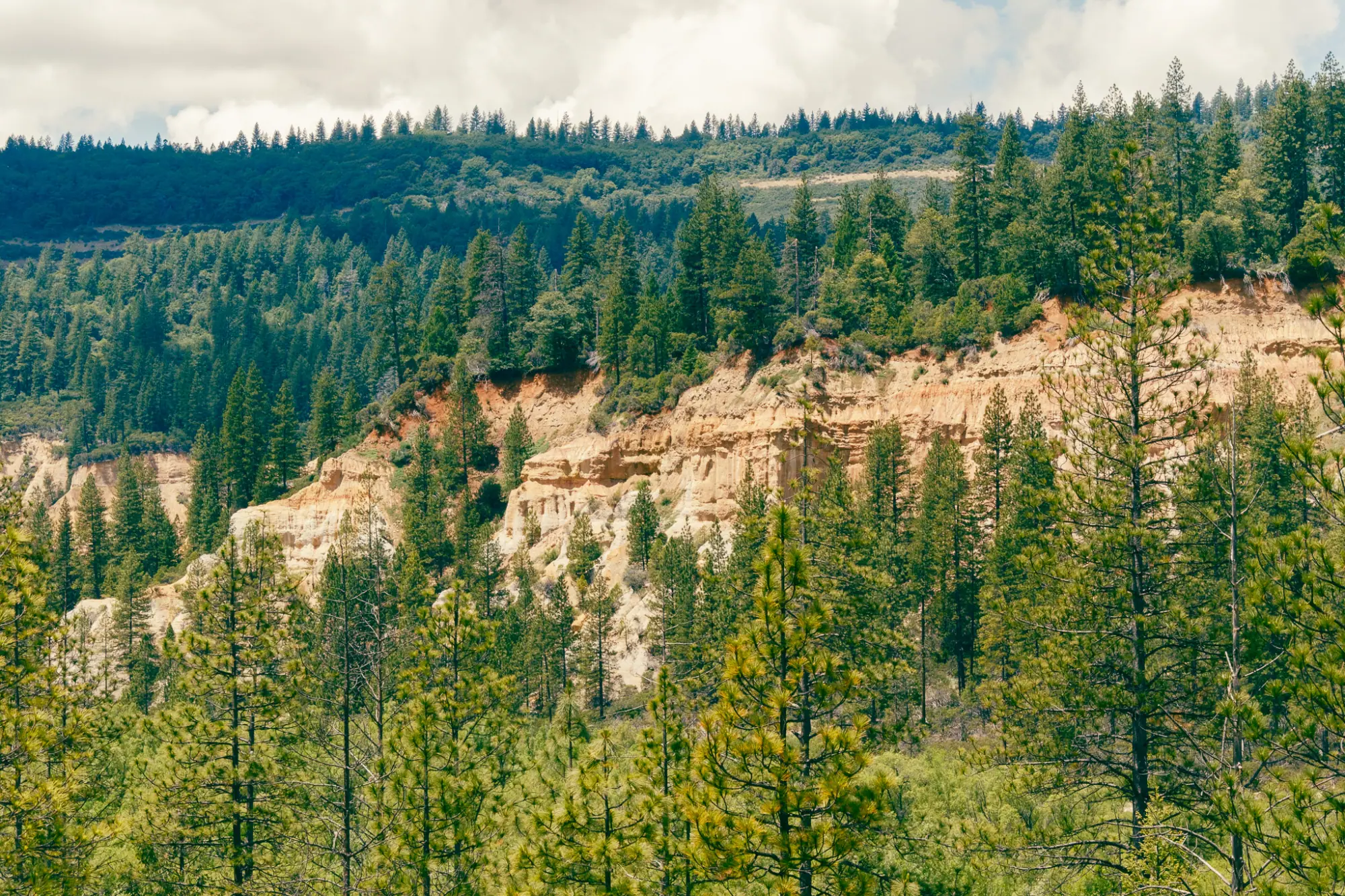
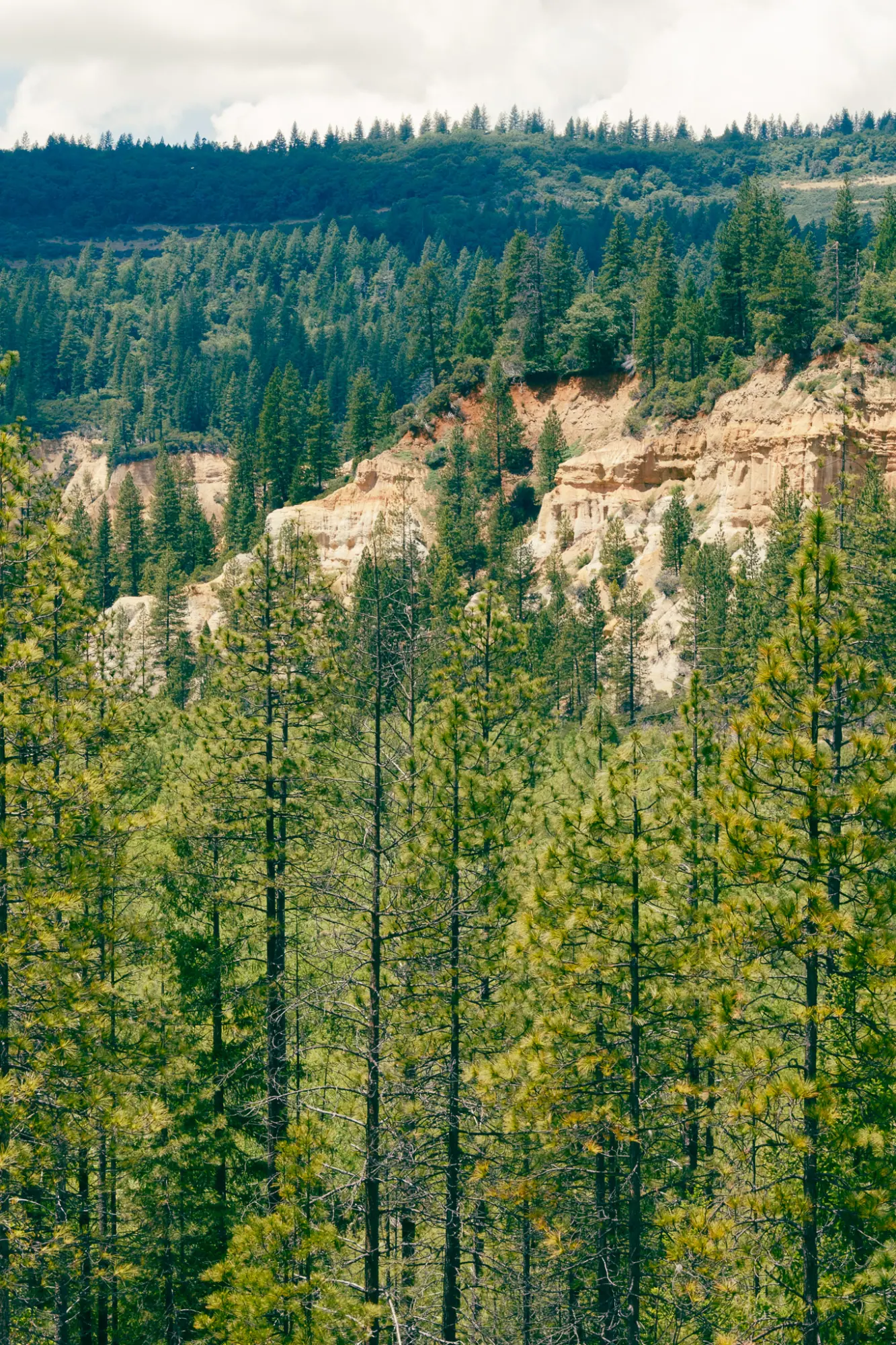
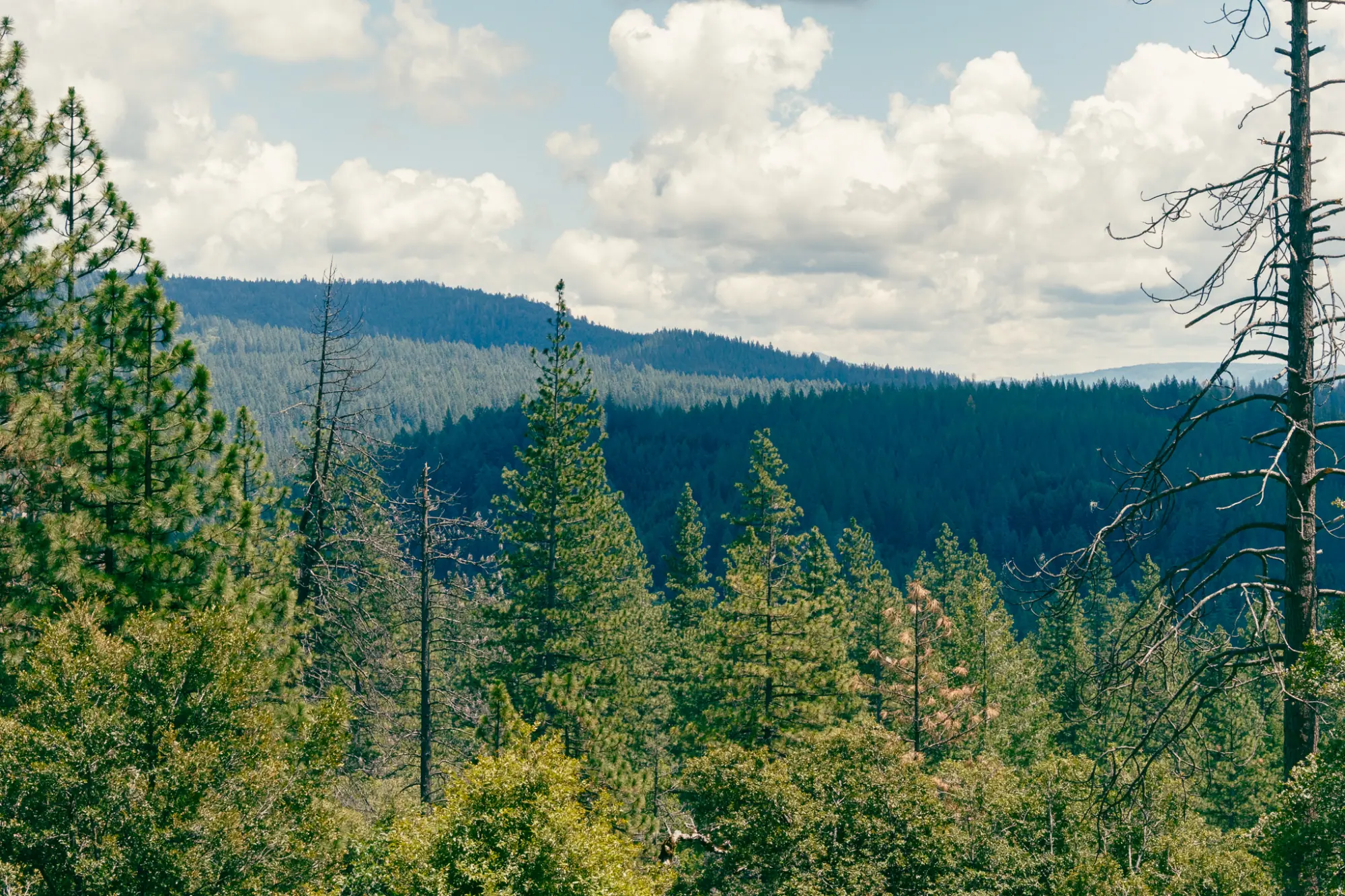
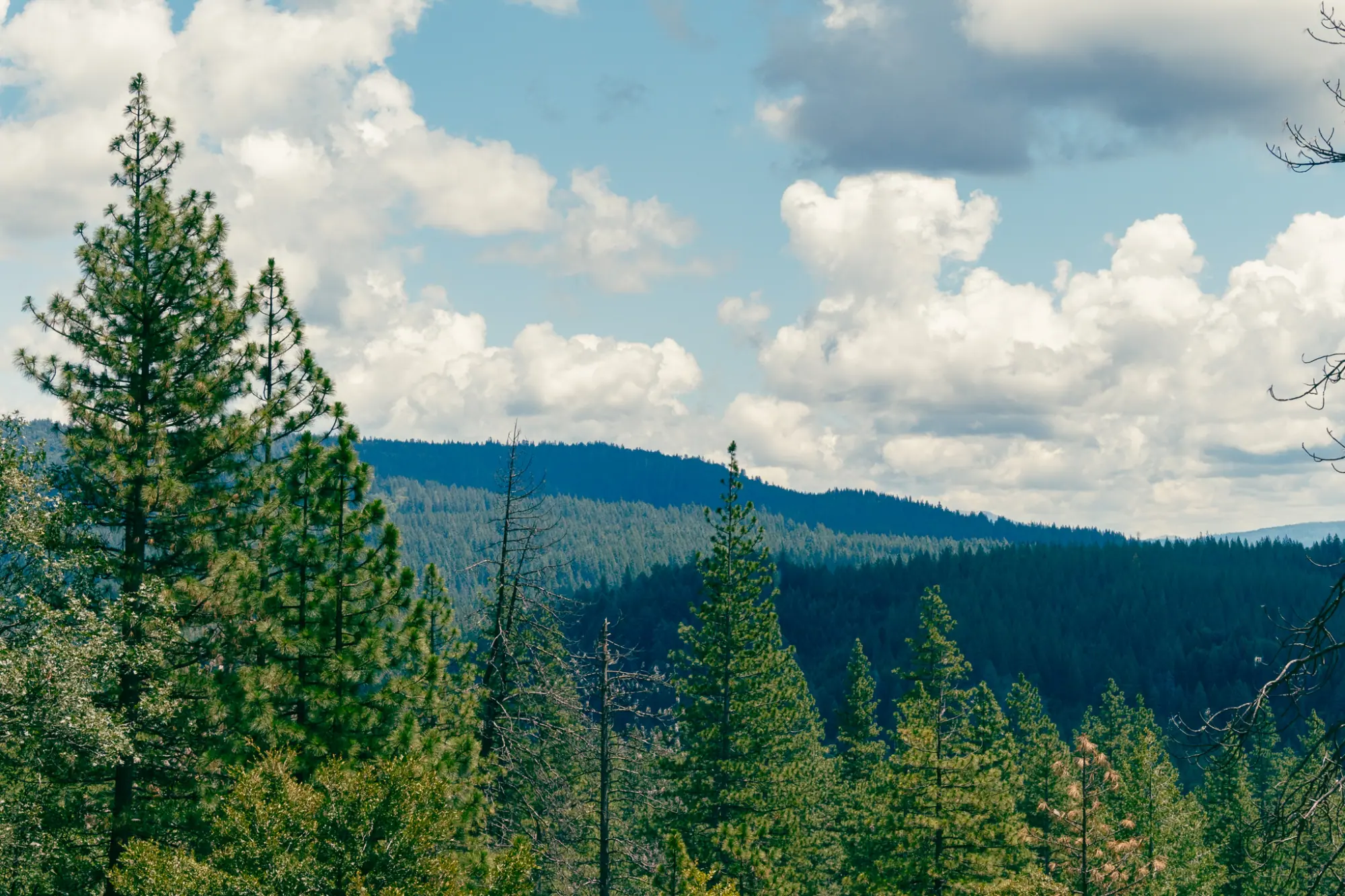
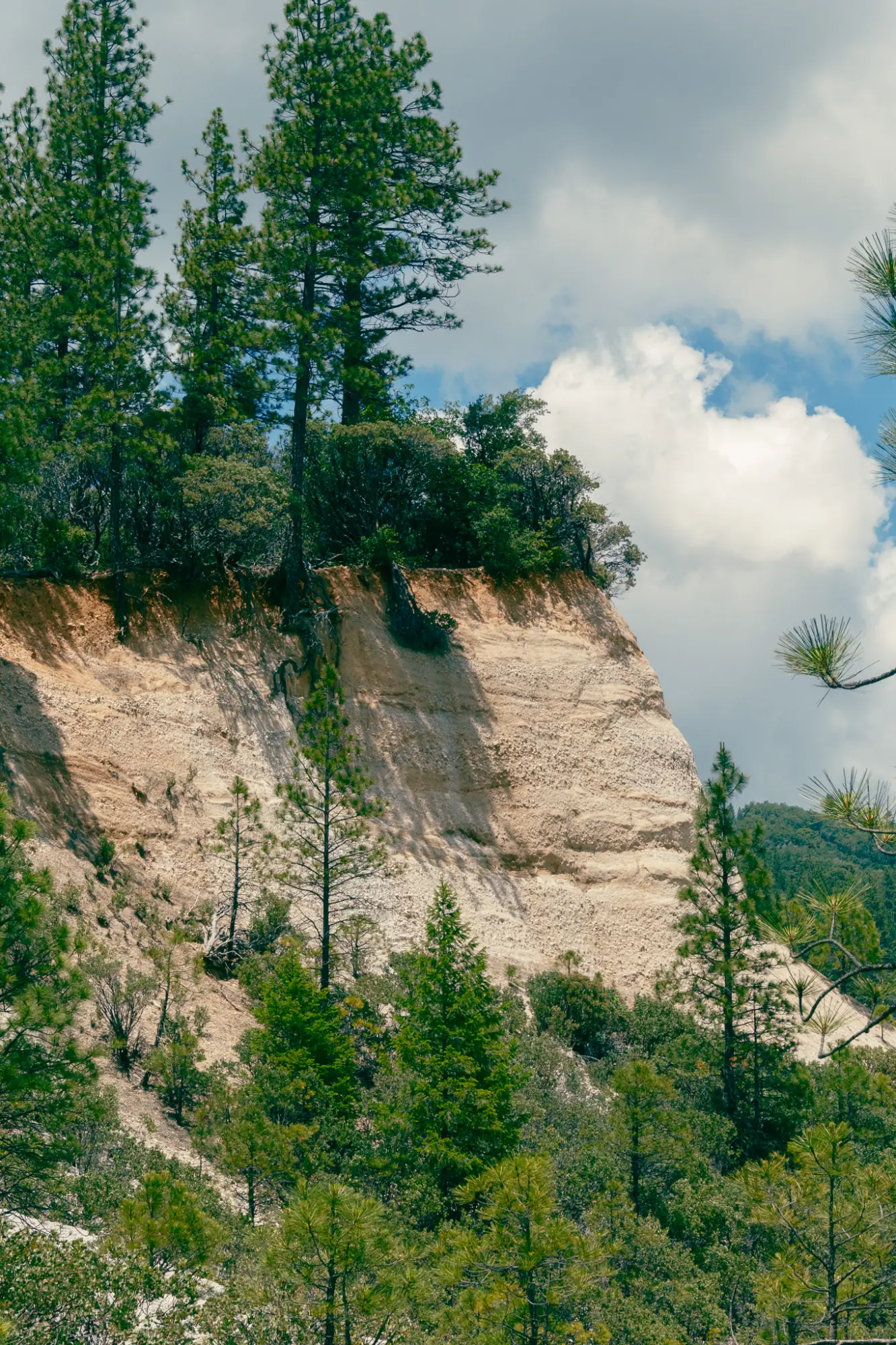
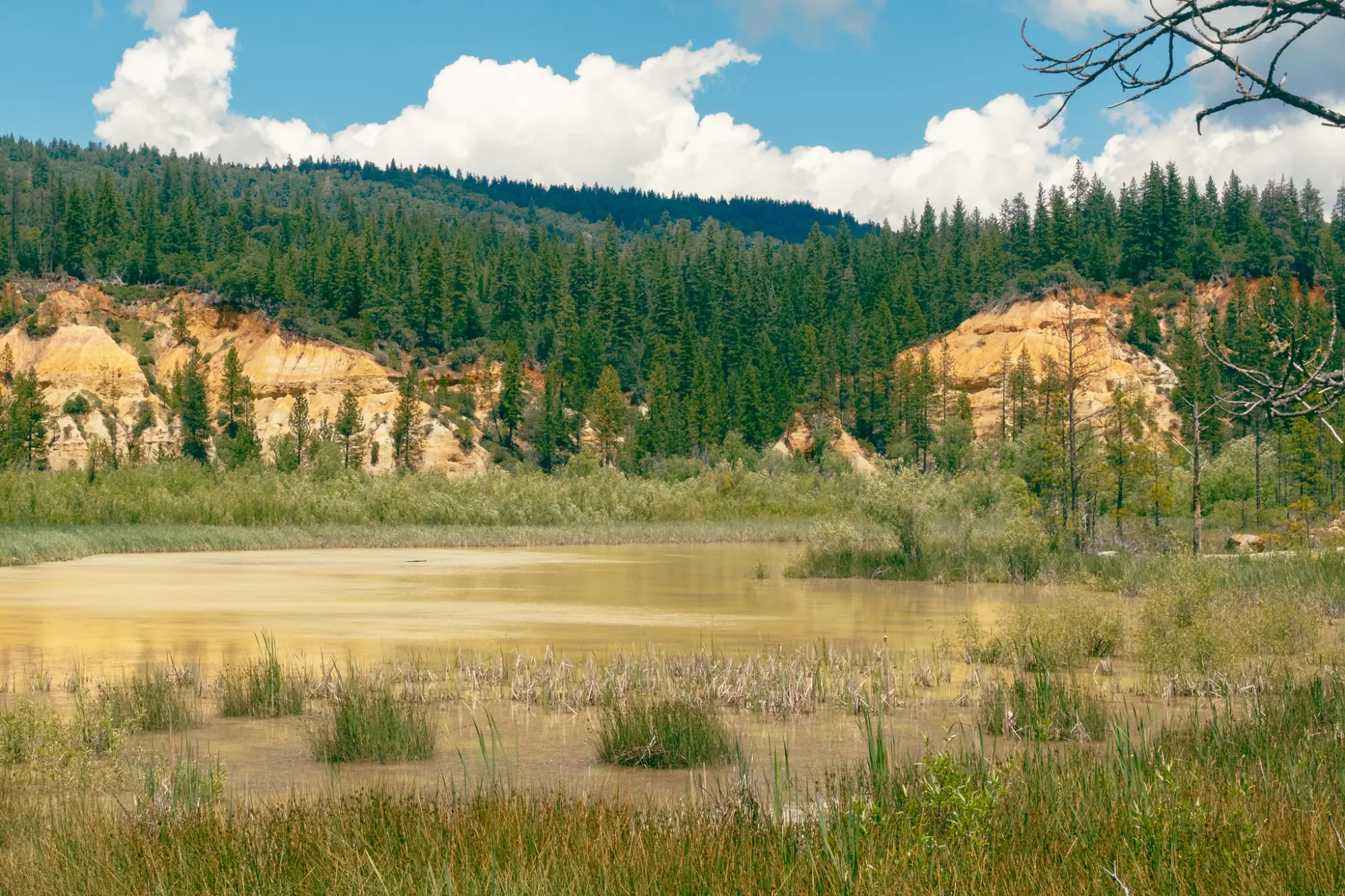
The Diggins themselves are something else. This was the site of the largest hydraulic gold mine in California. Instead of digging, miners aimed massive water cannons at the hillsides and simply blasted the mountains apart to wash out the gold. You can still see the scars carved into the landscape today. The debris flowed downstream and buried farmland in the valleys below, which led to the 1884 Sawyer Decision, the ruling that effectively ended hydraulic mining in the region and is often described as one of the first environmental decisions in the country. Standing at the edge of that pit, it is hard to wrap your head around what people were willing to do to a mountain for gold.
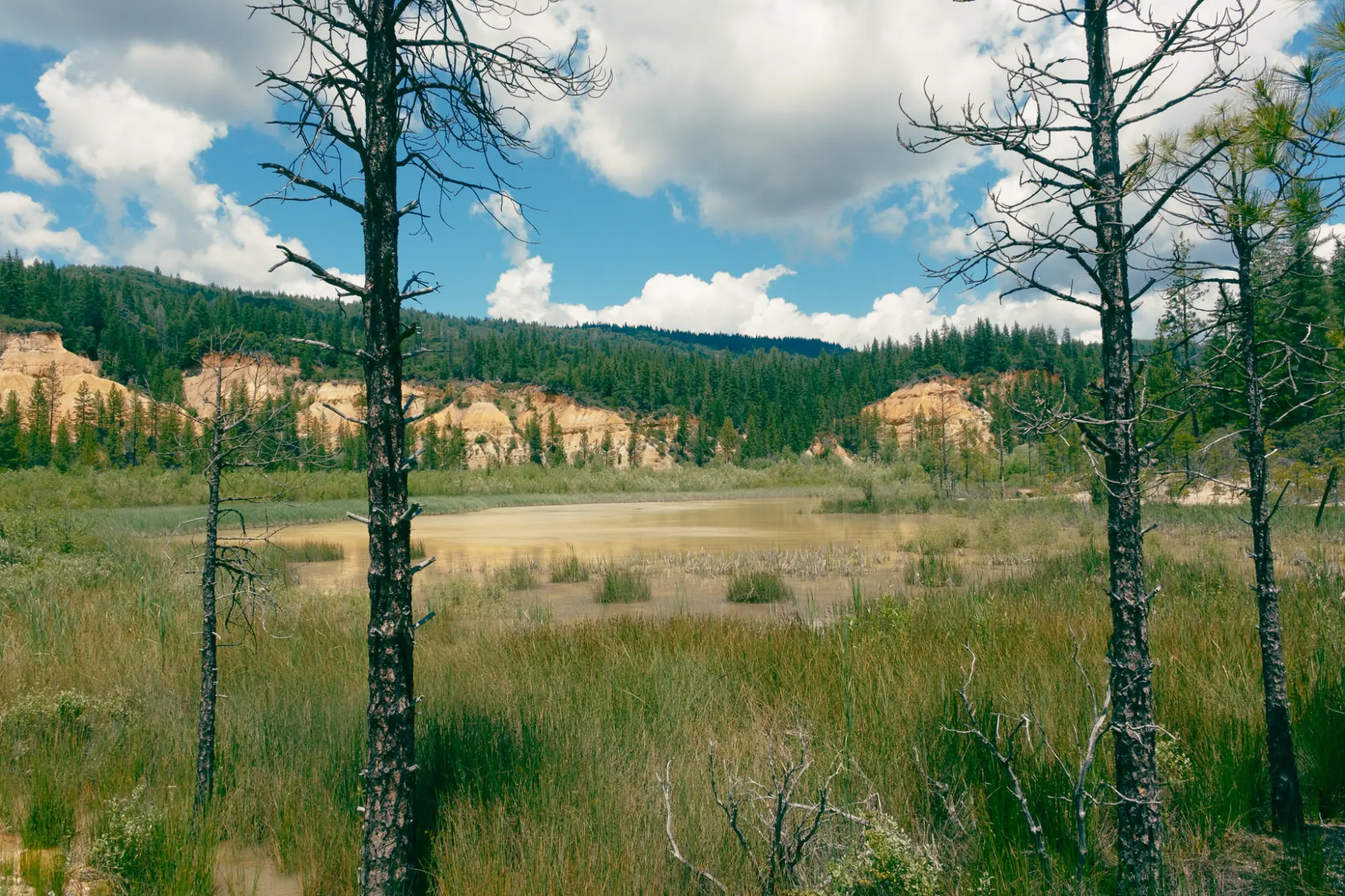
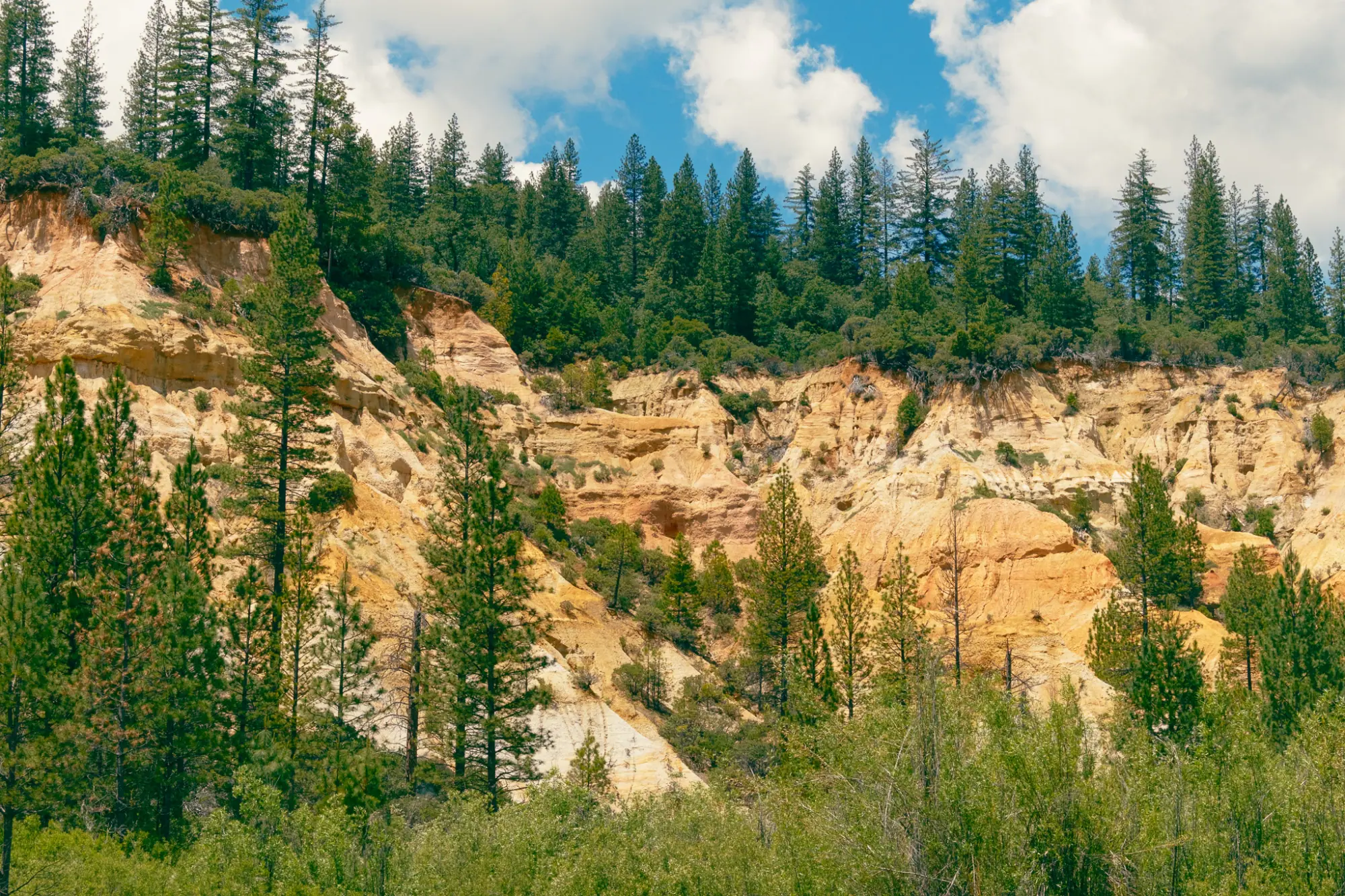
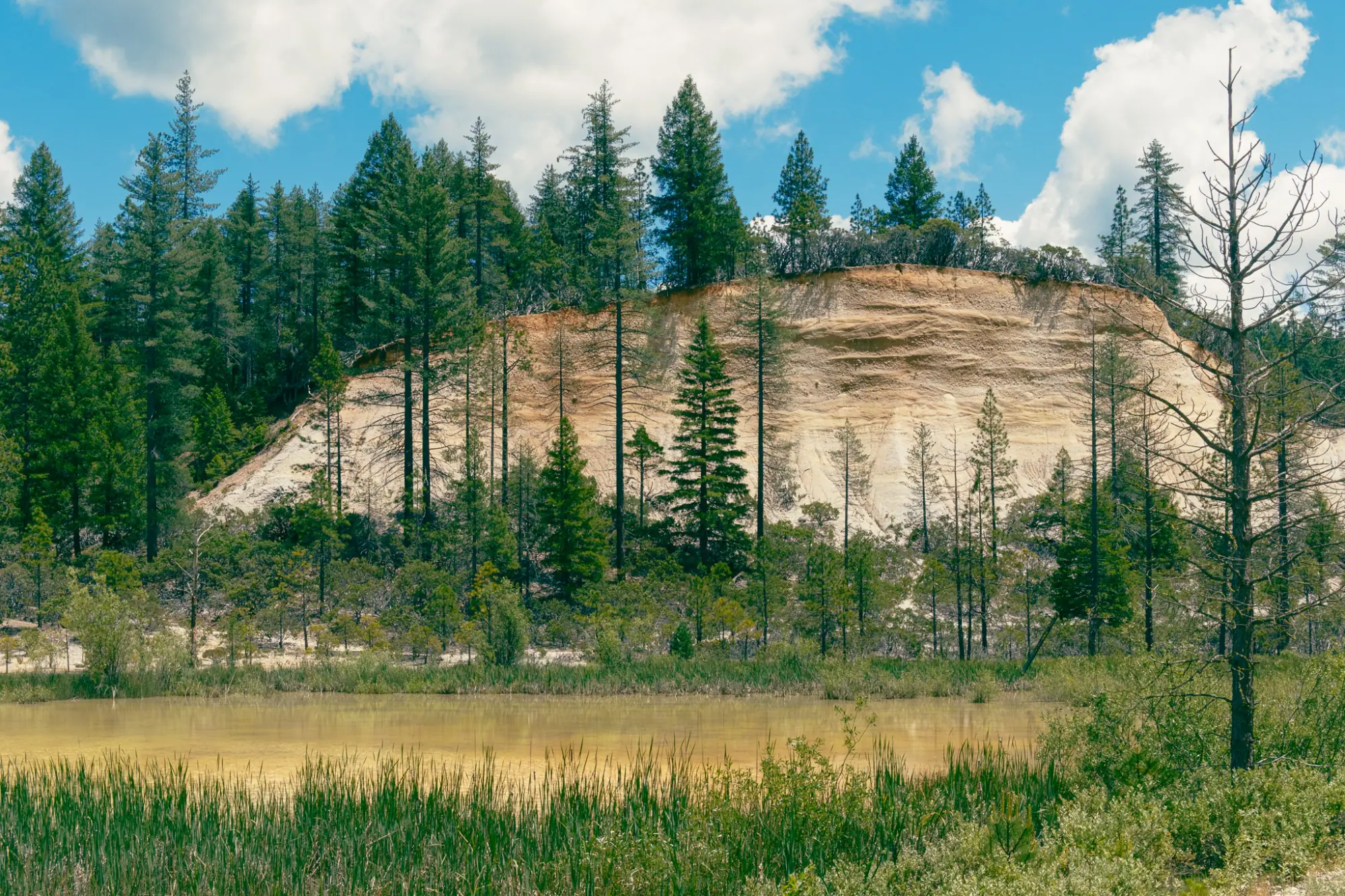
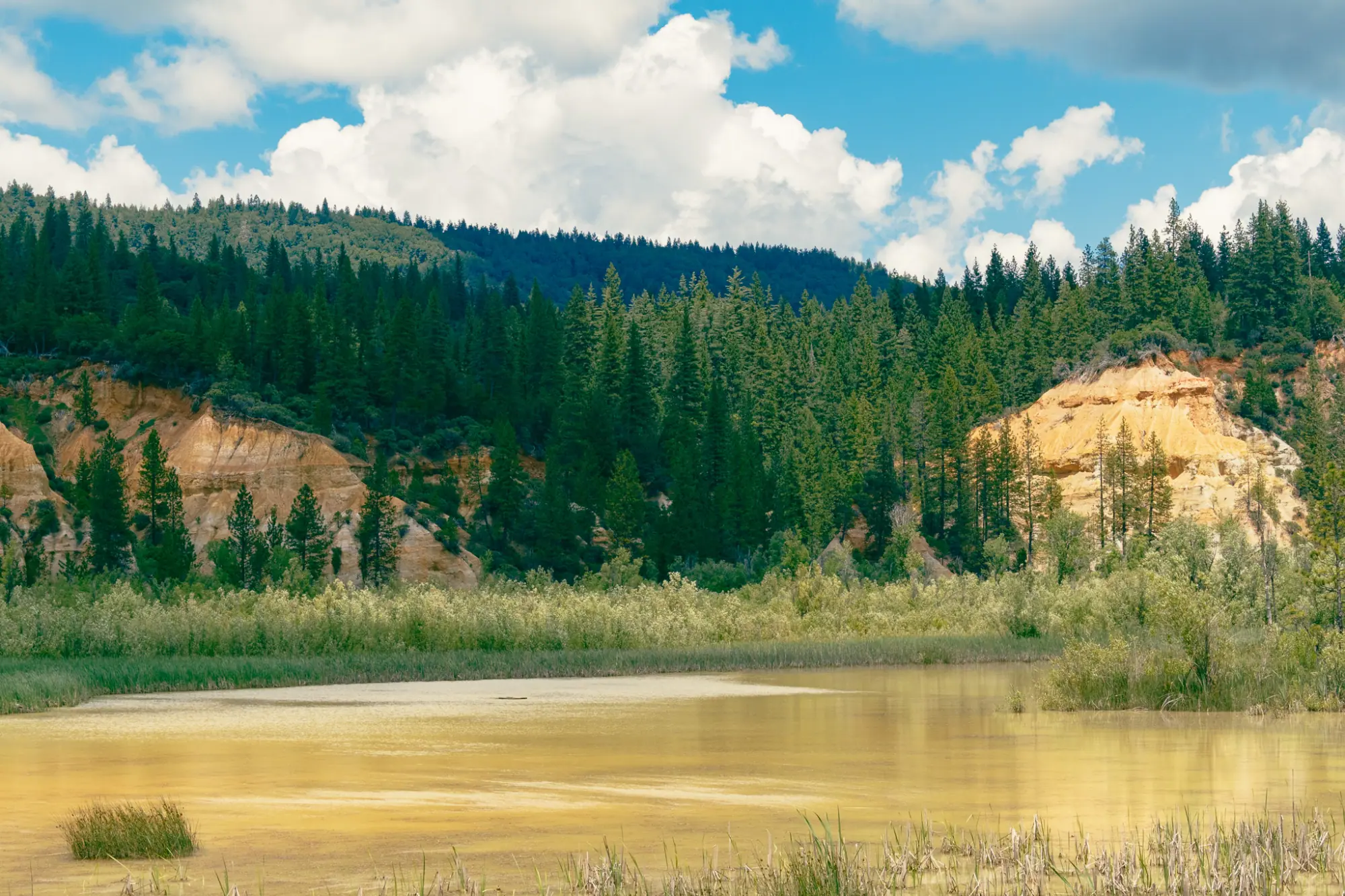
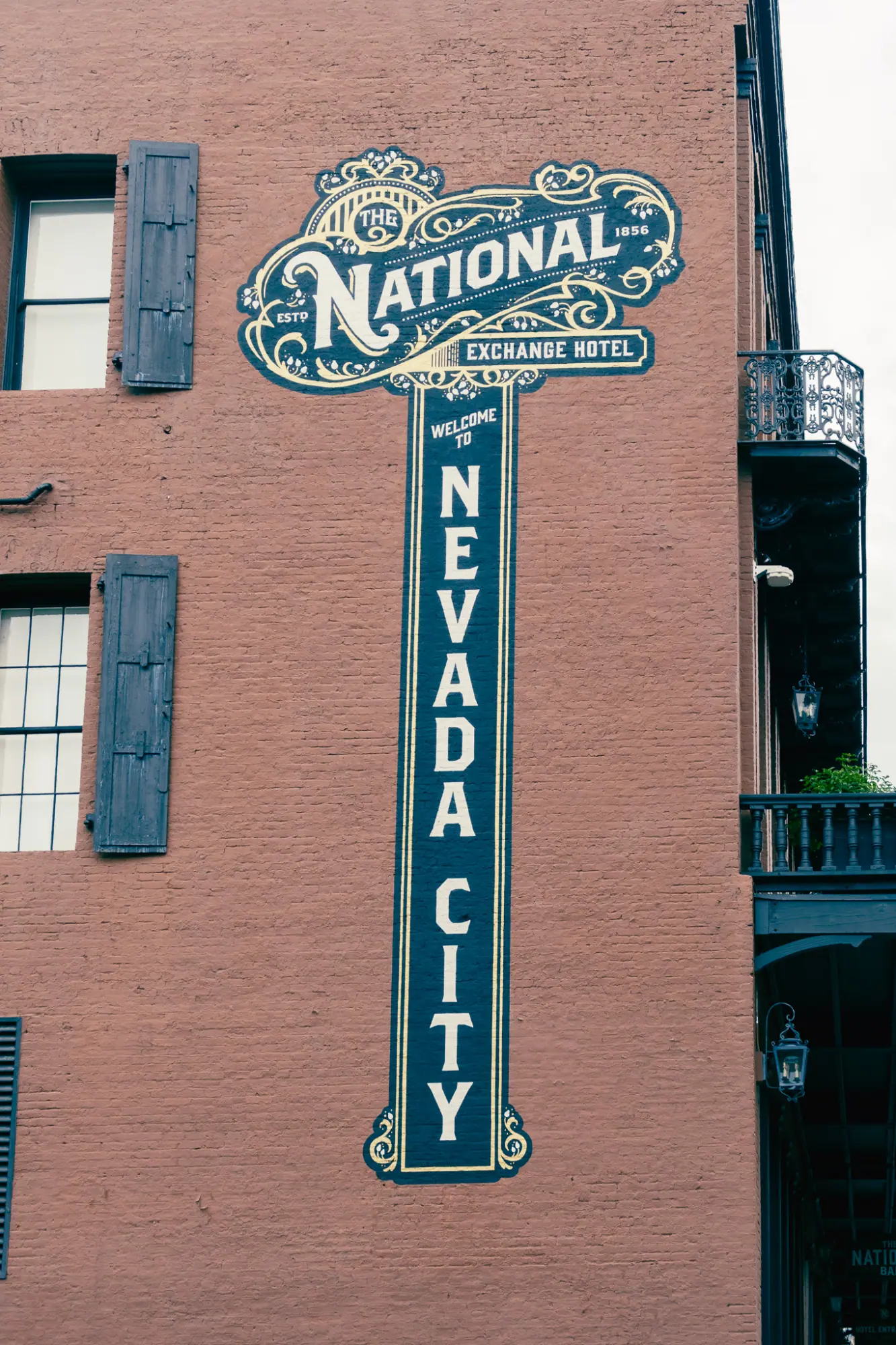
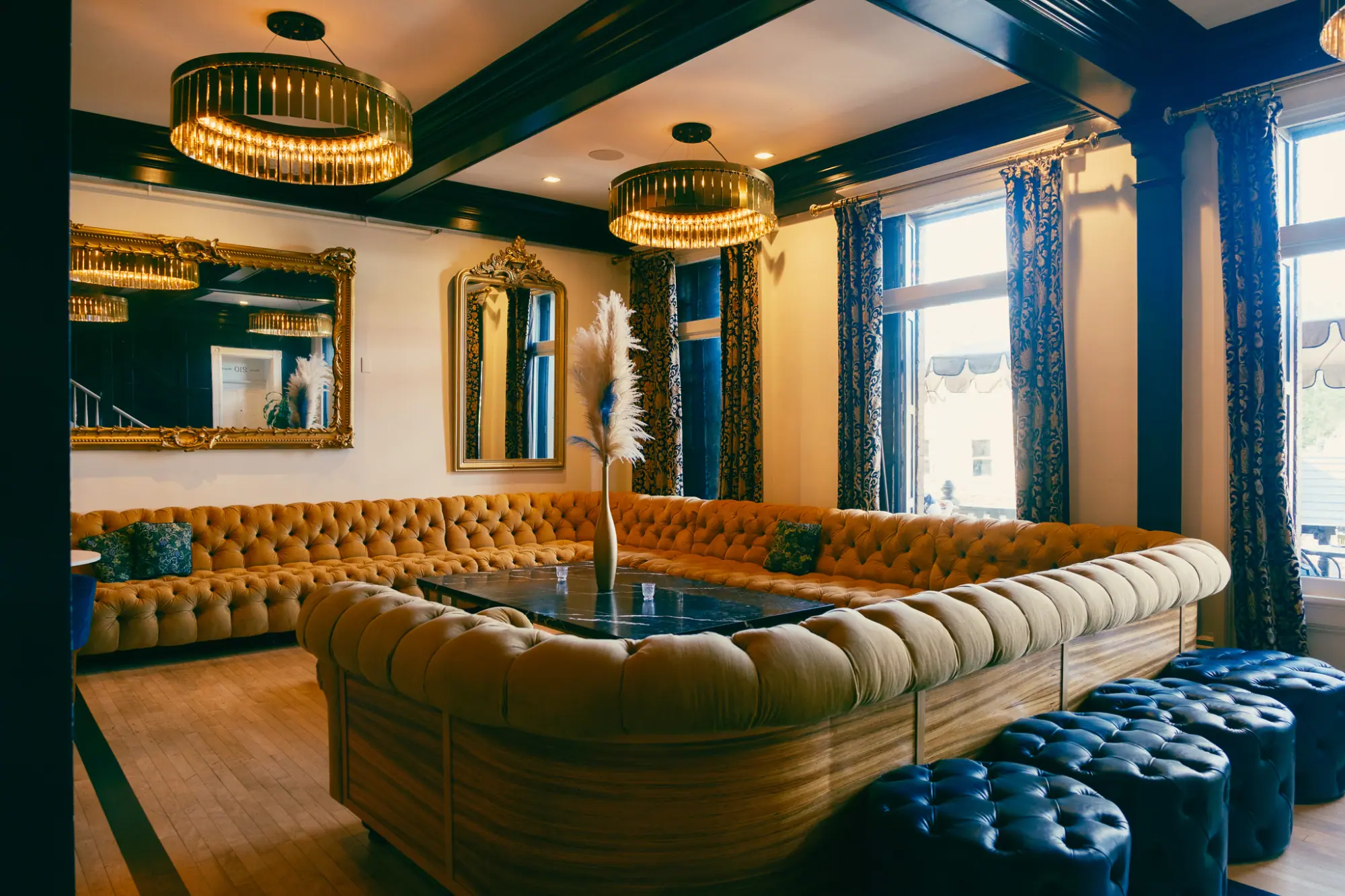
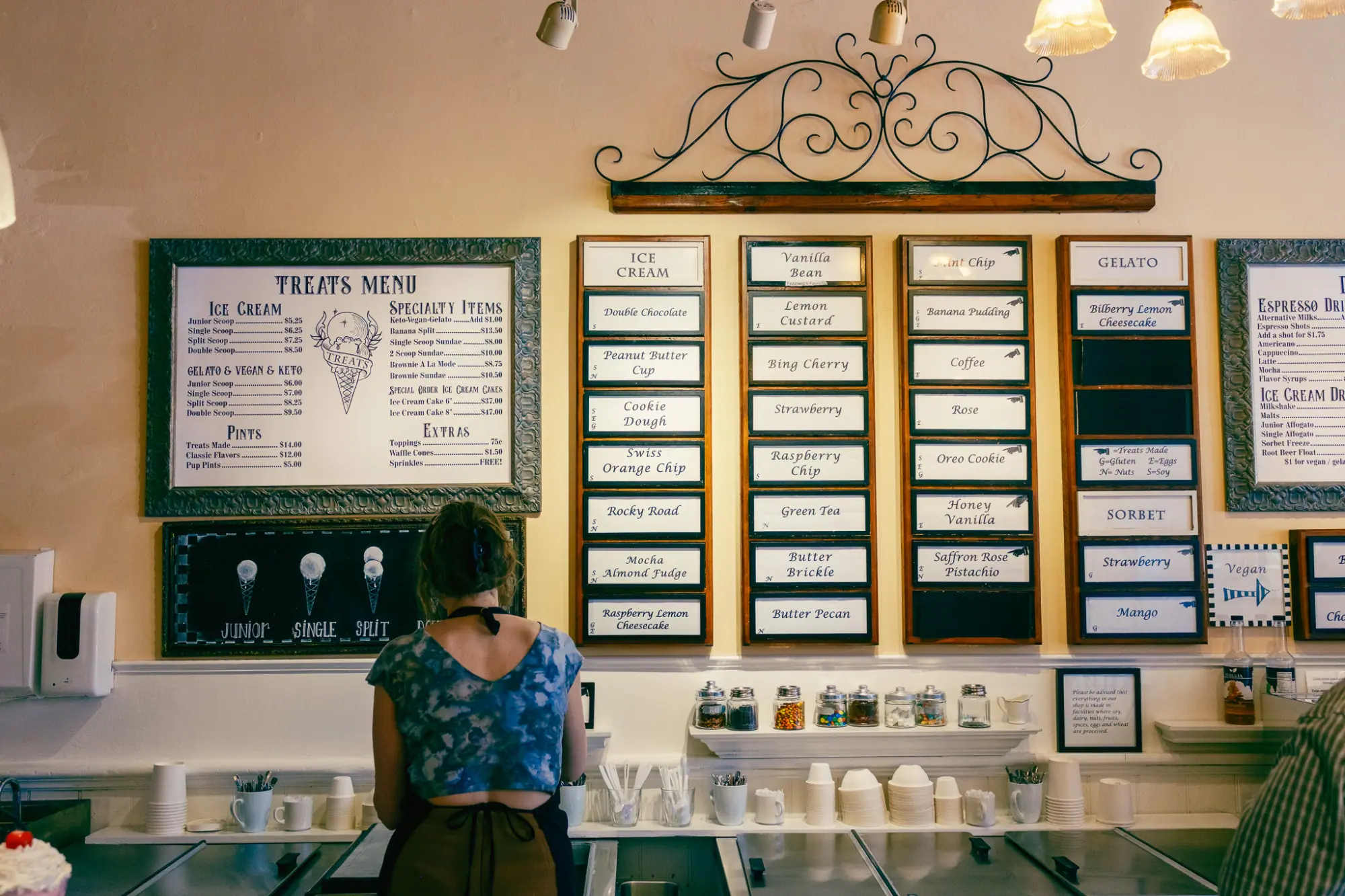
We headed back into Nevada City for one last walk around town. We stopped for ice cream at Treats, which hit the spot after a long, dusty afternoon at the Diggins, and took a peek inside the historic National Exchange Hotel, one of the oldest hotels in California, dating back to the 1850s. The lounge was beautiful, warm and moody with plenty of old-world character, the kind of room that makes you want to come back just to sit with a drink.

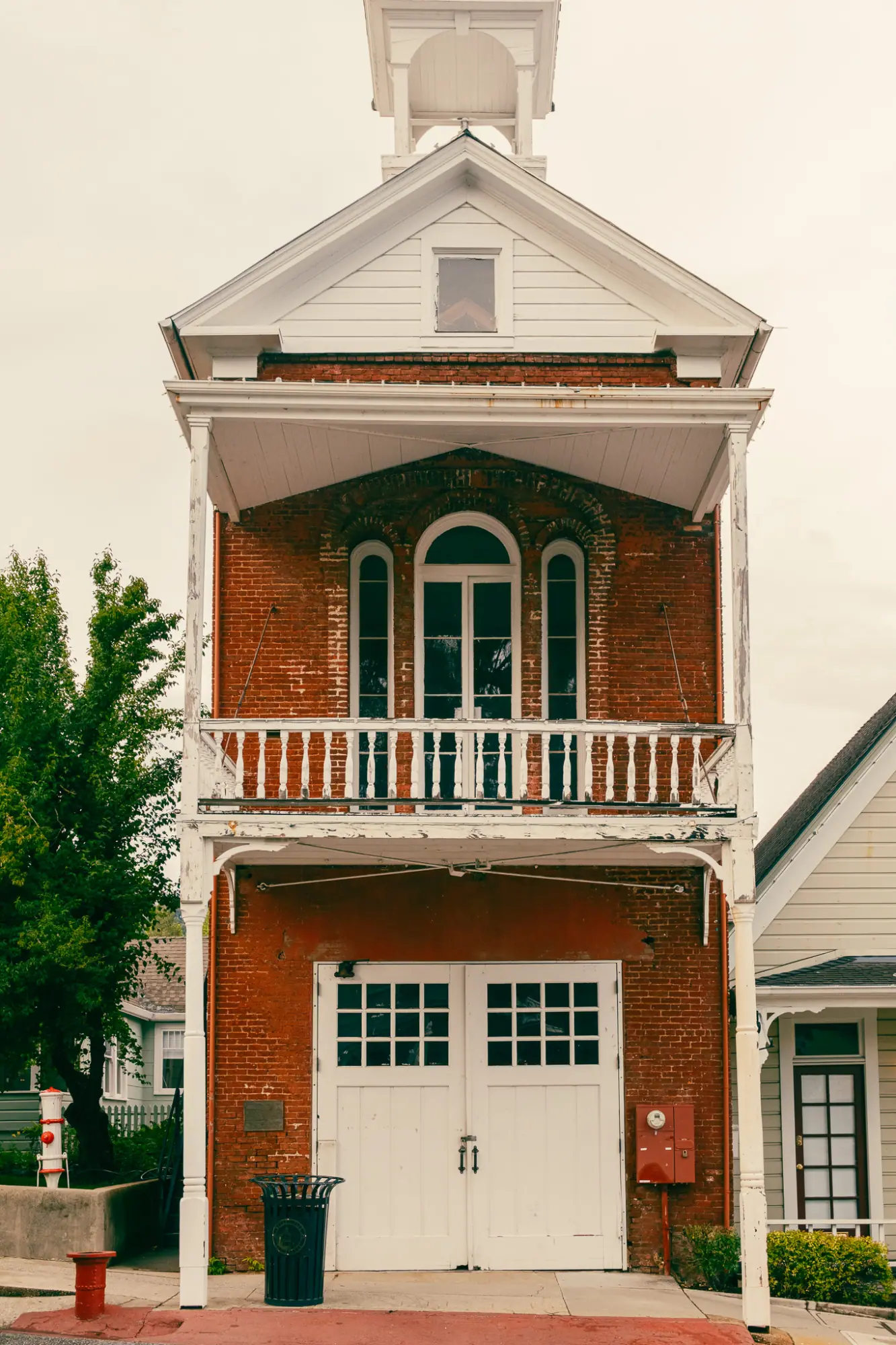
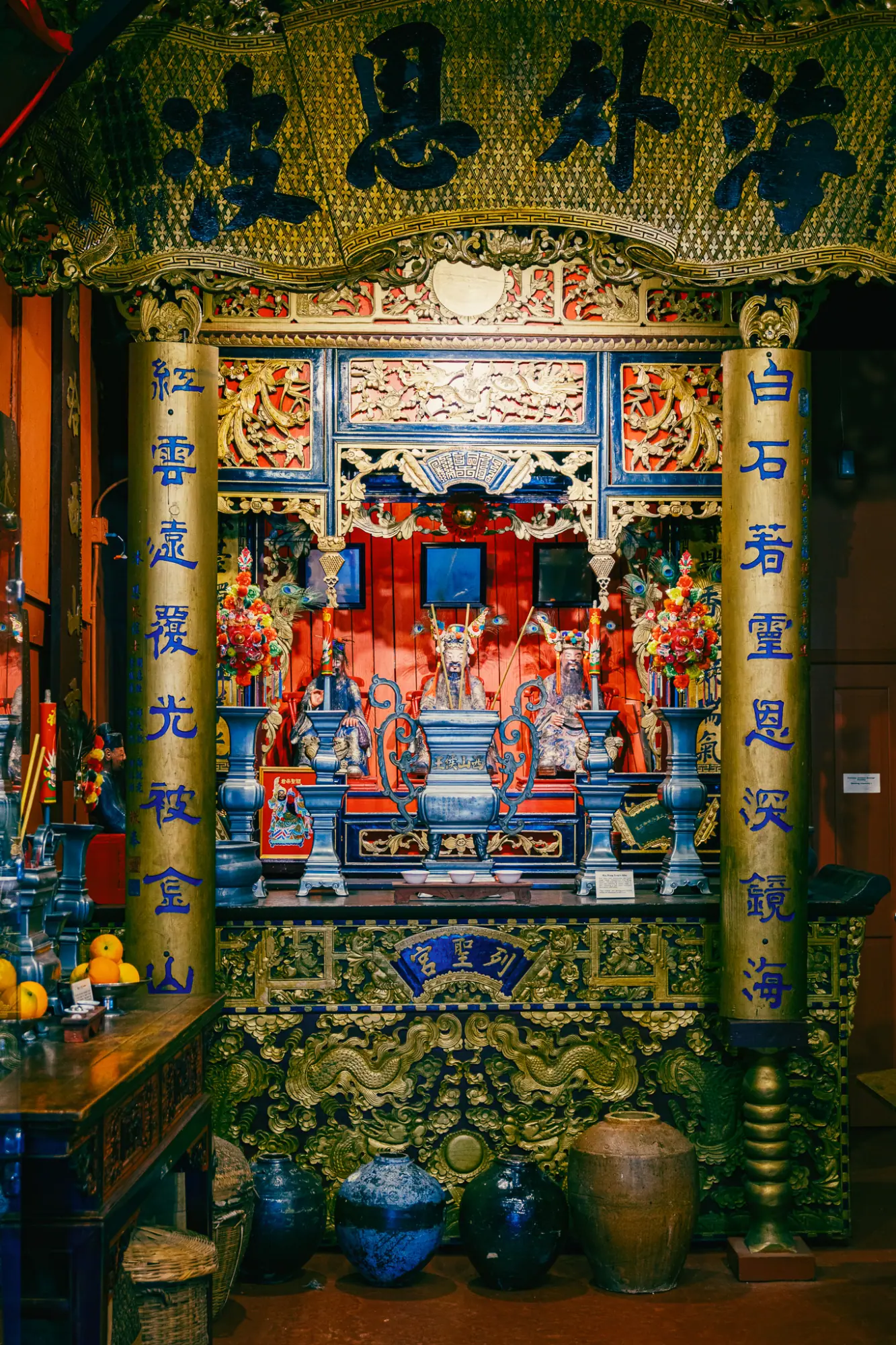
On our way through town, we wandered into the Firehouse Museum, where an exhibit on the Chinese residents who made Nevada City their home was on display. It covered their lives, their work, and the impact they had on the community. Coming across it on our last afternoon felt like the trip had come full circle, from that monument on our first evening to their stories on our last.
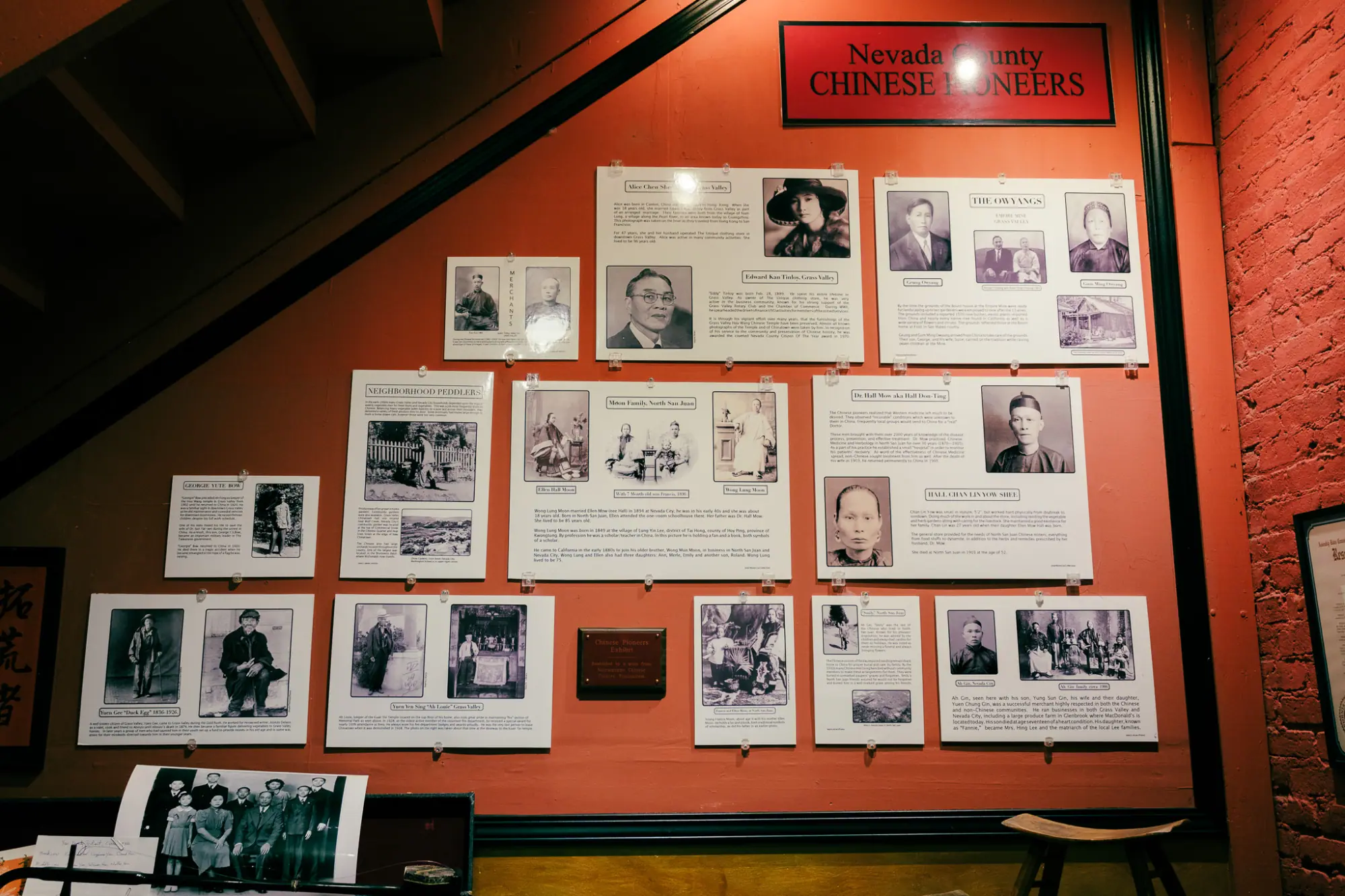
Nevada City is small, walkable, and packed with more history than you would expect from a town its size. What stayed with me most was not just the gold, but the people behind it: the miners underground, the families who built a community here, and the Chinese pioneers whose story is finally being told out loud. It was the kind of trip that left me knowing a little more about California, and a little more about where I come from.
If you are planning a trip to Nevada City, give yourself at least three days, plan around the Saturday farmers market, and leave room to wander. The best parts of this town are the ones you stumble into.
If You Go
Stay
- Broad Street Inn, Nevada City
Eat
- Speakeasy Communal Cafe
- Corvus Bakery, Grass Valley
- Treats
See
- Empire Mine State Historic Park
- Bridgeport Covered Bridge
- Malakoff Diggins
- Firehouse Museum